
 Abibirem
 Asia
Asia Yuropu
 Amerika Anaafoɔ
 Australia ne Oceania
 Antarctica
 Pacific Po
 Atlantic Po
 India Po
 Arctic Po
 Mediterranean Po
 Po Kɔkɔɔ
 Caribbean Po
 Coral Po
 China Anaafoɔ Po
 Philippine Po
 Andaman Po
 Atifi Po
 Timor ne Arafura Po
 Bengal Ɛpo Ano
 California Ɛpo Ano
Paulista wasp
 Ɛwɔ
ƐwɔThe Paulista wasp is a social wasp that lives in colonies of thousands of wasps. It is found in Brazil, Paraguay and Argentina. Scientists are studying its venom because some of its peptides (small protein-like molecules) may one day help treat cancer and epilepsy.1



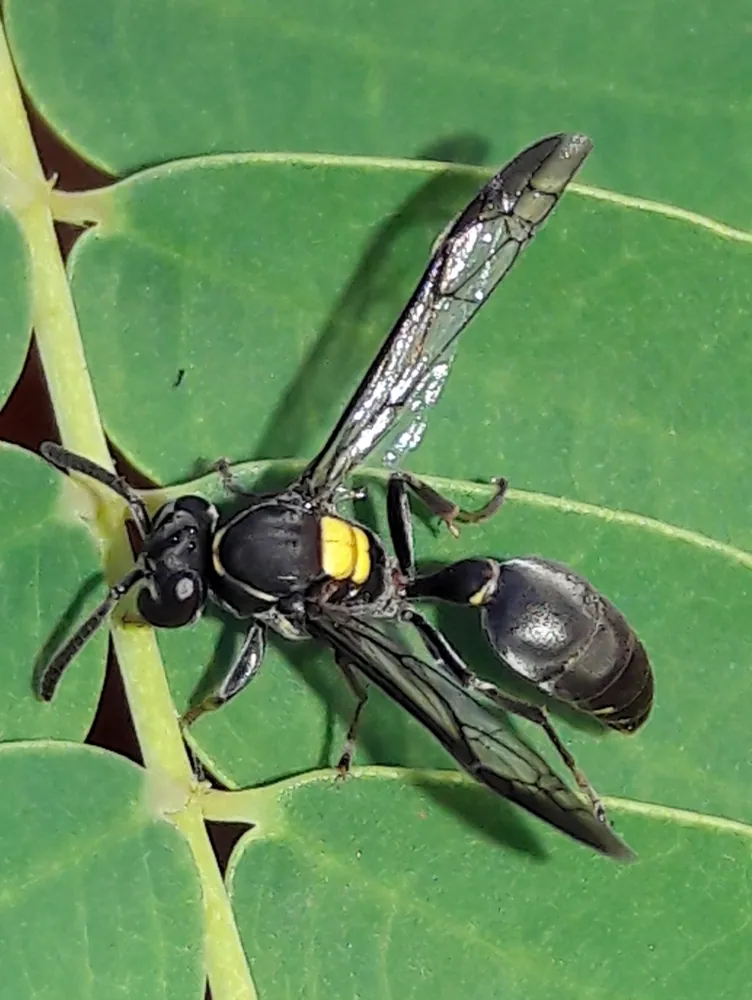
 Sɛdeɛ wobɛhunu no
- Lives in a colony with a division of labour between young, middle-aged and older wasps1
- Builds a nest with combs and envelopes, which are fixed to a surface1
- Forms a tight cluster of wasps on the outside of a new nest while the inside has little room1
- Found in tropical areas of Brazil, Paraguay and Argentina1
Bɔre ahoɔden
Bɔre fi ne dua ano nsɔe (stinger) mu ba.
Ne bɔre yɛ dɛn?
The venom contains several peptides. These cause pain, swelling (oedema) and haemolysis, which means they break down red blood cells. They also trigger an inflammatory response, which causes physical discomfort.1
Ne asiane ma nnipa te sɛn?
Asiane ma nnipa: Ɛyɛ yawƐtumi yɛ yaw paa, nanso ɛkame ayɛ sɛ ɛnyɛ asiane kɛseɛ da.Ɛyɛ dɛn bere a ehu aka no?
Wasps use venom to defend themselves and their colony against predators, and workers defend the nest.1
 Sɛ ɛwɔ a
- Fa biribi twitwiw wowa no dua (stinger) no fi mu, na dwo baabi no.
- Sɛ onipa no ntumi nhome yie, n'anim anaa ne mene mu hono, anaa ɛyɛ no sɛ ɔrebɛtɔ piti a, ɛyɛ allergy ahohiahia: frɛ wo ahohiahia nɔma na fa n'adrenaline pen (auto-injector) wɔ no sɛ ɔwɔ bi a.
Di kan frɛ wo ahohiahia nɔma (112, 000, 911). Yei yɛ mmoa a ɛdi kan ho akwankyerɛ, ɛnyɛ dɔkota afotuo. Mmoa a ɛdi kan ho nsɛm titiriw
 Hwɛ wo ho so
- Mfa wo nsa nka wiram aboa biara, nkyere no na mfa no nni agorɔ, sɛ ɔyɛ ketewa mpo, na sɛ ɛte sɛ ɔrededa anaa wawu mpo a.
- Ma no kwan. Sɛ wohyia baako a, ma wo bo nnwo, san w'akyi brɛoo na ma ɔnkɔ ne kwan.
- Sɛ baako wɔ wo a: ma wo bo nnwo, tena dinn, frɛ wo ahohiahia nɔma (112, 000, 911) anaa kɔ ayaresabea ntɛm. Kae sɛdeɛ na ɛte, mfonini bɛboa.
Ɛnhwehwɛ wo sɛ ɛbɛpira wo. Ɛde ne bɔre kyere aduane anaa ɛbɔ ne ho ban, na ɛpɛ sɛ ɛhinta sene biribiara. Nsɛm pii fa ahobammɔ ho
Wiase mu baabi bɛn?
Ne kɛseɛ te sɛn?
Ne tenten te sɛn?
 ɛyɛ ketewa araa sɛ ɛbɛtumi atena wo nsateaa ano
 ɛbɛtumi atu atwa bɔɔlobɔ agodibea mu nyinaa wɔ anibu 17 mu
Paulista wasp kɛseɛ te sɛn sɛ wode toto WO ho a?
Akontabuo kɛkɛ wɔ wo browser mu. Wɔnkora hwee, na wɔmfa hwee nkɔ baabiara.
Ne ntɛm te sɛn?


Nsɛm
A peptide in the venom, called Polybia-MP1, kills cancer cells while leaving healthy cells intact, according to research so far. Further studies are needed to confirm it is safe as a chemotherapy drug.1
The venom contains mastoparan, which has been shown to inhibit the parasite Trypanosoma cruzi, the cause of Chagas disease.1
Workers cool the nest by fanning their wings and spreading water on the combs, so the water evaporates and lowers the temperature.1
Colonies can contain from 10 to 94 queens, because young queens are constantly recruited.1
A colony can hold about 4,500 wasps during its early stage, and up to 13,000 wasps while males are being produced.1
Ma bɔre ho animdefoɔ
Baabi a nsɛm no fi
- Polybia paulista (Wikipedia (CC BY-SA 4.0))
- Polybia paulista (iNaturalist): din ne nkyekyɛmu.
- Venom Wiki: asiane gyinabea, kɛseɛ a ɛtaa yɛ ne ntɛm susuo no yɛ yɛn ankasa deɛ. Hwɛ sɛdeɛ yɛbu no: Sɛdeɛ yɛkyerɛ asiane gyinabea.
Nsɛm biara a ɛwɔ kratafa yi so wɔ nɔma a ɛkyerɛ ne fibea. Sɛ yɛfom biribi a, kafra, yɛyɛ mmoa ho akɔnnɔfoɔ, ɛnyɛ nyansahu nwoma. Ka kyerɛ yɛn wɔ [email protected] na yɛbɛsiesie.
 Ɔkɔm de akekantwerɛ no! Onipa baako na ɔyɛ Venom Wiki: ɛyɛ kwa, dawurubɔ nni so na biribiara nni so a ɛdi w'akyi. Akyɛdeɛ ketewa bi boa ma ɛkɔ so tena internet so.Ma akekantwere no aduane
Pii fi kuo korɔ no mu: Wowa, kotokurodu ne kotokurodu akɛseɛ
 Tarantula hawkWowa, kotokurodu ne kotokurodu akɛseɛƐyɛ yaw kɛkɛ
 Executioner waspWowa, kotokurodu ne kotokurodu akɛseɛƐhia dɔkota
 Warrior waspWowa, kotokurodu ne kotokurodu akɛseɛƐhia dɔkota
 Armadillo waspWowa, kotokurodu ne kotokurodu akɛseɛƐhia dɔkota
 Giant tarantula hawkWowa, kotokurodu ne kotokurodu akɛseɛƐyɛ yaw kɛkɛ
 Red paper waspWowa, kotokurodu ne kotokurodu akɛseɛƐyɛ yaw kɛkɛ
 Golden poison frog
 Terciopelo
 Brazilian wandering spider
 Eyelash viper
 Golden lancehead
 South American bushmaster