
 Bitten or stung?
 All animals
 Pick a continent
 Africa
 Asia
 Europe
 South America
 Australia & Oceania
 Antarctica
 Pacific Ocean
 Atlantic Ocean
 Indian Ocean
 Arctic Ocean
 Mediterranean Sea
 Red Sea
 Caribbean Sea
 Coral Sea
 South China Sea
 Philippine Sea
 Andaman Sea
 North Sea
 Timor & Arafura Sea
 Bay of Bengal
 Gulf of California
 Games
 Venom battle
 Animal race
 Field notebook
 Venom TOP lists
 Stay safe
 Surprise me

Chinese red-headed centipede
 Bites
The Chinese red-headed centipede is one of the largest centipedes in the world. It lives across much of southeastern Asia and on many islands and continents, often through human introduction. It is an active hunter with a venomous bite, so it is best seen from a safe distance.1
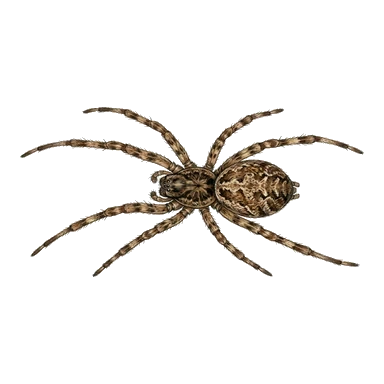
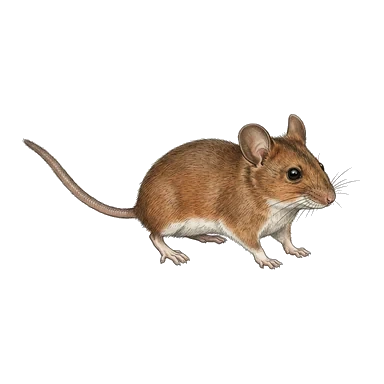
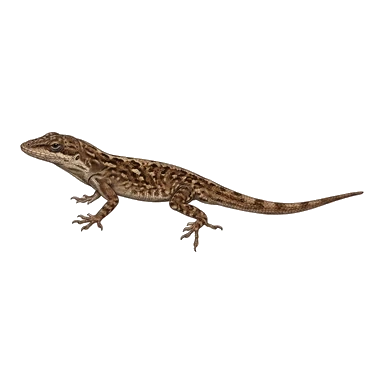
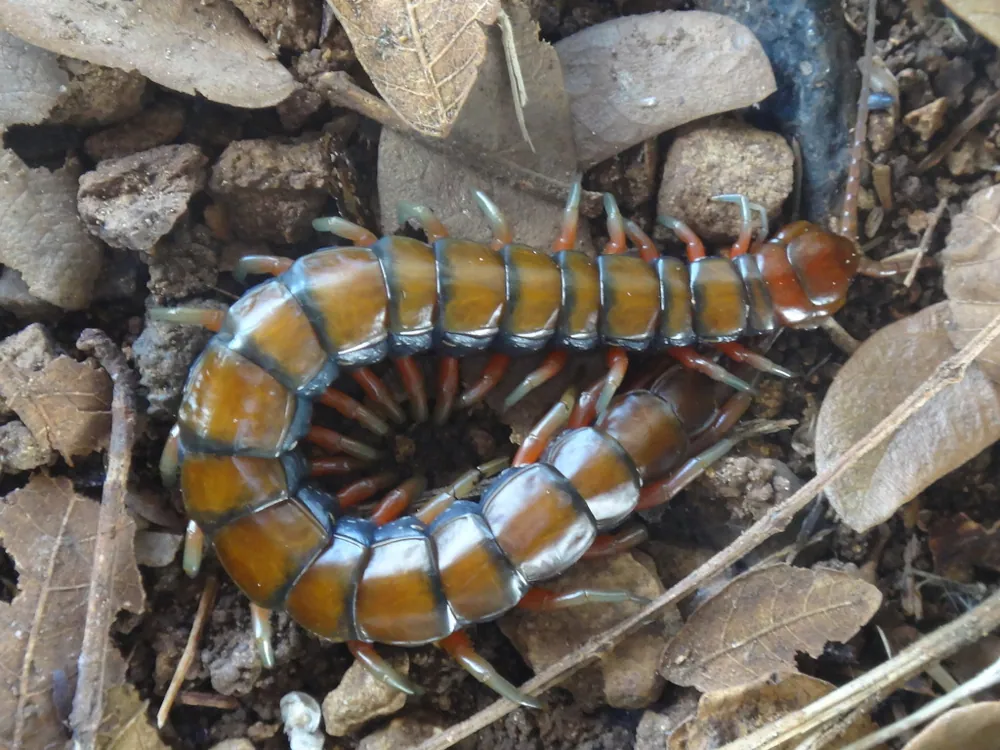
 How to recognise it
Venom power
Venom goes in through two fang-like front legs under the head, not through teeth.
What does its venom do?
Its venom normally causes extreme pain, among other symptoms. A fatal case was reported in the Philippines, where a 7-year-old girl was bitten on the head and died 29 hours later.1
How dangerous is it to people?
Danger to people: SeriousA bite needs a doctor. Deaths are very rare.Its bite causes extreme pain, and a child has died after being bitten in the Philippines.1
What does it do when it is scared?
It is aggressive and nervous, ready to strike if disturbed, and when defending itself it coils its whole body around the attacker while using its toxicognaths.1
 If it bites
Always call your emergency number first (for example 112 in Europe, 911 in North America, 000 in Australia).
- Wash the bite with soap and water. Soaking it in hot water or using a cold pack can ease the pain. See a doctor if a child is bitten, or if pain, swelling or feeling unwell gets worse.1
- Wash the bite, cool it or soak it in warm water for the pain, and get medical help if it gets worse.
This is general first aid guidance, not medical advice. Based on the first aid guidelines of the World Health Organization and the Australian Resuscitation Council. Facts come from public sources and may contain mistakes. When in doubt, always get medical help. First aid basics
 Stay safe
- Never touch, catch or tease a wild animal, even a small one, and even if it looks asleep or dead.
- Give it space. If you meet one, stay calm, step back slowly and let it go its own way.
- If one bites you: stay calm, keep still, call your emergency number (for example 112 in Europe, 911 in North America, 000 in Australia) or get to a hospital fast. Remember what it looked like, a photo helps.
It is not out to get you. It uses its venom to catch food or to protect itself, and it would much rather hide. More about staying safe
Where in the world?
How big is it?
How long is it?
 as long as 2.5 bank cards end to end
 could cover 100 metres in 190 seconds (the fastest human needs 9.6)
How big is Chinese red-headed centipede compared to you?
Just maths in your browser. Nothing is saved or sent anywhere.
How fast is it?


Facts
It is among the largest centipedes in the world, with a normal maximum length of 20 cm.1
The centipede was a traditional food source for Aboriginal Australians.1
Adults molt once every year and may live for 10 years or more.1
It is a popular pet among arthropod hobbyists.1
Young centipedes molt once a year and take 3 to 4 years to reach full adult size.1
For venom experts
- Scientific name
- Scolopendra subspinipes
- Group
- Centipedes
- Also called
- black flame centipede, Hawaiian centipede, jungle centipede1
- Family
- Scolopendridae2
- Order
- Scolopendromorpha
- Continents
- Asia
- Babies
- The female lays 50 to 80 eggs in a dark, protected place, guards them until they hatch, and wraps around her young if danger is detected.1
- Lifespan
- about 10 years1
- Danger to people
- 3 / 5: Serious3
Where the facts come from
- Scolopendra subspinipes (Wikipedia (CC BY-SA 4.0))
- Scolopendra subspinipes (iNaturalist): names and classification.
- Venom Wiki: the danger level, the typical size and the speed guess are our own. See how we work them out: How we rate danger.
Every fact on this page has a number that points to its source. If we got something wrong, sorry, we are animal fans, not a science journal. Tell us at [email protected] and we will fix it.
Get the Venom Wiki app
Every creature, every picture and the games in your pocket, even without internet.


 Support Venom Wiki Venom Wiki is a one-man project: free, with no ads and no cookies. A small tip helps keep it online.Feed the scorpion
 Giant Australian centipede
 Mediterranean banded centipede
 House centipede
 Vietnamese giant centipede
 Indian tiger centipede
 Japanese giant centipede
 Indian cobra
 Indian saw-scaled viper
 King cobra
 Puff adder
 Russell's viper
 Asian giant hornet