
 Bitten or stung?
 All animals
 Pick a continent
 Africa
 Asia
 Europe
 South America
 Australia & Oceania
 Antarctica
 Pacific Ocean
 Atlantic Ocean
 Indian Ocean
 Arctic Ocean
 Mediterranean Sea
 Red Sea
 Caribbean Sea
 Coral Sea
 South China Sea
 Philippine Sea
 Andaman Sea
 North Sea
 Timor & Arafura Sea
 Bay of Bengal
 Gulf of California
 Games
 Venom battle
 Animal race
 Field notebook
 Venom TOP lists
 Stay safe
 Surprise me

Little devil poison frog
 Poison in its skin
The little devil poison frog is a small, brightly coloured frog that lives in the rainforests of Colombia and Ecuador. It is common in parts of Colombia, but it has disappeared from much of its range in Ecuador. Its bright colours warn predators that its skin is toxic.1
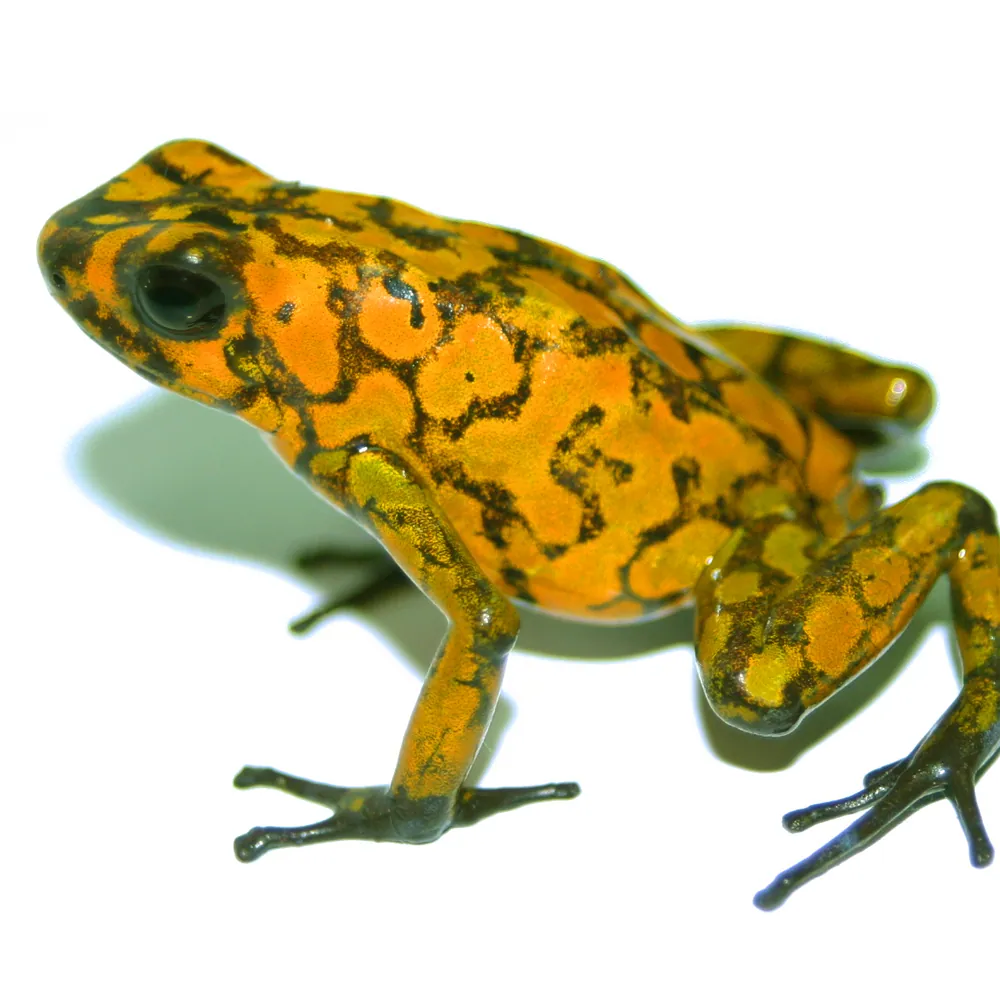
 How to recognise it
Poison power
Its skin is poisonous. It is dangerous to touch, lick or eat.
What does its poison do?
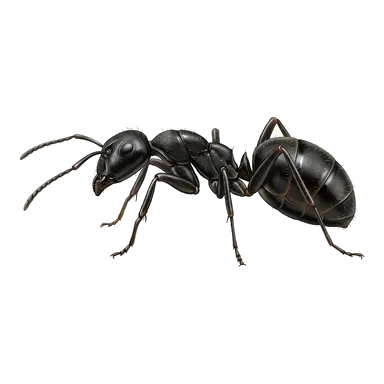
This frog is poisonous rather than venomous. Its skin contains toxic alkaloids, which it gets from the ants and mites it eats and then stores in its skin. These toxins act as a defence against predators.1
How dangerous is it to people?
Danger to people: PainfulIt can really hurt, but it is almost never serious.What does it do when it is scared?
Its bright, warning colours tell predators that its skin is unpalatable, and it is toxic if attacked.1
 If someone touched or ate it
Call your emergency number at once if the person has trouble breathing, swelling of the face or throat, or feels faint.
- If someone touched one: wash the hands well and do not touch the eyes or mouth. If a child or pet licked or ate one: call your poison centre or emergency number.
This is general first aid guidance, not medical advice. Based on the first aid guidelines of the World Health Organization and the Australian Resuscitation Council. Facts come from public sources and may contain mistakes. When in doubt, always get medical help. First aid basics
 Stay safe
- Never touch, catch or tease a wild animal, even a small one, and even if it looks asleep or dead.
- Give it space. If you meet one, stay calm, step back slowly and let it go its own way.
- If you touched or ate it: do not rub your eyes or mouth, wash your hands and get medical help.
It is not out to get you. Its poison is only there so that nothing eats it. More about staying safe
Where in the world?
How big is it?
How long is it?
 about as long as a paper clip
 could cover 100 metres in 97 seconds (the fastest human needs 9.6)
How big is Little devil poison frog compared to you?
Just maths in your browser. Nothing is saved or sent anywhere.
How fast is it?


Facts
Its toxins come from its diet, so a frog living in cleared pastureland has fewer toxins than one living in rainforest, because it eats fewer kinds of ants, mites and termites.1
Females have much larger home ranges than males and can climb up to 10 metres, while males can only climb up to 2 metres.1
Because it lays its eggs on land, it lays fewer and larger eggs than frogs that lay their eggs in water, so each egg has more resources to survive.1
Its bright colours are a warning, which is called aposematic coloration.1
For venom experts
- Scientific name
- Oophaga sylvatica
- Group
- Poison frogs, toads & newts
- Also called
- Kiki poison dart frog, Little devil frog, Diablito1
- Family
- Dendrobatidae2
- Order
- Anura
- Continents
- South America
- Babies
- Males fertilise the eggs outside the body. The female lays 4 to 20 eggs in or near shallow pools on land, and the parents care for the eggs and tadpoles.1
- How it is doing in the wild
- Near Threatened1
- Danger to people
- 2 / 5: Painful3
Where the facts come from
- Oophaga sylvatica (Wikipedia (CC BY-SA 4.0))
- Oophaga sylvatica (iNaturalist): names and classification.
- Venom Wiki: the danger level, the typical size and the speed guess are our own. See how we work them out: How we rate danger.
Every fact on this page has a number that points to its source. If we got something wrong, sorry, we are animal fans, not a science journal. Tell us at [email protected] and we will fix it.
Get the Venom Wiki app
Every creature, every picture and the games in your pocket, even without internet.


 Support Venom Wiki Venom Wiki is a one-man project: free, with no ads and no cookies. A small tip helps keep it online.Feed the scorpion
More from the same group: Poison frogs, toads & newts
 Golden poison frogPoison frogs, toads & newtsDeadlyDo not touch
 Cane toadPoison frogs, toads & newtsNeeds a doctorDo not touch
 Dyeing poison dart frogPoison frogs, toads & newtsPainfulDo not touch
 Black-legged poison frogPoison frogs, toads & newtsCan killDo not touch
 Harlequin poison frogPoison frogs, toads & newtsNeeds a doctorDo not touch
 Bruno's casque-headed frogPoison frogs, toads & newtsPainfulDo not touch
 Terciopelo
 Brazilian wandering spider
 Golden lancehead
 South American bushmaster
 Eyelash viper
 Peruvian giant centipede
