
 Bitten or stung?
 All animals
 Pick a continent
 Africa
 Asia
 Europe
 South America
 Australia & Oceania
 Antarctica
 Pacific Ocean
 Atlantic Ocean
 Indian Ocean
 Arctic Ocean
 Mediterranean Sea
 Red Sea
 Caribbean Sea
 Coral Sea
 South China Sea
 Philippine Sea
 Andaman Sea
 North Sea
 Timor & Arafura Sea
 Bay of Bengal
 Gulf of California
 Games
 Venom battle
 Animal race
 Field notebook
 Venom TOP lists
 Stay safe
 Surprise me

Yellowtail moth of the mangroves
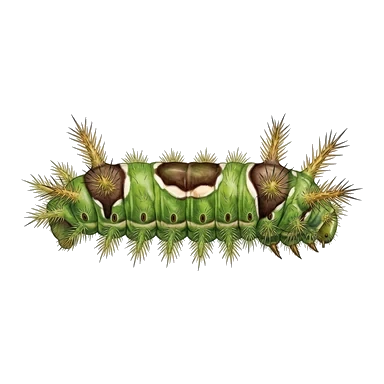 Stinging hairs
The yellowtail moth, also called the ashen moth, is a moth from northeastern South America. Its hairs can cause a skin rash and itching in people who touch them or breathe them in. It matters because the moths can reach towns, where they gather around lights.1
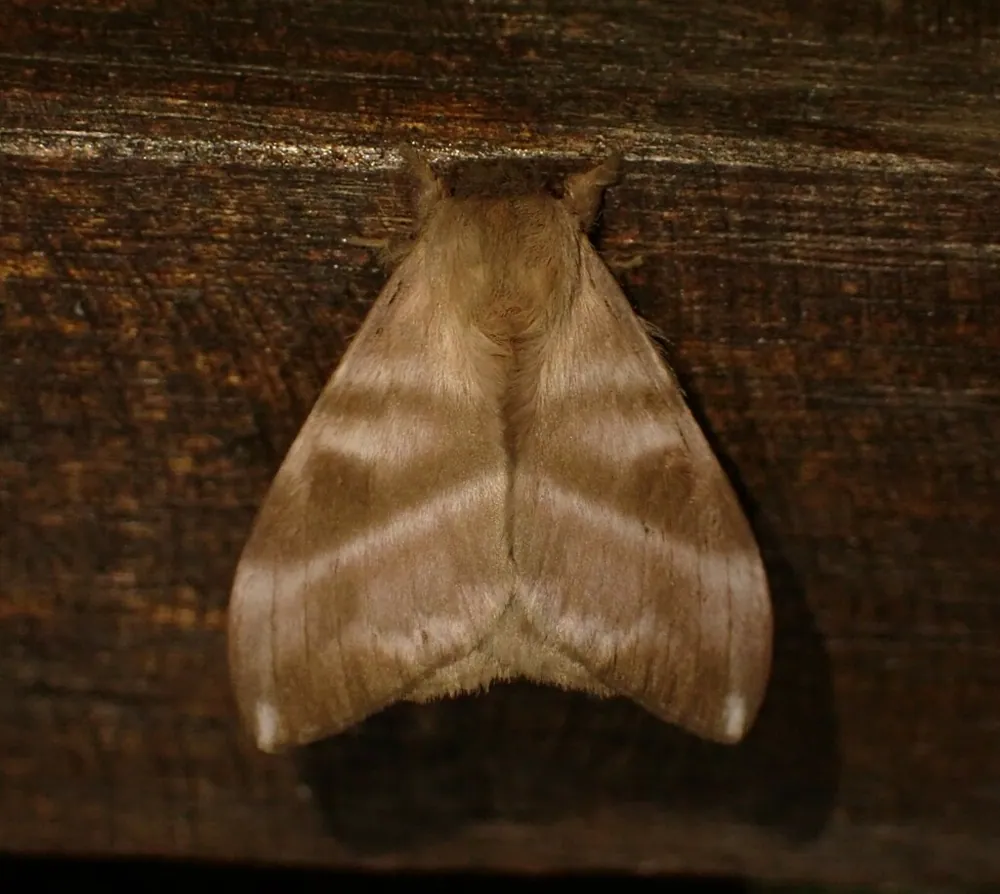
 How to recognise it
Venom power
Tiny hairs or bristles break off in the skin and sting.
How dangerous is it to people?
Danger to people: PainfulIt can really hurt, but it is almost never serious.Contact with the hairs of adult females causes Caripito itch, a skin condition. The hairs can also be carried into the air when moths swarm near towns, causing severe hives and dermatitis with small blisters.1
What does it do when it is scared?
Females use their irritating hairs to protect their egg masses from predators such as ants.1
 If you touch its hairs
Call your emergency number at once if the person has trouble breathing, swelling of the face or throat, or feels faint.
- For stinging caterpillar hairs: lift them off with sticky tape, then wash the skin. Do not rub.
This is general first aid guidance, not medical advice. Based on the first aid guidelines of the World Health Organization and the Australian Resuscitation Council. Facts come from public sources and may contain mistakes. When in doubt, always get medical help. First aid basics
 Stay safe
- Never touch, catch or tease a wild animal, even a small one, and even if it looks asleep or dead.
- Give it space. If you meet one, stay calm, step back slowly and let it go its own way.
- If it hurts you: wash the spot, stay calm and get medical help if the pain is strong or spreads, or the person feels unwell.
It is not out to get you. It uses its venom to catch food or to protect itself, and it would much rather hide. More about staying safe
Where in the world?
How big is it?
How long is it?
 about as long as a paper clip
 slower than a garden snail
How big is Yellowtail moth of the mangroves compared to you?
Just maths in your browser. Nothing is saved or sent anywhere.
How fast is it?

Facts
Where the facts come from
- Yellowtail moth (Wikipedia (CC BY-SA 4.0))
- Hylesia metabus (iNaturalist): names and classification.
- Venom Wiki: the danger level, the typical size and the speed guess are our own. See how we work them out: How we rate danger.
Every fact on this page has a number that points to its source. If we got something wrong, sorry, we are animal fans, not a science journal. Tell us at [email protected] and we will fix it.
Get the Venom Wiki app
Every creature, every picture and the games in your pocket, even without internet.


 Support Venom Wiki Venom Wiki is a one-man project: free, with no ads and no cookies. A small tip helps keep it online.Feed the scorpion
More from the same group: Caterpillars & bugs
 Giant silkworm moth caterpillarCaterpillars & bugsCan killDo not touch
 Vinchuca kissing bugCaterpillars & bugsNeeds a doctor
 Venezuelan fire caterpillarCaterpillars & bugsCan killDo not touch
 Pararama caterpillarCaterpillars & bugsNeeds a doctorDo not touch
 Rhodnius kissing bugCaterpillars & bugsNeeds a doctor
 House pseudoscorpionCaterpillars & bugsMild
 Golden poison frog
 Terciopelo
 Brazilian wandering spider
 Golden lancehead
 South American bushmaster
 Cane toad