
 Afirik
 Aazi
Aazi Orop
Orop Amerik Sud
 Ostarali e Oseyani
 Antarktik
 Geeci Pasifik
 Geeci Atlantik
 Geeci Enndo
 Geeci Arktik
 Geeci Mediteraane
 Geeci Boɗeewi
 Geeci Karayib
 Geeci Korayl
 Geeci Siin Sud
 Geeci Filipiin
 Geeci Andaman
 Geeci Nord
 Geeci Timor e Arafura
 Gulf Bengal
 Gulf Kaliforni
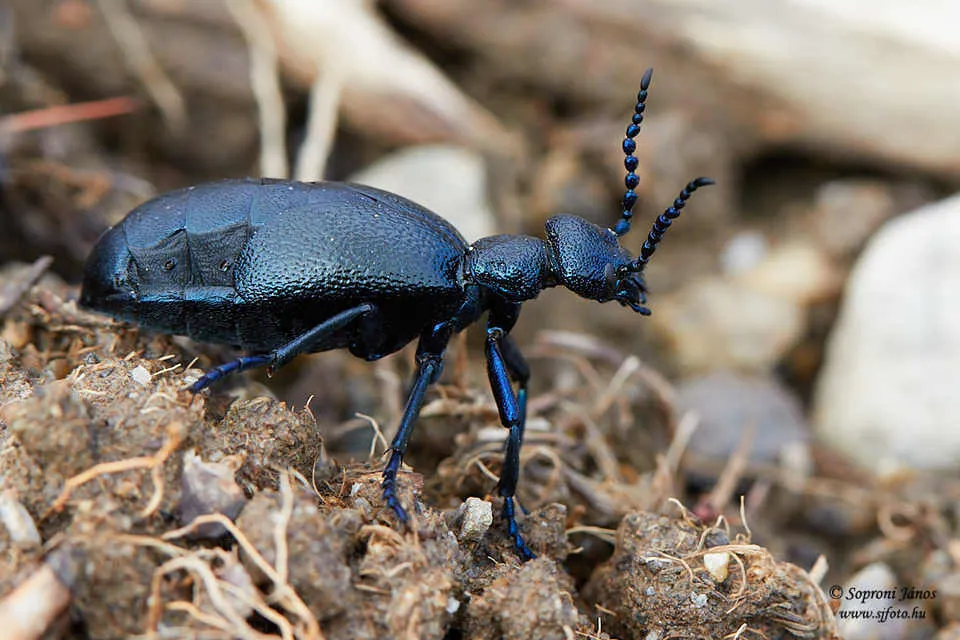
Black oil beetle
 Tooke nder nguru mum
The black oil beetle is a European beetle with an unusual life. It lives in meadows, field edges and other warm places in most of the continent, except the far north. Its young get a ride to a bee's nest, where they feed on the bee's eggs and food stores.1



 Hono anndirtee ngal
Doole tooke
Nguru mum ko tooke. No musiiba meemugol ngal, meemugol ngal e ɗemngal walla ñaamugol ngal.
Hono musiiba mum heewiri e yimɓe?
Musiiba e yimɓe: MuusɗoNo waawi muusugol sanne, kono ko ɓadii kala tuma ɗum wonataa musiiba mawɗo. Si neɗɗo meemii walla ñaamii ngal
- Si neɗɗo ñaamii ngal walla no jogii maandeeji caggal ñaamugol ngal: noddu nimero ballal walla centre antipoison jooni jooni.
Adii fow noddu nimero ballal (112, 000, 911). Ɗum ko anndinal ballal adiingal, wanaa saaraangal doktoro. Ko adii nder ballal adiingal
 Reen hoore maa
- Wota a meem, wota a nanngu, wota a jalnu kullal ladde haa abada, hay si ko tokooso, hay si no yi'ee no ɗaanii walla maayii.
- Accu ngal nokku. Si a fotti e ngal, deeƴu, ruttu ɓaawo seeɗa seeɗa, accu ngal yaha laawol mum.
- Si a meemii walla a ñaamii ngal: wota a moomtu gite maa walla hunuko maa, loot juuɗe maa, heɓu ballal doktoro.
Ngal faalaaka gaañugol ma. Tooke mum woodi tun ngam wota huunde ñaam ngal. Ko ɓeydi fii reenugol hoore maa
Hoto nder aduna?
Hono mawniri?
Hono juutiri?
 juuti no ñippirde kayitaaje
Hono Black oil beetle mawniri, si fooɗondiraama e AN?
Ko limoore tun nder navigateur maa. Alaa ko danndetee walla ko neldetee ka nokku woo.
Hono yaawiri?


Humpito
The larvae can attract bees without a flower by producing a flowery scent, even when they are outside a flower.1
The larvae use well-developed claws to attach themselves to a visiting bee and travel back to its nest.1
Inside the bee's nest, the larva eats the bee's eggs and the pollen and nectar the bee has stored.1
The author Gerald Durrell describes this beetle's life cycle in detail in his autobiographical book My Family and Other Animals.1
After it leaves the bee's nest as an adult, it seeks a mate straight away.1
Ngam ganduɓe tooke
- Innde ganndal
- Meloe proscarabaeus
- Fedde
- Kulle goɗɗe tookeeje ɓanndu
- Ɓesngu
- Meloidae2
- Ordre
- Coleoptera
- Leyɗe mawɗe
- Orop, Aazi
- Ɓiɓɓe tokosɓe
- Females lay eggs in the soil. The larvae hatch and climb into a flower to wait for solitary bees. After feeding in the bee's nest, the larva pupates there and leaves to seek a mate.1
- Musiiba e yimɓe
- 2 / 5: Muusɗo3
Ɗo humpitooji ɗin iwri
- Meloe proscarabaeus (Wikipedia (CC BY-SA 4.0))
- Meloe proscarabaeus (iNaturalist): inɗe e ŋoordingol (classification).
- Venom Wiki: tolno musiiba, mawnugol aadaajo e miijo yaawugol ko amen. Ndaar no min ƴeewtirta ɗum: Hono min tolnirta musiiba.
Kala humpito nder ngoo hello no jogii limoore hollirnde iwdi mum. Si min juumii, yaafo, min ko yiɗɓe kulle, wanaa jaaynde ganndal. Haalan min e [email protected], min feewnitan.
 Yaare nden no weelaa! Venom Wiki ko golle neɗɗo gooto: ko yoɓetaake, alaa piiblisite, alaa reweteeɓe. Kopporde tokooso no walla heddingol ɗum e enternet.Ñaamnu yaare nden
Ko ɓeydi e fedde wootere: Kulle goɗɗe tookeeje ɓanndu
 Spanish flyKulle goɗɗe tookeeje ɓannduNo sokli doktoroWota a meem
 Green spotted pufferKulle goɗɗe tookeeje ɓannduNo sokli doktoro
 Common quailKulle goɗɗe tookeeje ɓannduNo muusi tun
 Cinnabar mothKulle goɗɗe tookeeje ɓannduAlaa musiiba
 Red-striped oil beetleKulle goɗɗe tookeeje ɓannduNo muusi tunWota a meem
 Six-spot burnetKulle goɗɗe tookeeje ɓannduAlaa musiiba
No hoɗi kadi nder: Orop
 Common European adderWipeeri e adderNo sokli doktoro
 Common waspÑaaki, ɗuggi e ɗuggi mawɗiNo muusi tun
 European hornetÑaaki, ɗuggi e ɗuggi mawɗiNo muusi tun
 Fire salamanderPaaɓe tooke, krapooji e tritonuujiNo muusi tunWota a meem
 Western honey beeÑaaki, ɗuggi e ɗuggi mawɗiNo muusi tun
 Blunt-nosed viperWipeeri e adderNo waawi warugol