
 Afirik
 Aazi
Aazi Orop
Orop Amerik Sud
 Ostarali e Oseyani
 Antarktik
 Geeci Pasifik
 Geeci Atlantik
 Geeci Enndo
 Geeci Arktik
 Geeci Mediteraane
 Geeci Boɗeewi
 Geeci Karayib
 Geeci Korayl
 Geeci Siin Sud
 Geeci Filipiin
 Geeci Andaman
 Geeci Nord
 Geeci Timor e Arafura
 Gulf Bengal
 Gulf Kaliforni
Cane toad
 Tooke nder nguru mumNo ñaama: Seeɗa nder kala huundeTookeejo ɓanndu, wanaa naatnoowo tooke
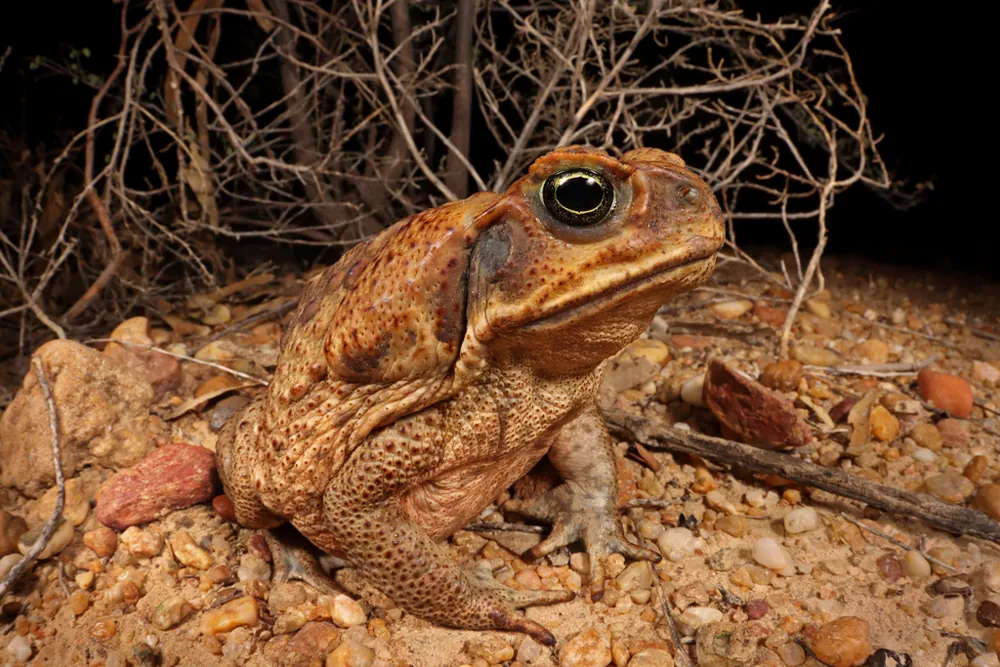
The cane toad is a large toad that is very poisonous to many animals. It is native to South and mainland Central America, but people have moved it to islands in Oceania and the Caribbean and to northern Australia. It matters because it spreads quickly and harms native wildlife and pets.1
 Hono anndirtee ngal
- Very large, with adults usually 10 to 15 cm long1
- Dry, warty skin with distinct ridges above the eyes that run down the snout1
- A large parotoid gland (a swollen gland) behind each eye1
- Grey, yellowish, red-brown or olive-brown skin, often with patterns1
- Horizontal pupils and golden irises1
No jiibondiree e: In Australia, adults can be confused with large native frogs, but these lack the large parotoid glands and the ridge between the nostril and eye. The giant burrowing frog has vertical pupils and silver-grey irises, while the cane toad has horizontal pupils and golden irises. In the United States, the southern toad has two bulbs in front of the parotoid glands.1
Doole tooke
Nguru mum ko tooke. No musiiba meemugol ngal, meemugol ngal e ɗemngal walla ñaamugol ngal.
Ko honɗun tooke ɓanndu mum waɗata?
The toad's glands secrete a milky-white fluid called bufotoxin when it is threatened. Components of bufotoxin are toxic to many animals. In dogs, signs of poisoning include excessive drooling, extremely red gums, head-shaking, crying and loss of coordination.1
Hono musiiba mum heewiri e yimɓe?
Musiiba e yimɓe: Musiiba mawɗoSi neɗɗo meemii walla ñaamii ngal, yahu ka doktoro. Maayde no famɗi sanne.The toxic skin can kill many wild and domestic animals. Dogs are especially at risk from licking or biting the toad. Human deaths have also been recorded after people ate cane toads.1
Ko honɗun ngal waɗata si ngal hulii?
When threatened, it releases bufotoxin from its glands.1
 Si neɗɗo meemii walla ñaamii ngal
- Si neɗɗo meemii gooto e majji: loot juuɗe ɗen no moƴƴi, wota meem gite walla hunuko. Si paykun walla kullal suudu meemii gooto e ɗemngal walla ñaamii gooto: noddu centre antipoison walla nimero ballal.
Adii fow noddu nimero ballal (112, 000, 911). Ɗum ko anndinal ballal adiingal, wanaa saaraangal doktoro. Ko adii nder ballal adiingal
 Reen hoore maa
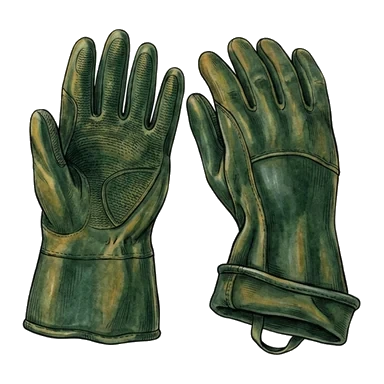
- Wota a meem, wota a nanngu, wota a jalnu kullal ladde haa abada, hay si ko tokooso, hay si no yi'ee no ɗaanii walla maayii.
- Accu ngal nokku. Si a fotti e ngal, deeƴu, ruttu ɓaawo seeɗa seeɗa, accu ngal yaha laawol mum.
- Si a meemii walla a ñaamii ngal: wota a moomtu gite maa walla hunuko maa, loot juuɗe maa, heɓu ballal doktoro.
Ngal faalaaka gaañugol ma. Tooke mum woodi tun ngam wota huunde ñaam ngal. Ko ɓeydi fii reenugol hoore maa
Hoto nder aduna?
Hono mawniri?
Hono juutiri?
 juuti no kaaɗe mahirɗe 8 e diisa gooto
 no waawi taccugol meeteruuji 100 nder segonde 180 (neɗɗo ɓurɗo yaawugol sokli 9,6)
Hono Cane toad mawniri, si fooɗondiraama e AN?
Ko limoore tun nder navigateur maa. Alaa ko danndetee walla ko neldetee ka nokku woo.
Hono yaawiri?


Humpito
Young toads lose the toxicity they had as eggs and tadpoles, and they only develop their poison glands later. Only an estimated 0.5% of cane toads reach adulthood.1
In Australia, tadpoles have evolved to be more likely to eat their siblings than tadpoles in South America.1
A female can lay thousands of eggs in one spawn, in strings up to 20 metres long.1
In the wild, cane toads can live 10 to 15 years, and one captive toad was reported to have lived 35 years.1
The cane toad is considered the largest species in the Bufonidae, the toad family.1
Cane toads eat both living and dead matter, which is unusual among frogs and toads.1
Bonnoowo fenaandeeji
Fenaande: The name 'marine toad' suggests that cane toads live in the sea.
Goonga: Cane toads do not live in the sea. The name came from a mistaken belief by an early naturalist.1
Ngam ganduɓe tooke
- Innde ganndal
- Rhinella marina
- Fedde
- Paaɓe tooke, krapooji e tritonuuji
- Ɓesngu
- Bufonidae2
- Ordre
- Anura
- Leyɗe mawɗe
- Amerik Nord, Amerik Sud
- Ɓiɓɓe tokosɓe
- A female lays 8,000 to 25,000 eggs at once, in long jelly strings that can stretch up to 20 metres.1
- Duuɓi nguurndam
- wona duuɓi 151
- Musiiba e yimɓe
- 3 / 5: Musiiba mawɗo3
Ɗo humpitooji ɗin iwri
- Cane toad (Wikipedia (CC BY-SA 4.0))
- Rhinella marina (iNaturalist): inɗe e ŋoordingol (classification).
- Venom Wiki: tolno musiiba, mawnugol aadaajo e miijo yaawugol ko amen. Ndaar no min ƴeewtirta ɗum: Hono min tolnirta musiiba.
Kala humpito nder ngoo hello no jogii limoore hollirnde iwdi mum. Si min juumii, yaafo, min ko yiɗɓe kulle, wanaa jaaynde ganndal. Haalan min e [email protected], min feewnitan.
 Yaare nden no weelaa! Venom Wiki ko golle neɗɗo gooto: ko yoɓetaake, alaa piiblisite, alaa reweteeɓe. Kopporde tokooso no walla heddingol ɗum e enternet.Ñaamnu yaare nden
Ko ɓeydi e fedde wootere: Paaɓe tooke, krapooji e tritonuuji
 Golden poison frogPaaɓe tooke, krapooji e tritonuujiWaroowoWota a meem
 Dyeing poison dart frogPaaɓe tooke, krapooji e tritonuujiNo muusi tunWota a meem
 Strawberry poison-dart frogPaaɓe tooke, krapooji e tritonuujiNo muusi tunWota a meem
 Black-legged poison frogPaaɓe tooke, krapooji e tritonuujiNo waawi warugolWota a meem
 California newtPaaɓe tooke, krapooji e tritonuujiNo waawi warugolWota a meem
 Rough-skinned newtPaaɓe tooke, krapooji e tritonuujiNo waawi warugolWota a meem
 Terciopelo
 Eastern coral snake
 Eastern diamondback rattlesnake
 Eyelash viper
 Timber rattlesnake
 Western diamondback rattlesnake