
 Afirik
 Aazi
Aazi Orop
Orop Amerik Sud
 Ostarali e Oseyani
 Antarktik
 Geeci Pasifik
 Geeci Atlantik
 Geeci Enndo
 Geeci Arktik
 Geeci Mediteraane
 Geeci Boɗeewi
 Geeci Karayib
 Geeci Korayl
 Geeci Siin Sud
 Geeci Filipiin
 Geeci Andaman
 Geeci Nord
 Geeci Timor e Arafura
 Gulf Bengal
 Gulf Kaliforni
Curlyhair tarantula
 Ŋatgol
The curlyhair tarantula is a plump, hairy spider whose bristles curl, which gives it a unique look. It lives in tropical scrubland in Costa Rica, often burrowing near large trees, rivers or patches of cleared rainforest. It is a popular pet and is widely bred in captivity.1

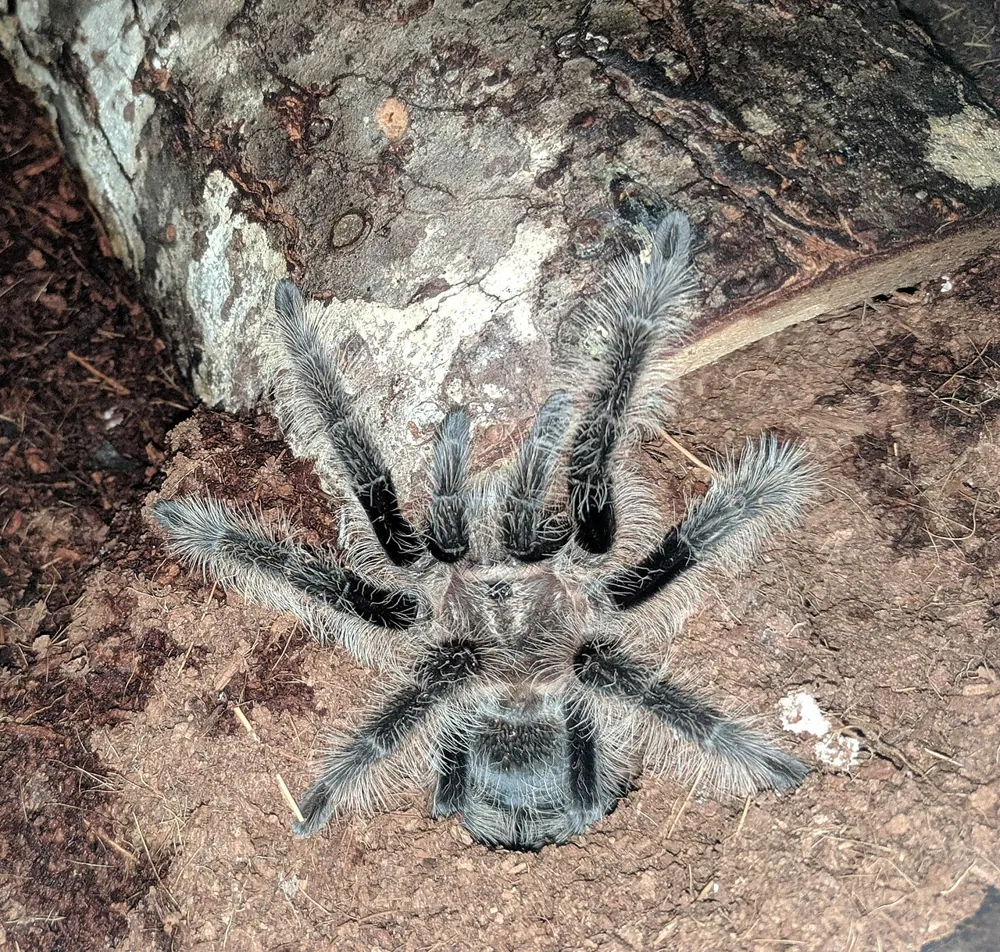
 Hono anndirtee ngal
- A plump-bodied spider covered in dark brown to black bristles.1
- Its bristles start light as a juvenile and darken as it ages.1
- Longer gold bristles give it a golden-bronze sheen, especially dense on the hind legs.1
- The bristles have a distinctive curl.1
- Males are often a lighter bronze colour than females.1
Doole tooke ŋatgol
Tooke no yaltira ñiiƴe mum tuma ngal ŋatata.
Ko honɗun tooke mum waɗata (ŋatgol walla jukkugol)?
Its venom is delivered through two hollow fangs and has two purposes. It paralyses the prey and begins digesting it. The spider then sucks up the proteins and fats, leaving only a small ball of undigested body parts.1
Hono musiiba mum heewiri e yimɓe?
Musiiba e yimɓe: SeeɗaNo jukkugol ñaaki walla ko ɓuri famɗugol. Ko ɓadii alaa musiiba e yimɓe.This tarantula is usually docile. When threatened, it kicks hairs off its abdomen, which can cause a rash on the skin, and if they hit a predator's eyes they can cause blindness.1
Ko honɗun ngal waɗata si ngal hulii?
When threatened, it kicks hairs off its abdomen with its hind legs.1
 Si no ŋata
- Loot nokku ŋataaɗo on, ɓuuɓnu. Heɓu ballal doktoro si muusu ngu no tiiɗi walla neɗɗo on no yi'a o selliraali.
Adii fow noddu nimero ballal (112, 000, 911). Ɗum ko anndinal ballal adiingal, wanaa saaraangal doktoro. Ko adii nder ballal adiingal
 Reen hoore maa
- Wota a meem, wota a nanngu, wota a jalnu kullal ladde haa abada, hay si ko tokooso, hay si no yi'ee no ɗaanii walla maayii.
- Accu ngal nokku. Si a fotti e ngal, deeƴu, ruttu ɓaawo seeɗa seeɗa, accu ngal yaha laawol mum.
- Si gooto e majji ŋatii ma: deeƴu, wota a dillu, noddu nimero ballal (112, 000, 911) walla yahu lopitaan law. Jogo e hakkille no ngal nanndi, natal no walla.
Ngal faalaaka gaañugol ma. Ngal no huutora tooke mum ngam nanngugol ñaamdu walla reenugol hoore mum, ngal ɓuri yiɗugol suuɗaade. Ko ɓeydi fii reenugol hoore maa
Hoto nder aduna?
Hono mawniri?
Hono juutiri?
 juuti no kaaɗe mahirɗe 5 e diisa gooto
 no waawi taccugol meeteruuji 100 nder segonde 210 (neɗɗo ɓurɗo yaawugol sokli 9,6)
Hono Curlyhair tarantula mawniri, si fooɗondiraama e AN?
Ko limoore tun nder navigateur maa. Alaa ko danndetee walla ko neldetee ka nokku woo.
Hono yaawiri?


Humpito
Its venom starts digestion before the spider even eats the prey.1
Females may attack and try to eat males that approach them when they are not ready to mate.1
In captivity, females have been reported to live up to 20 years, while males live only about 5 years.1
Captive specimens have grown to a leg span of just over 6 inches (15 cm).1
Once captured in large numbers for the pet trade, it is now mostly bred in captivity and rarely caught in the wild.1
Ngam ganduɓe tooke
- Innde ganndal
- Tliltocatl albopilosus
- Fedde
- Taranteeli e funnel-web
- Ɓesngu
- Theraphosidae2
- Ordre
- Araneae
- Leyɗe mawɗe
- Amerik Nord
- Ɓiɓɓe tokosɓe
- After mating, a female lays 300 to 500 eggs in an egg sac several weeks later. The egg sac is incubated for about seven to eight weeks, and pale young then emerge and cluster together before dispersing.1
- Duuɓi nguurndam
- wona duuɓi 201
- Hono ngal woniri nder ladde
- Listed on CITES Appendix II, meaning international trade is controlled by quotas and trade permits1
- Musiiba e yimɓe
- 1 / 5: Seeɗa3
Ɗo humpitooji ɗin iwri
- Tliltocatl albopilosus (Wikipedia (CC BY-SA 4.0))
- Tliltocatl albopilosus (iNaturalist): inɗe e ŋoordingol (classification).
- Venom Wiki: tolno musiiba, mawnugol aadaajo e miijo yaawugol ko amen. Ndaar no min ƴeewtirta ɗum: Hono min tolnirta musiiba.
Kala humpito nder ngoo hello no jogii limoore hollirnde iwdi mum. Si min juumii, yaafo, min ko yiɗɓe kulle, wanaa jaaynde ganndal. Haalan min e [email protected], min feewnitan.
 Yaare nden no weelaa! Venom Wiki ko golle neɗɗo gooto: ko yoɓetaake, alaa piiblisite, alaa reweteeɓe. Kopporde tokooso no walla heddingol ɗum e enternet.Ñaamnu yaare nden
Ko ɓeydi e fedde wootere: Taranteeli e funnel-web
 Mexican redknee tarantulaTaranteeli e funnel-webAlaa musiiba
 Arizona blond tarantulaTaranteeli e funnel-webAlaa musiiba
 Ravine trapdoor spiderTaranteeli e funnel-webAlaa musiiba
 Trinidad chevron tarantulaTaranteeli e funnel-webNo muusi tun
 Antilles pinktoe tarantulaTaranteeli e funnel-webAlaa musiiba
 California trapdoor spiderTaranteeli e funnel-webAlaa musiiba
 Terciopelo
 Eastern coral snake
 Eastern diamondback rattlesnake
 Eyelash viper
 Timber rattlesnake
 Western diamondback rattlesnake