
 Afirik
 Aazi
Aazi Orop
Orop Amerik Sud
 Ostarali e Oseyani
 Antarktik
 Geeci Pasifik
 Geeci Atlantik
 Geeci Enndo
 Geeci Arktik
 Geeci Mediteraane
 Geeci Boɗeewi
 Geeci Karayib
 Geeci Korayl
 Geeci Siin Sud
 Geeci Filipiin
 Geeci Andaman
 Geeci Nord
 Geeci Timor e Arafura
 Gulf Bengal
 Gulf Kaliforni
Israeli mole viper
 Ŋatgol
The Israeli mole viper is a small, dark, venomous snake that lives in deserts in the Middle East. It spends most of its time underground or hidden under rocks, and it is active mainly at night. It is one of the most venomous snakes in its region, but bites to people are rare.1



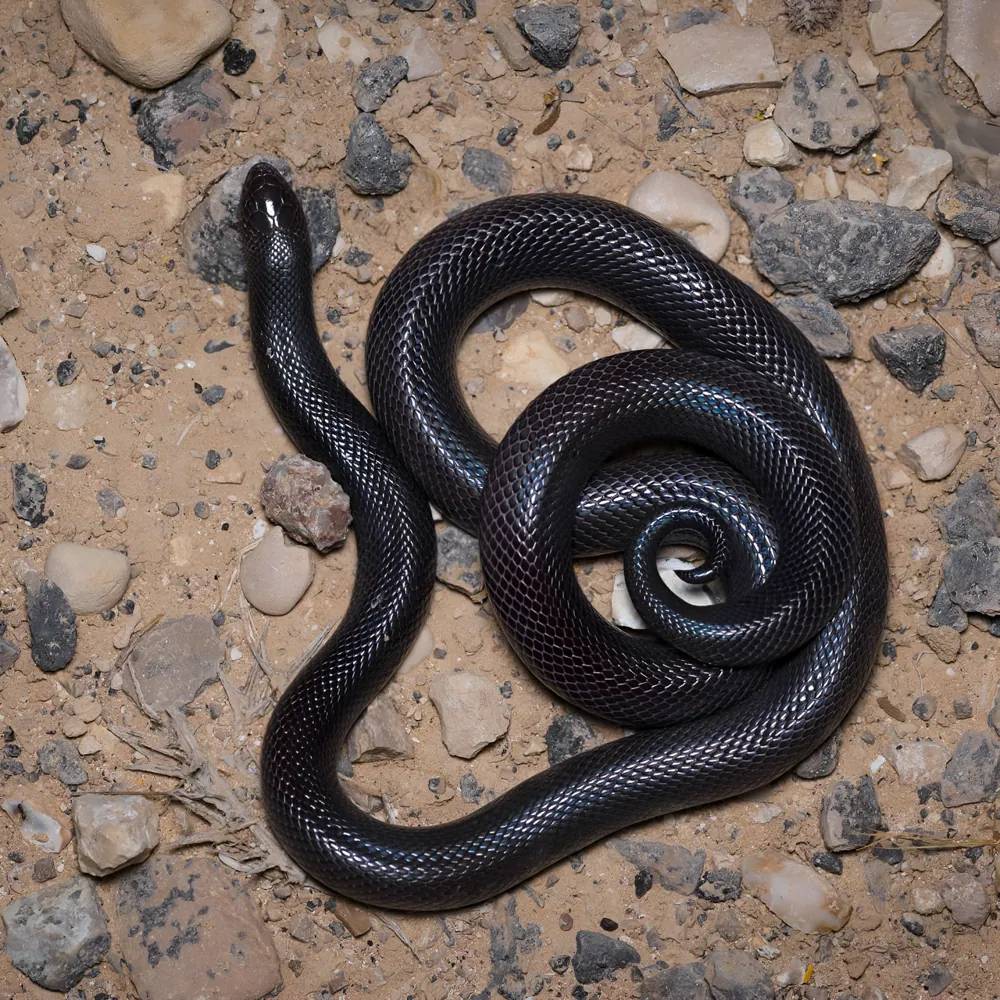
 Hono anndirtee ngal
Doole tooke ŋatgol
Tooke no yaltira ñiiƴe mum tuma ngal ŋatata.
Ko honɗun tooke mum waɗata (ŋatgol walla jukkugol)?
Its venom contains three toxins called sarafotoxins, which act strongly on the heart. The venom affects the heart's electrical rhythm, causing an A-V block, which means the signal between the upper and lower chambers of the heart is interrupted. Death from very high doses is rapid and seems to result from effects on the nerves.1
Hono musiiba mum heewiri e yimɓe?
Musiiba e yimɓe: Musiiba sanneNo waawi warugol neɗɗo mo safraaka.It is an extremely venomous snake. Bites are rare because it lives mostly in deserts and underground and is slow to react. Most people survive a bite with little or no lasting damage, even small children with proper treatment. Only 2 to 3 fatal cases have been recorded since its discovery in 1950, the most recent in 2002, when a man tried to capture a snake near his house.1
Ko honɗun ngal waɗata si ngal hulii?
When threatened, it rolls up with its tail raised and its head hidden under its body.1
 Si no ŋata
- Loot nokku ŋataaɗo on, deeƴnu neɗɗo on, heɓu ballal doktoro. Noone goɗɗe (no boomslang) no waawi warugol caggal saahaaji.
Adii fow noddu nimero ballal (112, 000, 911). Ɗum ko anndinal ballal adiingal, wanaa saaraangal doktoro. Ko adii nder ballal adiingal
 Reen hoore maa
- Wota a meem, wota a nanngu, wota a jalnu kullal ladde haa abada, hay si ko tokooso, hay si no yi'ee no ɗaanii walla maayii.
- Accu ngal nokku. Si a fotti e ngal, deeƴu, ruttu ɓaawo seeɗa seeɗa, accu ngal yaha laawol mum.
- Si gooto e majji ŋatii ma: deeƴu, wota a dillu, noddu nimero ballal (112, 000, 911) walla yahu lopitaan law. Jogo e hakkille no ngal nanndi, natal no walla.
Ngal faalaaka gaañugol ma. Ngal no huutora tooke mum ngam nanngugol ñaamdu walla reenugol hoore mum, ngal ɓuri yiɗugol suuɗaade. Ko ɓeydi fii reenugol hoore maa
Hoto nder aduna?
Hono mawniri?
Hono juutiri?
 juuti no ulluuɗi suudu 1,5, hinere haa lawol
 juuti no banaanaaji 4 jokkondirɗi
 no waawi taccugol meeteruuji 100 nder segonde 75 (neɗɗo ɓurɗo yaawugol sokli 9,6)
Hono Israeli mole viper mawniri, si fooɗondiraama e AN?
Ko limoore tun nder navigateur maa. Alaa ko danndetee walla ko neldetee ka nokku woo.
Hono yaawiri?


Humpito
Its fangs can be turned to point outside its mouth, so it can stab sideways even with its mouth closed.1
Capturing this snake is dangerous, because it can bite sideways even when held by the head. Zoologist Heinrich Mendelssohn was bitten this way when he first captured one in 1944.1
There is currently no antivenom available for this snake.1
Its eggs are large compared with its body size and with snakes in general.1
It mates in July and August, which is late compared with other snakes and may point to a tropical origin.1
It is relatively non-aggressive and slow to react, even when disturbed.1
Ngam ganduɓe tooke
- Innde ganndal
- Atractaspis engaddensis
- Fedde
- Ɓoɗɗi ñiiƴe ɓaawo
- Ɓesngu
- Atractaspididae2
- Ordre
- Squamata
- Leyɗe mawɗe
- Aazi
- Ɓiɓɓe tokosɓe
- Between the end of September and November, the female lays 2 to 3 large, elongated eggs, about 7.5 cm long, in humid conditions. The young hatch after about 3 months already equipped with venom.1
- Musiiba e yimɓe
- 4 / 5: Musiiba sanne3
Ɗo humpitooji ɗin iwri
- Atractaspis engaddensis (Wikipedia (CC BY-SA 4.0))
- Atractaspis engaddensis (iNaturalist): inɗe e ŋoordingol (classification).
- Venom Wiki: tolno musiiba, mawnugol aadaajo e miijo yaawugol ko amen. Ndaar no min ƴeewtirta ɗum: Hono min tolnirta musiiba.
Kala humpito nder ngoo hello no jogii limoore hollirnde iwdi mum. Si min juumii, yaafo, min ko yiɗɓe kulle, wanaa jaaynde ganndal. Haalan min e [email protected], min feewnitan.
 Yaare nden no weelaa! Venom Wiki ko golle neɗɗo gooto: ko yoɓetaake, alaa piiblisite, alaa reweteeɓe. Kopporde tokooso no walla heddingol ɗum e enternet.Ñaamnu yaare nden
 Brown tree snake
 Tiger keelback
 Red-necked keelback
 Green cat snake
 Mangrove snake
 Asian vine snake
 Yaare oolnde maayde
 Kobra Enndo
 Wipeeri cerkeeje siy Enndo
 Kobra laamɗo
 Wipeeri fuufoowndi
 Bowngal Russell
.png)