
 Afirik
 Aazi
Aazi Orop
Orop Amerik Sud
 Ostarali e Oseyani
 Antarktik
 Geeci Pasifik
 Geeci Atlantik
 Geeci Enndo
 Geeci Arktik
 Geeci Mediteraane
 Geeci Boɗeewi
 Geeci Karayib
 Geeci Korayl
 Geeci Siin Sud
 Geeci Filipiin
 Geeci Andaman
 Geeci Nord
 Geeci Timor e Arafura
 Gulf Bengal
 Gulf Kaliforni
Pine processionary
 Leɓɓe jukkooje
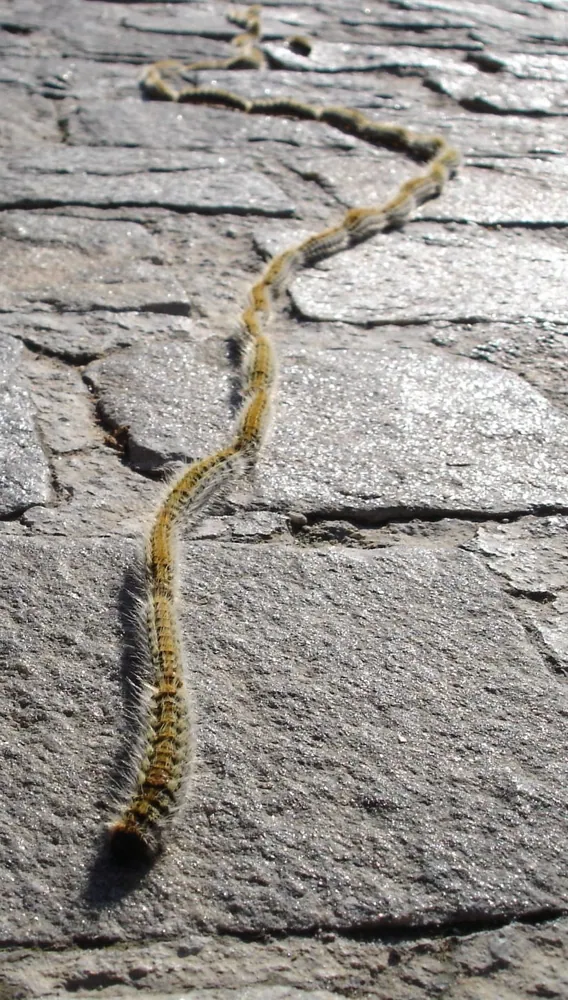
The pine processionary is a moth whose caterpillars are famous for marching in long, nose-to-tail lines through pine woods. Their hairs cause painful rashes and eye irritation, and they can strip the needles from whole trees. It lives around the Mediterranean and is spreading north.1
 Hono anndirtee ngal
- Caterpillars are orange-brown and hairy, with blue bands.1
- Large silken nests in pine trees, often with several in one tree and signs of stripped needles.1
- Caterpillars move in single-file processions, usually at night and when leaving the tree to pupate.1
- Adults have predominantly light brown forewings with brown markings and white hindwings.1
- Adult males have a crescent marking on the wings and are larger than the oak processionary.1
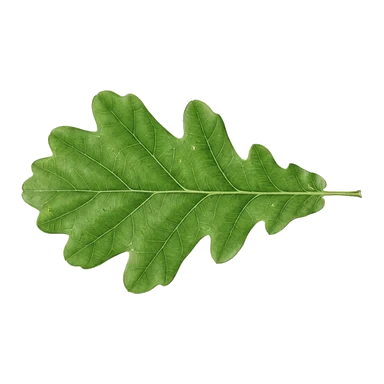
No jiibondiree e: The oak processionary (Thaumetopoea processionea) is smaller as an adult, has an indistinct wing marking rather than a crescent, and lives in broad-leaved rather than coniferous forests. The pale eggar moth has no crescent marking on its wings.1
Doole tooke ŋatgol
Leɓɓe tokosɗe walla cuddi no taƴoo nder nguru, no njukka.
Ko honɗun tooke mum waɗata (ŋatgol walla jukkugol)?
The species is not venomous. Its caterpillars have hairs containing an irritant chemical called thaumetopoein, which causes skin rashes (urticaria) and eye irritation on contact. Some people may have an allergic reaction. The hairs of fifth-stage larvae can also break off and spread across nearby exposed skin.1
Hono musiiba mum heewiri e yimɓe?
Musiiba e yimɓe: MuusɗoNo waawi muusugol sanne, kono ko ɓadii kala tuma ɗum wonataa musiiba mawɗo.Simple contact with the caterpillar hairs can cause severe rashes and eye irritation in humans and other mammals. Some individuals may have an allergic reaction.1
Ko honɗun ngal waɗata si ngal hulii?
When stressed or threatened, fifth-stage caterpillars eject harpoon-shaped hairs that irritate any exposed skin nearby.1
 Si a meemii leɓɓe mum
- Ngam leɓɓe ngooɓuuli jukkooje: ittu ɗe e skotsi ɓataaɗo, refti loot nguru ngun. Wota a moomtu.
- Ngam ŋatgol: loot nokku on, ɓuuɓnu. Heɓu ballal doktoro si neɗɗo on no yi'a o selliraali, walla no ƴiiɗa ko newii.
Adii fow noddu nimero ballal (112, 000, 911). Ɗum ko anndinal ballal adiingal, wanaa saaraangal doktoro. Ko adii nder ballal adiingal
 Reen hoore maa
- Wota a meem, wota a nanngu, wota a jalnu kullal ladde haa abada, hay si ko tokooso, hay si no yi'ee no ɗaanii walla maayii.
- Accu ngal nokku. Si a fotti e ngal, deeƴu, ruttu ɓaawo seeɗa seeɗa, accu ngal yaha laawol mum.
- Si a meemii leɓɓe mum: deeƴu, wota a dillu, noddu nimero ballal (112, 000, 911) walla yahu lopitaan law. Jogo e hakkille no ngal nanndi, natal no walla.
Ngal faalaaka gaañugol ma. Ngal no huutora tooke mum ngam nanngugol ñaamdu walla reenugol hoore mum, ngal ɓuri yiɗugol suuɗaade. Ko ɓeydi fii reenugol hoore maa
Hoto nder aduna?
Hono mawniri?
Hono juutiri?
 juuti no ñippirde kayitaaje
 ɓuri kokiyaasi ngesa leelugol
Hono Pine processionary mawniri, si fooɗondiraama e AN?
Ko limoore tun nder navigateur maa. Alaa ko danndetee walla ko neldetee ka nokku woo.
Hono yaawiri?


Humpito
Caterpillars in a procession hold together through touch from the caterpillar in front, which takes priority over the trail pheromone or silk.1
The caterpillars are one of the few temperate-zone insects whose larvae develop through the winter, living in silk nests high in pine trees.1
Adults live for only a single day, during which they mate and lay eggs.1
The Greek physician Dioscorides described the itching caused by this caterpillar in the 1st century AD, and Pliny the Elder recorded a treatment for it.1
Outbreaks are somewhat cyclical, with a period of 7 to 9 years.1
Bonnoowo fenaandeeji
Fenaande: Fabre's caterpillars marched in a circle around a flower pot only because they were trapped on its rim.
Goonga: Young caterpillars' circular trails continue for as long as 12 hours even when they are free on a flat surface.1
Ngam ganduɓe tooke
- Innde ganndal
- Thaumetopoea pityocampa
- Fedde
- Ngooɓuuli e ɓuuɓuuli
- Ɓesngu
- Notodontidae2
- Ordre
- Lepidoptera
- Leyɗe mawɗe
- Orop, Afirik, Aazi
- Ɓiɓɓe tokosɓe
- Each female lays an enormous number of eggs near the tops of pine trees, in cylindrical egg masses 4 to 5 cm long covered with scales that mimic pine shoots.1
- Musiiba e yimɓe
- 2 / 5: Muusɗo3
Ɗo humpitooji ɗin iwri
- Pine processionary (Wikipedia (CC BY-SA 4.0))
- Thaumetopoea pityocampa (iNaturalist): inɗe e ŋoordingol (classification).
- Venom Wiki: tolno musiiba, mawnugol aadaajo e miijo yaawugol ko amen. Ndaar no min ƴeewtirta ɗum: Hono min tolnirta musiiba.
Kala humpito nder ngoo hello no jogii limoore hollirnde iwdi mum. Si min juumii, yaafo, min ko yiɗɓe kulle, wanaa jaaynde ganndal. Haalan min e [email protected], min feewnitan.
 Yaare nden no weelaa! Venom Wiki ko golle neɗɗo gooto: ko yoɓetaake, alaa piiblisite, alaa reweteeɓe. Kopporde tokooso no walla heddingol ɗum e enternet.Ñaamnu yaare nden
Ko ɓeydi e fedde wootere: Ngooɓuuli e ɓuuɓuuli
 Oak processionaryNgooɓuuli e ɓuuɓuuliNo muusi tunWota a meem
 White-spotted assassin bugNgooɓuuli e ɓuuɓuuliNo muusi tun
 Common bombardier beetleNgooɓuuli e ɓuuɓuuliAlaa musiiba
 Asian giant water bugNgooɓuuli e ɓuuɓuuliNo muusi tun
 Blue-striped nettle grubNgooɓuuli e ɓuuɓuuliNo muusi tunWota a meem
 Brown-tail mothNgooɓuuli e ɓuuɓuuliNo muusi tunWota a meem
No hoɗi kadi nder: Orop
 Common European adderWipeeri e adderNo sokli doktoro
 Spanish flyKulle goɗɗe tookeeje ɓannduNo sokli doktoroWota a meem
 Common waspÑaaki, ɗuggi e ɗuggi mawɗiNo muusi tun
 European hornetÑaaki, ɗuggi e ɗuggi mawɗiNo muusi tun
 Fire salamanderPaaɓe tooke, krapooji e tritonuujiNo muusi tunWota a meem
 Western honey beeÑaaki, ɗuggi e ɗuggi mawɗiNo muusi tun