
 Afirik
 Asiya
Asiya Turai
Turai Amerik Worgo
 Australiya e Oseaniya
 Antarktika
 Baharu Pasifik
 Baharu Atlantik
 Baharu Indiya
 Baharu Arktik
 Baharu Mediterane
 Baharu Boɗeeru
 Baharu Karibiya
 Baharu Koral
 Baharu Ciina Worgo
 Baharu Filipin
 Baharu Andaman
 Baharu Rewo
 Baharu Timor e Arafura
 Baharu Bengal
 Baharu Kaliforniya
Arizona bark scorpion
 Ina fiɗa
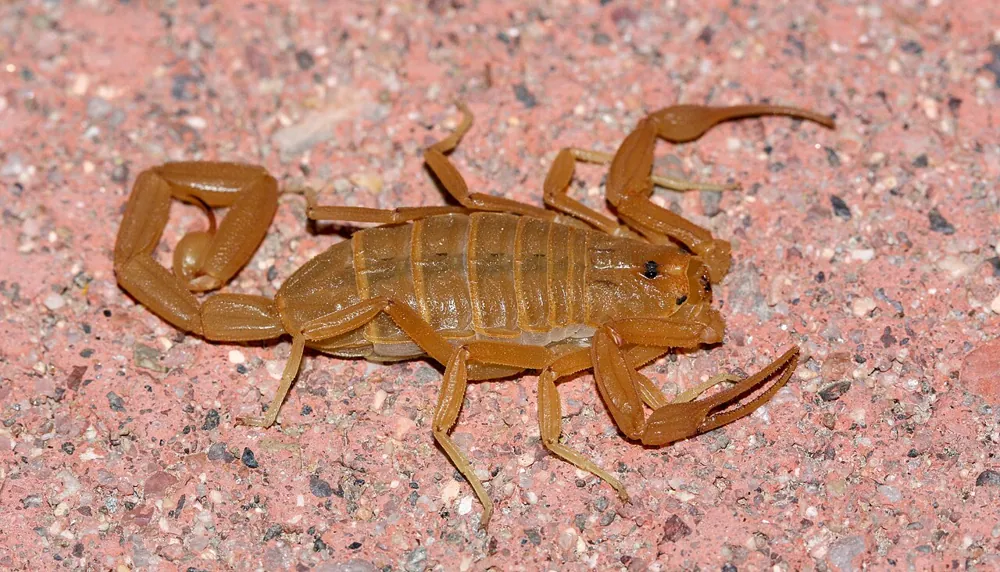
The Arizona bark scorpion is a small, light brown scorpion. It lives in the Sonoran Desert of the southwestern United States and northwestern Mexico. It is the most venomous scorpion in the United States, so it is important to know what it looks like and what to do after a sting.1


 No anndirto nde
- Small and light brown, tan or light beige in colour1
- Adults are up to 8 cm long (males) or up to 7 cm long (females)1
- Glows (fluoresces) under a blacklight, so it can be spotted at night from about six feet away with a UV flashlight1
- Can climb walls, trees and other rough surfaces, and often sits on the underside of objects1
Doole tooke
Tooke ina yalta e fiɗirgal.
Hol ko tooke mum (ŋatol walla fiɗol) waɗata?
The venom causes severe pain in adults, along with numbness, tingling and vomiting. These symptoms typically last between 24 and 72 hours. The stung area may stop working for a time, so a hand or arm can be temporarily immobilised or have convulsions. Some victims also feel short breaths and electrical jolts.1
Hol no nde woni bone e yimɓe?
Bone e yimɓe: Bone mawɗoFiɗol ina haani doktaa. Maayde ina woodi seeɗa sanne.Two deaths have been recorded in Arizona since 1968. Thousands of people are estimated to be stung each year in Arizona and New Mexico. Young children are at particular risk of severe symptoms.1
 Kabaru moƴƴo: doktaaɓe ina njogii lekki (antivenom) walla safaara ngam ɗum.1
Hol ko nde waɗata si nde hulii?
It will not seek out humans unless it is provoked or defending its young.1
 Si nde fiɗii
- Clean the sting site with soap and water, then apply a cool compress. You can take acetaminophen (paracetamol) or ibuprofen for pain and swelling. Get medical attention straight away if severe symptoms occur, especially in young children.1
- Ɓuuɓnu fiɗol ngol e kankara, deeƴin neɗɗo oo taa o dilla. Heɓu ballal doktaa law, haa teeŋti e sukaaɓe: yaaje goɗɗe ina mbaroo sukaaɓe.
Sahaa fof, noddu lamba ballal yaawngal (112, 000, 911) ko adii. Ɗum ko ballal arano kuuɓal, wonaa wasiyya doktaa. Aslu ballal arano
 Reen hoore maa
- Taa memu, taa nanngu, taa aaɓnu dabbaare ladde abada, hay pamaro, hay si ina wayi no ɗaanii walla maayii.
- Accu nde nokku. Si a fottii e gooto, deeƴu, ruttu caggal seeɗa seeɗa, accu nde yaha laawol mum.
- Si gooto e majji fiɗii ma: deeƴu, taa dillu, noddu lamba ballal yaawngal (112, 000, 911) walla yah asibiti law. Siftor no nde wayri, foto ina walla.
Nde ɗaɓɓaaki ma. Nde huutora tooke mum ngam nanngude ñaamdu walla reende hoore mum, nde ɓuri yiɗde suuɗaade. Ɓeydu anndude no reentorto
Hol to e aduna?
Hol no nde mawni?
Hol no nde juuti?
 juuti no bulok fijo 2,5 jokkondiraaɗi
 ina waawi dogde meeter 100 nder sakan 220 (neɗɗo ɓurɗo yaawde ina haani 9,6)
Hol no Arizona bark scorpion mawni, fottindaade e AAN?
Hiisa tan nder browser maa. Alaa ko mooftetee walla ko neletee.
Hol no nde yaawi?


Anndal
Scorpions, including this species, were found near ground zero during American nuclear tests, with no recorded harmful effects.1
Its venom has little effect on grasshopper mice, which scientists found use the toxin as a pain reducer rather than a pain trigger.1
It is the only scorpion genus in the Southwest that can climb rough walls and trees.1
Layers of wax on its outer shell help it resist water loss in the desert.1
Newly moulted scorpions do not glow under UV light for a few days.1
Young scorpions are gently guided onto their mother's back, where they stay after birth.1
Feññinoowo goonga
Fenaande: Scorpions go looking for people to sting them.
Goonga: They will not seek out humans unless they are provoked or defending their young. Many stings happen when people touch a scorpion on the underside of an object, where it is hiding.1
Ɗo anndal iwi
- Arizona bark scorpion (Wikipedia (CC BY-SA 4.0))
- Centruroides sculpturatus (iNaturalist): inɗe e tolnugol.
- Venom Wiki: darja bone, mawnude woowaaɗo e miijo yaawre ko amen. Ndaar no min hiisirta ɗum: No min betiri bone.
Kala anndal e ngoo hello ina jogii limre hollirnde iwdi mum. Si min juumii, accu min, min yiɗɓe dabbaaji, wonaa jaridaa ganndal. Wiy min e [email protected] min feewnitay.
 Yaare nden ina heege! Venom Wiki ko golle neɗɗo gooto: meere, tawa tallaaji alaa, trackers alaa. Ballal pamarngal ina walla heddinde ɗum e internet.Ñaamnu yaare nden
 Cuban blue scorpion
 Striped bark scorpion
 Giant desert hairy scorpion
 Colima scorpion
 Durango scorpion
 Mexican bark scorpion
 Terciopelo
 Eastern coral snake
 Eastern diamondback rattlesnake
 Eyelash viper
 Timber rattlesnake
 Western diamondback rattlesnake