
 Afrik
Afrik Aazi
Aazi Orop
Orop Amerik Worgo
 Ostaraali e Oseyaani
 Antarktik
 Geec Pasifik
 Geec Atlantik
 Geec Enndo
 Geec Arktik
 Geec Mediteraane
 Geec Boɗeejo
 Geec Karayib
 Geec Korayl
 Geec Siin Worgo
 Geec Filipiin
 Geec Andaman
 Geec Rewo
 Geec Timor e Arafura
 Gulf Bengal
 Gulf Kaliforni
Common toad
 Tooke e nguru mum
The common toad is a stout, warty toad that lives across most of Europe, in western North Asia and in a small part of northwest Africa. It hides under stones and leaves by day and hunts slugs, beetles and worms at night. Its skin releases a foul-tasting toxin that helps protect it from predators.1
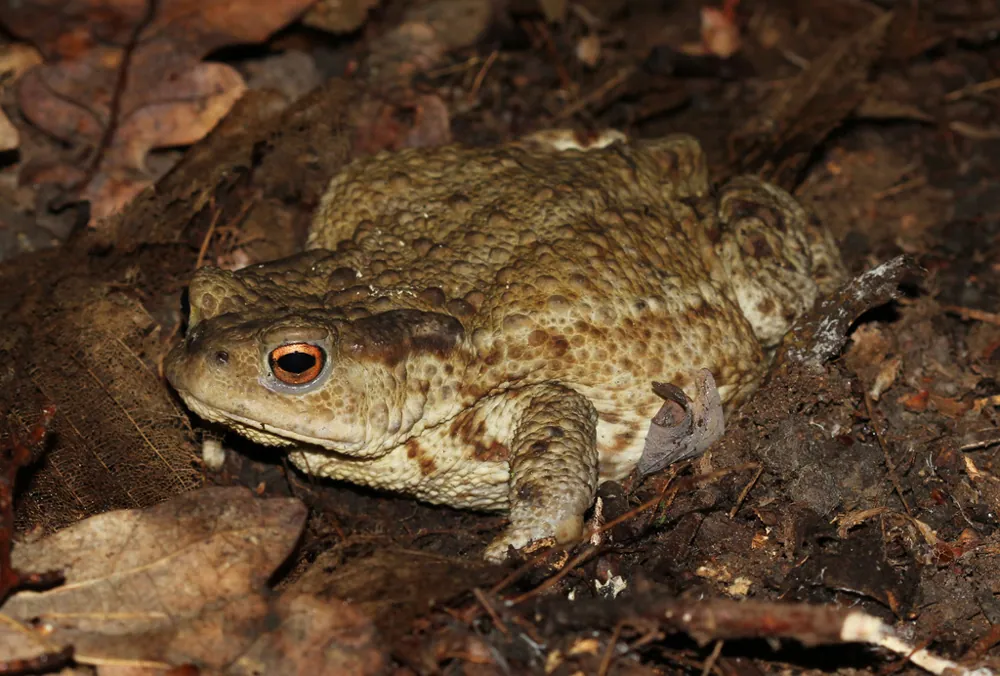
 No anndirte ngal
- Greyish-brown, olive-brown or brown skin covered in small, wart-like lumps1
- Bulging paratoid glands just behind the eyes, which are a clear sign of a toad1
- Yellow or copper-coloured eyes with horizontal, slit-shaped pupils1
- No tail, no teeth, and no neck visible between the head and body1
- Walks slowly or makes short shuffling hops, rather than leaping1
Ina heewi waylondireede e: The natterjack toad is usually smaller and has a yellow band down its back. The European green toad has a distinctive mottled pattern. The paratoid glands of both of these run parallel to each other, not slanting as in the common toad. The common frog has a less rounded snout, damp smooth skin, and usually leaps.1
Doole tooke ɓanndu
Nguru mum ina jogii tooke. Ina bonna so meemaama, lakkaama walla ñaamaama.
Hol ko tooke ɓanndu mum waɗata?
The toad is poisonous rather than venomous, so it does not inject venom. Its paratoid glands and other skin glands secrete a noxious, foul-tasting substance containing bufotoxin, which is enough to deter many predators. Grass snakes seem to be unaffected by it.1
Hol no bone mum heewiri e yimɓe?
Bone e yimɓe: MuusɗoIna waawi muusde sanne, kono hertaani wonde huunde mawnde.Hol ko ngal waɗata so ina hula?
When attacked, it inflates its body and stands with its hindquarters raised and its head lowered.1
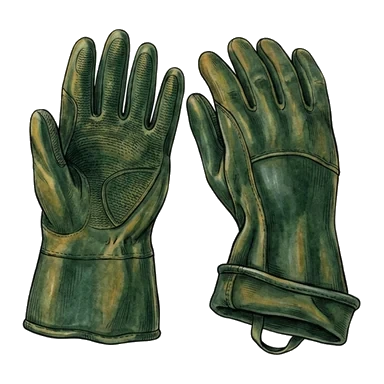
 So neɗɗo meemii ngal walla ñaamii ngal
- So neɗɗo meemii gooto: loot juuɗe ɗee no moƴƴiri, wota a meem gite walla hunduko. So cukalel walla kullal galle lakkii walla ñaamii gooto: noddu centre antipoison walla nimero urgence.
Adii fof noddu nimero urgence (112, 000, 911). Ɗum ko anndinal ballal adiingal, wonaa saaraangal doktoor. Ko adii e ballal adiingal
 Reen hoore maa
- Wota a meem, wota a nanngu, wota a ñiŋŋu kullal ladde haa abada, hay so ngal ina famɗi, hay so ina nanndi e ɗaaniingal walla maayngal.
- Accu ngal nokku. So a fotti e ngal, deƴƴu, ruttu ɓaawo seeɗa seeɗa, accu ngal yaha laawol mum.
- So a meemii ngal walla a ñaamii ngal: wota a moomtu gite maa walla hunduko maa, loot juuɗe maa, heɓ ballal cafrol.
Ngal faalaaka gaañde ma. Tooke mum woni tan ngam wota huunde ñaam ngal. Ɓeydu anndude no reentortoo
Hol to e aduna?
Hol no mawniri?
Hol no juutiri?
 juutde no kaaɗe mahirɗe 5 ɗaɓɓondiraaɗe
 ina waawi taƴde 100 meeteer e segonde 180 (neɗɗo ɓurɗo yaawde ina sokli 9,6)
Hol no Common toad mawniri, so fooɗondiraama e AN?
Limgal tan e navigatoor maa. Alaa ko danndetee walla ko neldetee.
Hol no yaawiri?


Humpito
Common toads have been recorded at depths of about 99 m in Loch Ness, Scotland, which surprised researchers because it is an air-breathing animal.1
Crows have been seen puncturing the toad's skin and pecking out its liver to avoid the toxin.1
They can live for about ten to twelve years in the wild and have survived for fifty years in captivity.1
Toads can see prey in low light where humans cannot see anything.1
Adults often return to the same breeding pond year after year, and over 80% of males marked as juveniles were found to return to the pond where they were spawned.1
Ngam ganduɓe tooke
- Innde ganndal
- Bufo bufo
- Fedde
- Ñaari tooke, ñaari e newts
- Ɓesngu
- Bufonidae2
- Ordre
- Anura
- Leyɗe mawɗe
- Orop, Aazi
- Ɓiɓɓe tokooso
- The female lays eggs in gelatinous strings in the water. These hatch into tadpoles, which take several months to grow and sprout limbs before becoming tiny toads.1
- Juuteendi nguurndam
- hedde duuɓi 101
- Hol no ngal woniri e ladde
- Least Concern1
- Bone e yimɓe
- 2 / 5: Muusɗo3
Ɗo humpito iwri
- Common toad (Wikipedia (CC BY-SA 4.0))
- Bufo bufo (iNaturalist): inɗe e ceergal.
- Venom Wiki: tolno bone, mawnude heewnde e miijo yaawde ko amen. Yiy no men keɓirta ɗum: No men tolnirta bone.
Kala humpito e ngoo hello ina jogii limoore hollirnde iwdi mum. So men juumii, yaafo, men ko yiɗɓe kulle, wonaa jaaynde ganndal. Wiy men e [email protected], men feewnita.
 Yaare nden ina weelaa! Venom Wiki ko golle neɗɗo gooto: yoɓetaake, alaa ko jeeyetee, alaa rewɓe. Ndokkal seeɗa ina walla ngam heddude e enternet.Ñaam yaare nden
Goɗɗe e nder fedde wootere: Ñaari tooke, ñaari e newts
 Fire salamanderÑaari tooke, ñaari e newtsIna muusi tanWota a meem
 Japanese fire-bellied newtÑaari tooke, ñaari e newtsIna sokli doktoorWota a meem
 European fire-bellied toadÑaari tooke, ñaari e newtsAlaa bone
 Iberian ribbed newtÑaari tooke, ñaari e newtsAlaa bone
 Natterjack toadÑaari tooke, ñaari e newtsAlaa bone
 Oriental fire-bellied toadÑaari tooke, ñaari e newtsAlaa bone
Ina wuuri kadi e: Orop
 Common European adderƁoɗɗi wipeerIna sokli doktoor
 Spanish flyKulle goɗɗe jogiiɗe tooke ɓannduIna sokli doktoorWota a meem
 Common waspÑaaki, ɗuggi e ɗuggi mawɗiIna muusi tan
 European hornetÑaaki, ɗuggi e ɗuggi mawɗiIna muusi tan
 Western honey beeÑaaki, ɗuggi e ɗuggi mawɗiIna muusi tan
 Blunt-nosed viperƁoɗɗi wipeerIna waawi warde