
 Afrik
Afrik Aazi
Aazi Orop
Orop Amerik Worgo
 Ostaraali e Oseyaani
 Antarktik
 Geec Pasifik
 Geec Atlantik
 Geec Enndo
 Geec Arktik
 Geec Mediteraane
 Geec Boɗeejo
 Geec Karayib
 Geec Korayl
 Geec Siin Worgo
 Geec Filipiin
 Geec Andaman
 Geec Rewo
 Geec Timor e Arafura
 Gulf Bengal
 Gulf Kaliforni
Hardhead catfish
 Gaaɗe tooke
The hardhead catfish is a sea catfish that lives in shallow coastal waters of the northwest Atlantic and the Gulf of Mexico. It has sharp spines on its fins that can be venomous, so it is one to admire from a distance. Male hardhead catfish also carry their eggs in their mouths until they hatch.1



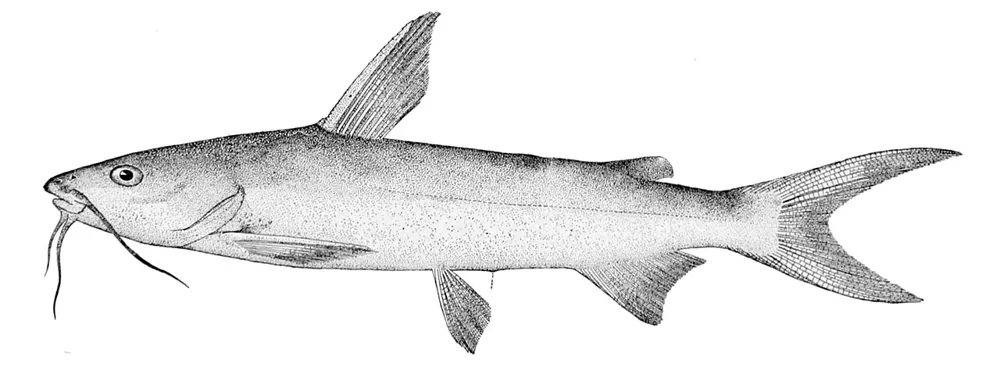

 No anndirte ngal
- Often dirty grey on top with white underneath.1
- Four barbels (whisker-like feelers) under the chin and two more at the corners of the mouth.1
- A hard, bony plate between the eyes and the dorsal fin.1
- Sharp, barbed, slime-covered spines on the dorsal and pectoral fins. The dorsal spine stands upright when the fish is excited.1
- Typically 25 to 30 cm long, and elongated in shape.1
Ina heewi waylondireede e: The gafftopsail catfish looks very similar. The difference is that its dorsal and pectoral spines have a fleshy extension, like the fore-and-aft topsail of a ship.1
Doole tooke
Gaaɗe ceeɓɗe ina ndondii tooke. Yaabde e mum walla nanngude ɗum ina muusi.
Hol no bone mum heewiri e yimɓe?
Bone e yimɓe: MuusɗoIna waawi muusde sanne, kono hertaani wonde huunde mawnde.No bite or death figures are given. Anglers generally avoid catching it because of the risk from handling the fish and its spines, and because its flesh tastes fishy compared with popular game fish.1
Hol ko ngal waɗata so ina hula?
When it feels threatened or excited, its dorsal spine stands upright, and its sharp, slime-covered spines are its main defence.1
 So gaaɗe mum tuƴii ma
- Naatnu gaañande nden e ndiyam guleeɗam, guleeɗam no neɗɗo oo waawi muññude tawa sumaani (ƴeewr ɗum e jungo maa), hojomaaji 30 haa 90. Heɓ ballal cafrol, ɓuri noon ngam liƴƴi kaaƴe e liƴƴi raay.
Adii fof noddu nimero urgence (112, 000, 911). Ɗum ko anndinal ballal adiingal, wonaa saaraangal doktoor. Ko adii e ballal adiingal
 Reen hoore maa
- Wota a meem, wota a nanngu, wota a ñiŋŋu kullal ladde haa abada, hay so ngal ina famɗi, hay so ina nanndi e ɗaaniingal walla maayngal.
- Accu ngal nokku. So a fotti e ngal, deƴƴu, ruttu ɓaawo seeɗa seeɗa, accu ngal yaha laawol mum.
- So gaaɗe mum tuƴii ma: deƴƴu, wota a dillu, noddu nimero urgence (112, 000, 911) walla yahu opitaal law. Jogo e hakkille no ngal nanndi, natal ina walla.
Ngal faalaaka gaañde ma. Ina huutoroo tooke mum ngam nanngude ñaamdu walla reenaade, ina ɓuri yiɗde suuɗaade. Ɓeydu anndude no reentortoo
Hol to e aduna?
Hol no mawniri?
Hol no juutiri?
Hol no teddiri?
 juutde no banaanaaji 4 sammondiraaɗi
 hedde teddude no ullundu galle
 ina waawi yoowde juuteendi pisin mawɗo (50 m) e segonde 30
Hol no Hardhead catfish mawniri, so fooɗondiraama e AN?
Limgal tan e navigatoor maa. Alaa ko danndetee walla ko neldetee.
Hol no yaawiri?
Humpito
Male hardhead catfish are paternal mouthbrooders: they keep the eggs and young in their mouths, and do not feed while doing so.1
Some researchers suggest they may use low-frequency sounds to detect and avoid close obstacles, which is an unusual ability for a fish.1
They can make sounds by vibrating thin bones near the swim bladder, and by grinding their throat teeth or rubbing their pectoral spines. These sounds appear to be a fright response.1
Hardhead catfish respond to chemical alarm signals released by injured members of their own species, with their activity increasing right after the signal. They are the first marine catfish found to show this type of alarm reaction.1
They can live for over 24 years.1
Ngam ganduɓe tooke
- Innde ganndal
- Ariopsis felis
- Fedde
- Liƴƴi jogiiɗi tooke
- Ɓesngu
- Ariidae2
- Ordre
- Siluriformes
- Leyɗe mawɗe
- Geec Atlantik, Gulf Meksik, Geec Karayib, Geece mawɗe
- Ɓiɓɓe tokooso
- The male carries the eggs in his mouth until they hatch, which takes roughly 8 to 11 weeks in total. Females have 20 to 65 eggs per spawning.1
- Juuteendi nguurndam
- hedde duuɓi 241
- Bone e yimɓe
- 2 / 5: Muusɗo3
Ɗo humpito iwri
- Hardhead catfish (Wikipedia (CC BY-SA 4.0))
- Ariopsis felis (iNaturalist): inɗe e ceergal.
- Venom Wiki: tolno bone, mawnude heewnde e miijo yaawde ko amen. Yiy no men keɓirta ɗum: No men tolnirta bone.
Kala humpito e ngoo hello ina jogii limoore hollirnde iwdi mum. So men juumii, yaafo, men ko yiɗɓe kulle, wonaa jaaynde ganndal. Wiy men e [email protected], men feewnita.
 Yaare nden ina weelaa! Venom Wiki ko golle neɗɗo gooto: yoɓetaake, alaa ko jeeyetee, alaa rewɓe. Ndokkal seeɗa ina walla ngam heddude e enternet.Ñaam yaare nden
Goɗɗe e nder fedde wootere: Liƴƴi jogiiɗi tooke
 Reef stonefishLiƴƴi jogiiɗi tookeIna waawi wardeWota a meem
 Red lionfishLiƴƴi jogiiɗi tookeIna sokli doktoorWota a meem
 Estuarine stonefishLiƴƴi jogiiɗi tookeIna waawi wardeWota a meem
 Short-tail stingrayLiƴƴi jogiiɗi tookeIna waawi warde
 Striped eel catfishLiƴƴi jogiiɗi tookeIna waawi wardeWota a meem
 Bluespotted ribbontail rayLiƴƴi jogiiɗi tookeIna sokli doktoor
Ina wuuri kadi e: Geec Atlantik
 Hawksbill sea turtleKulle goɗɗe jogiiɗe tooke ɓannduIna waawi warde
 Portuguese man o' warMeduusaaji e kulle geec jukkoojeIna sokli doktoorWota a meem
 Blue sea dragonKokiyaas kone e pulpuujiIna muusi tan
 Greenland sharkKulle goɗɗe jogiiɗe tooke ɓannduIna muusi tan
 Lion's mane jellyfishMeduusaaji e kulle geec jukkoojeIna muusi tanWota a meem
 Common octopusKokiyaas kone e pulpuujiAlaa bone