
 Afrik
Afrik Aazi
Aazi Orop
Orop Amerik Worgo
 Ostaraali e Oseyaani
 Antarktik
 Geec Pasifik
 Geec Atlantik
 Geec Enndo
 Geec Arktik
 Geec Mediteraane
 Geec Boɗeejo
 Geec Karayib
 Geec Korayl
 Geec Siin Worgo
 Geec Filipiin
 Geec Andaman
 Geec Rewo
 Geec Timor e Arafura
 Gulf Bengal
 Gulf Kaliforni
Hawksbill sea turtle
 Ina bonna so ñaamaamaIna ñaama: Seeɗa e kala huundeTooke ɓanndu, wonaa tooke ŋatgol
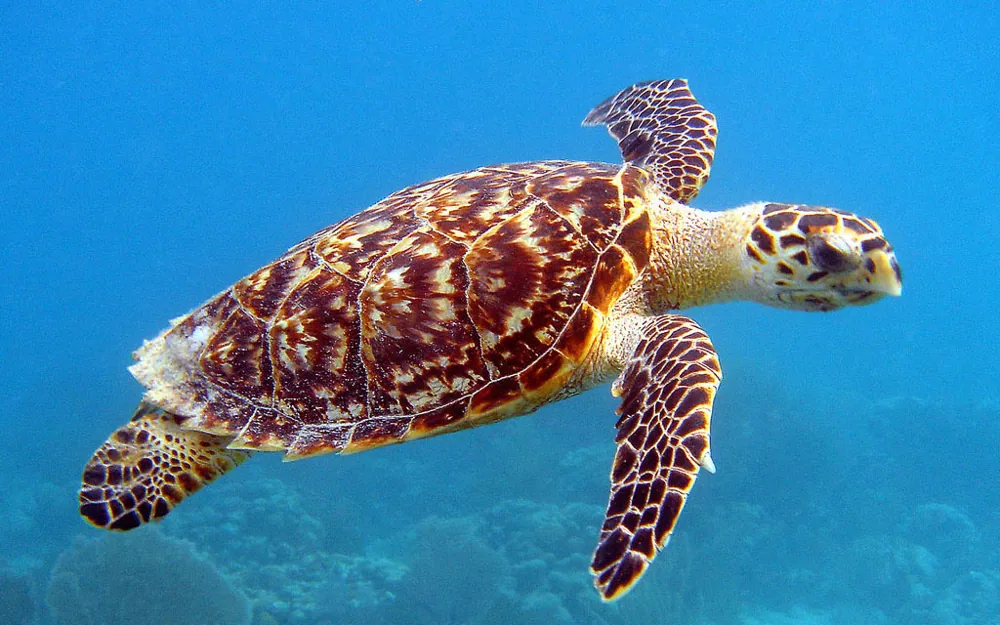
The hawksbill sea turtle is a sea turtle with a sharp, hooked beak and a shell with a saw-edged rear. It lives mainly in warm tropical reefs in the Atlantic, Indian and Pacific Oceans. It is critically endangered, and its flesh can become toxic to eat.1


 No anndirte ngal
- Sharp, curving, hooked beak-like mouth1
- Shell edge at the rear looks serrated, like a saw or steak knife1
- Shell has an amber background with light and dark streaks, and black or mottled-brown colours at the sides1
- Two visible claws on each front flipper1
- Shell colour changes slightly with water temperature1
Doole tooke ɓanndu
Ina bonna tan so huunde ñaamii ngal.
Hol no bone mum heewiri e yimɓe?
Bone e yimɓe: Bone sanneIna waawi warde neɗɗo mo safraaka.The main risk to people is from eating its flesh, which can become toxic after the turtle eats venomous cnidarians (jellyfish-like animals). The sources give no figures for illness or deaths.1
Hol ko ngal waɗata so ina hula?
It uses its strong shell to squeeze into tight spaces in reefs, and it may seek places where it can camouflage or hide from predators.1
 So neɗɗo meemii ngal walla ñaamii ngal
- So neɗɗo ñaamii ɗum walla ina jogii maandeeji caggal ñaamde ɗum: noddu nimero urgence walla centre antipoison ɗoo e sahaa oo.
Adii fof noddu nimero urgence (112, 000, 911). Ɗum ko anndinal ballal adiingal, wonaa saaraangal doktoor. Ko adii e ballal adiingal
 Reen hoore maa
- Wota a meem, wota a nanngu, wota a ñiŋŋu kullal ladde haa abada, hay so ngal ina famɗi, hay so ina nanndi e ɗaaniingal walla maayngal.
- Accu ngal nokku. So a fotti e ngal, deƴƴu, ruttu ɓaawo seeɗa seeɗa, accu ngal yaha laawol mum.
- So a meemii ngal walla a ñaamii ngal: wota a moomtu gite maa walla hunduko maa, loot juuɗe maa, heɓ ballal cafrol.
Ngal faalaaka gaañde ma. Tooke mum woni tan ngam wota huunde ñaam ngal. Ɓeydu anndude no reentortoo
Hol to e aduna?
Hol no mawniri?
Hol no juutiri?
Hol no teddiri?

 juutde no ulluuɗi galle 2, hinere haa lawol
 juutde no banaanaaji 6 sammondiraaɗi
 ina waawi yoowde juuteendi pisin mawɗo (50 m) e segonde 7,5
Hol no Hawksbill sea turtle mawniri, so fooɗondiraama e AN?
Limgal tan e navigatoor maa. Alaa ko danndetee walla ko neldetee.
Hol no yaawiri?

Humpito
It is biofluorescent and is the first reptile recorded with this trait, meaning it glows under certain light.1
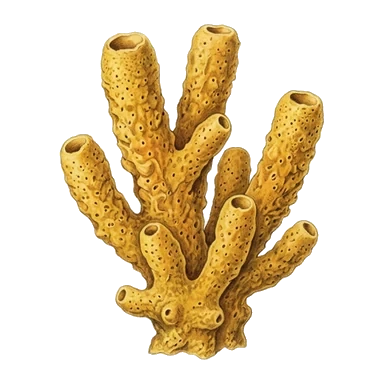
Some sponges it eats are highly toxic to other animals, and it can eat them without harm.1
It closes its unprotected eyes when feeding on stinging animals, and the Portuguese man o' war's stinging cells cannot pierce its armoured head.1
Sponges make up most of its food, which makes it the only primarily sponge-eating reptile among sea turtles.1
Its shell was the main source of tortoiseshell used for decorative items.1
In the eastern Pacific, it nests and feeds mainly in mangrove estuaries rather than on reefs.1
Ngam ganduɓe tooke
- Innde ganndal
- Eretmochelys imbricata
- Fedde
- Kulle goɗɗe jogiiɗe tooke ɓanndu
- Ɓesngu
- Cheloniidae2
- Ordre
- Testudines
- Leyɗe mawɗe
- Geec Pasifik, Geec Atlantik, Geec Enndo, Geec Boɗeejo, Geec Karayib, Geec Korayl, Geec Siin Worgo, Geec Filipiin, Gulf Meksik, Geec Andaman, Geec Arabi e Gulf Persik, Geec Timor e Arafura, Gulf Bengal, Gulf Kaliforni, Geece mawɗe
- Ɓiɓɓe tokooso
- Hawksbills nest on beaches, and young hatch from the nests. In 2018, around 120 juveniles recently hatched at Pulau Satumu, Singapore.1
- Hol no ngal woniri e ladde
- Critically endangered1
- Bone e yimɓe
- 4 / 5: Bone sanne3
Ɗo humpito iwri
- Hawksbill sea turtle (Wikipedia (CC BY-SA 4.0))
- Eretmochelys imbricata (iNaturalist): inɗe e ceergal.
- Venom Wiki: tolno bone, mawnude heewnde e miijo yaawde ko amen. Yiy no men keɓirta ɗum: No men tolnirta bone.
Kala humpito e ngoo hello ina jogii limoore hollirnde iwdi mum. So men juumii, yaafo, men ko yiɗɓe kulle, wonaa jaaynde ganndal. Wiy men e [email protected], men feewnita.
 Yaare nden ina weelaa! Venom Wiki ko golle neɗɗo gooto: yoɓetaake, alaa ko jeeyetee, alaa rewɓe. Ndokkal seeɗa ina walla ngam heddude e enternet.Ñaam yaare nden
Goɗɗe e nder fedde wootere: Kulle goɗɗe jogiiɗe tooke ɓanndu
 Liingu puffer SapoŋKulle goɗɗe jogiiɗe tooke ɓannduBareejo
 Greenland sharkKulle goɗɗe jogiiɗe tooke ɓannduIna muusi tan
 Silver-cheeked toadfishKulle goɗɗe jogiiɗe tooke ɓannduBareejo
 Blackspotted pufferKulle goɗɗe jogiiɗe tooke ɓannduIna waawi warde
 White-spotted pufferKulle goɗɗe jogiiɗe tooke ɓannduIna waawi warde
 Long-spine porcupinefishKulle goɗɗe jogiiɗe tooke ɓannduIna sokli doktoor
Ina wuuri kadi e: Geec Pasifik
 Meduus kaaɗe OstaraaliMeduusaaji e kulle geec jukkoojeBareejoWota a meem
 Kokiyaas kone jeografiKokiyaas kone e pulpuujiBareejo
 Pulp mawɗo koode bulaajeKokiyaas kone e pulpuujiBareejo
 Pulp koode bulaaje worgoKokiyaas kone e pulpuujiBareejo
 Irukandji jellyfishMeduusaaji e kulle geec jukkoojeIna waawi wardeWota a meem
 Reef stonefishLiƴƴi jogiiɗi tookeIna waawi wardeWota a meem