
 Afrik
Afrik Aazi
Aazi Orop
Orop Amerik Worgo
 Ostaraali e Oseyaani
 Antarktik
 Geec Pasifik
 Geec Atlantik
 Geec Enndo
 Geec Arktik
 Geec Mediteraane
 Geec Boɗeejo
 Geec Karayib
 Geec Korayl
 Geec Siin Worgo
 Geec Filipiin
 Geec Andaman
 Geec Rewo
 Geec Timor e Arafura
 Gulf Bengal
 Gulf Kaliforni
Yellowtail moth of the mangroves
 Leɓɓe jukkooje
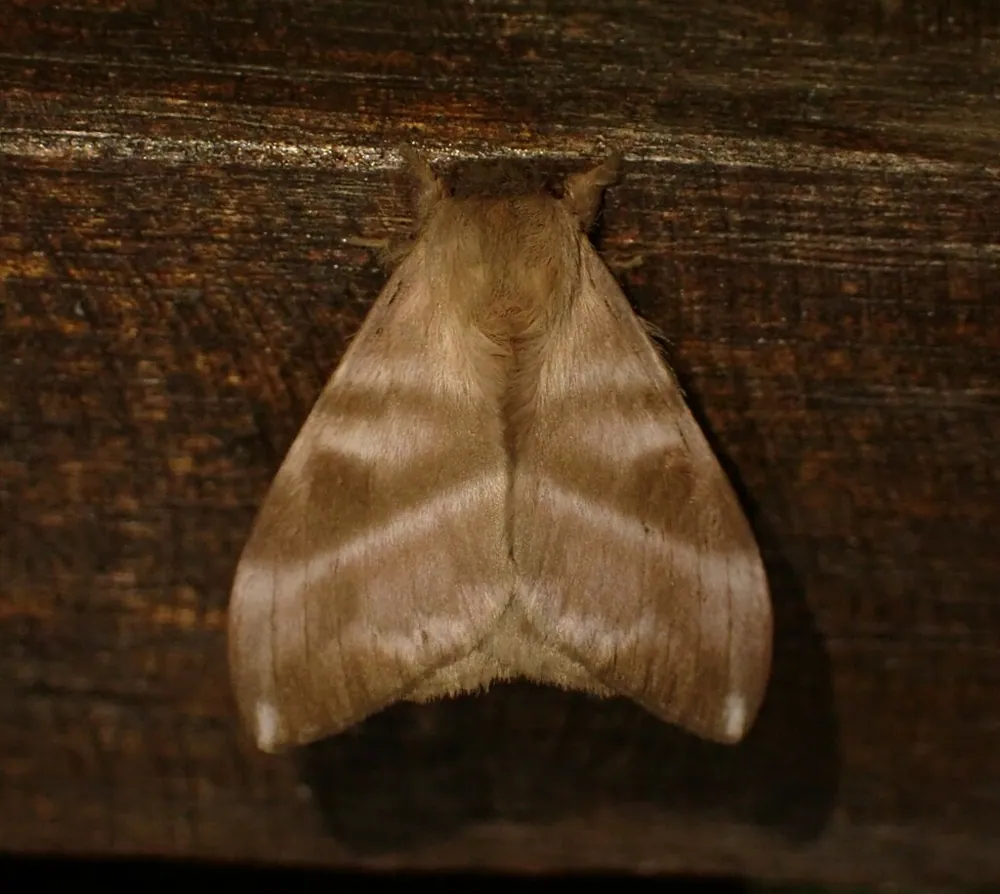
The yellowtail moth, also called the ashen moth, is a moth from northeastern South America. Its hairs can cause a skin rash and itching in people who touch them or breathe them in. It matters because the moths can reach towns, where they gather around lights.1
 No anndirte ngal
Doole tooke
Leɓɓe tokooso ina pelloo e nguru, ina njukka.
Hol no bone mum heewiri e yimɓe?
Bone e yimɓe: MuusɗoIna waawi muusde sanne, kono hertaani wonde huunde mawnde.Contact with the hairs of adult females causes Caripito itch, a skin condition. The hairs can also be carried into the air when moths swarm near towns, causing severe hives and dermatitis with small blisters.1
Hol ko ngal waɗata so ina hula?
Females use their irritating hairs to protect their egg masses from predators such as ants.1
 So a meemii leɓɓe mum
- Ngam leɓɓe ngooɓuuli jukkooje: ittu ɗe e skots ɓataaɗo, refti loot nguru ngu. Wota a moomtu.
- Ngam ŋatgol: loot nokku oo, ɓuuɓnu. Heɓ ballal cafrol so neɗɗo oo ina wiya wonaa e jam, walla ina ƴiiɗa ko newii.
Adii fof noddu nimero urgence (112, 000, 911). Ɗum ko anndinal ballal adiingal, wonaa saaraangal doktoor. Ko adii e ballal adiingal
 Reen hoore maa
- Wota a meem, wota a nanngu, wota a ñiŋŋu kullal ladde haa abada, hay so ngal ina famɗi, hay so ina nanndi e ɗaaniingal walla maayngal.
- Accu ngal nokku. So a fotti e ngal, deƴƴu, ruttu ɓaawo seeɗa seeɗa, accu ngal yaha laawol mum.
- So a meemii leɓɓe mum: deƴƴu, wota a dillu, noddu nimero urgence (112, 000, 911) walla yahu opitaal law. Jogo e hakkille no ngal nanndi, natal ina walla.
Ngal faalaaka gaañde ma. Ina huutoroo tooke mum ngam nanngude ñaamdu walla reenaade, ina ɓuri yiɗde suuɗaade. Ɓeydu anndude no reentortoo
Hol to e aduna?
Hol no mawniri?
Hol no juutiri?
 hedde juutde no ñippirde kaayitaaje
 ɓuri kokiyaas ngesa leelde
Hol no Yellowtail moth of the mangroves mawniri, so fooɗondiraama e AN?
Limgal tan e navigatoor maa. Alaa ko danndetee walla ko neldetee.
Hol no yaawiri?

Humpito
Ɗo humpito iwri
- Yellowtail moth (Wikipedia (CC BY-SA 4.0))
- Hylesia metabus (iNaturalist): inɗe e ceergal.
- Venom Wiki: tolno bone, mawnude heewnde e miijo yaawde ko amen. Yiy no men keɓirta ɗum: No men tolnirta bone.
Kala humpito e ngoo hello ina jogii limoore hollirnde iwdi mum. So men juumii, yaafo, men ko yiɗɓe kulle, wonaa jaaynde ganndal. Wiy men e [email protected], men feewnita.
 Yaare nden ina weelaa! Venom Wiki ko golle neɗɗo gooto: yoɓetaake, alaa ko jeeyetee, alaa rewɓe. Ndokkal seeɗa ina walla ngam heddude e enternet.Ñaam yaare nden
Goɗɗe e nder fedde wootere: Ngooɓuuli e ɓuuɓuuli
 Giant silkworm moth caterpillarNgooɓuuli e ɓuuɓuuliIna waawi wardeWota a meem
 Vinchuca kissing bugNgooɓuuli e ɓuuɓuuliIna sokli doktoor
 Venezuelan fire caterpillarNgooɓuuli e ɓuuɓuuliIna waawi wardeWota a meem
 Pararama caterpillarNgooɓuuli e ɓuuɓuuliIna sokli doktoorWota a meem
 Rhodnius kissing bugNgooɓuuli e ɓuuɓuuliIna sokli doktoor
 Milkweed assassin bugNgooɓuuli e ɓuuɓuuliAlaa bone
 Faaɓru tooke kaŋŋe
 Terciopelo
 Brazilian wandering spider
 Eyelash viper
 Golden lancehead
 South American bushmaster