
 Afrika
 Asia
Asia Eropa
Eropa Amerika Selatan
 Australia dan Oseania
 Antarktika
 Samudra Pasifik
 Samudra Atlantik
 Samudra Hindia
 Samudra Arktik
 Laut Tengah
 Laut Merah
 Laut Karibia
 Laut Koral
 Laut Cina Selatan
 Laut Filipina
 Laut Andaman
 Laut Utara
 Laut Timor dan Laut Arafura
 Teluk Benggala
 Teluk California
Tarantula wolf spider
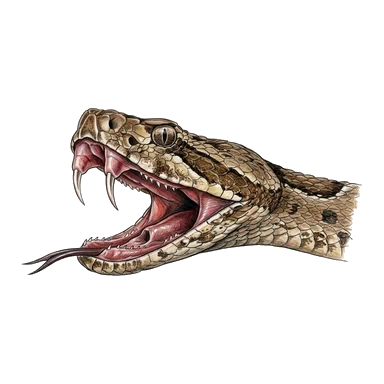 Gigitan
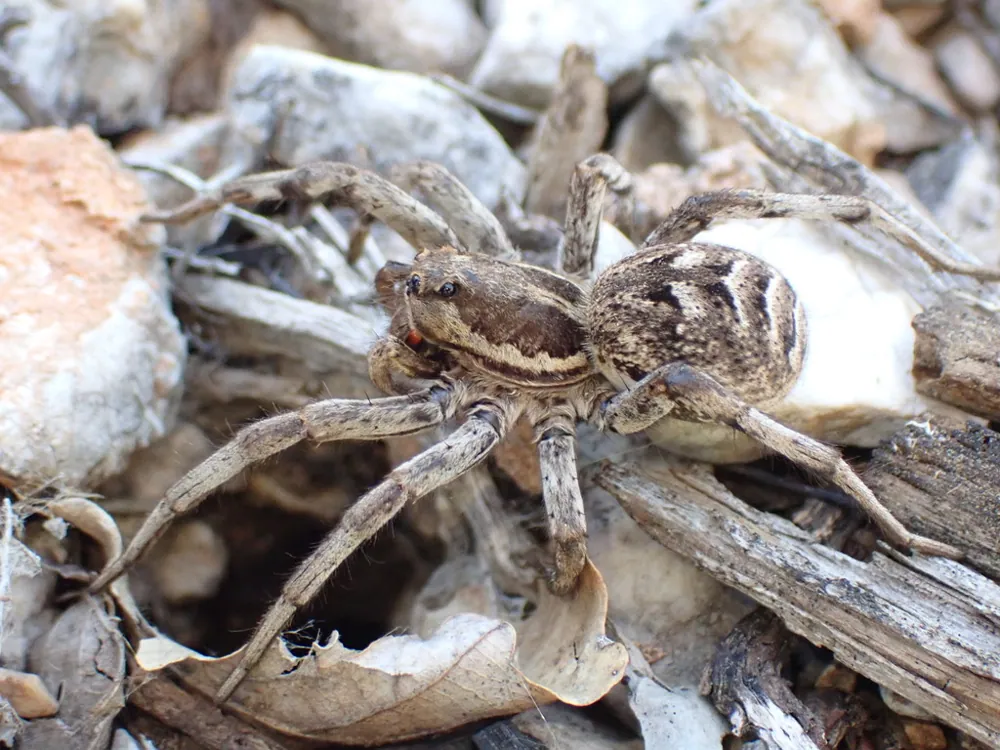
Lycosa tarantula is a large wolf spider that lives mainly in southern Europe, especially in the Apulia region of Italy. It was once called the tarantula, and it gives that name to a famous old folk dance. It hunts at night and tends to keep away from people.1

 Cara mengenalinya
- A large wolf spider. Females can have a body length of up to 3 cm, and males are smaller, at around 1.9 cm.1
- Mostly active at night.1
- Usually found lurking at the mouths of its burrows.1
- Runs very fast and keeps moving, so it is hard to catch.1
Sering tertukar dengan: It is often called a tarantula, but in English that name now more commonly refers to spiders in the Theraphosidae family. This spider is a wolf spider, in the Lycosidae family.1
Kekuatan bisa
Bisanya keluar lewat taring atau gigi saat menggigit.
Apa efek bisanya?
Its venom is made mostly of neurotoxins, which act on the nerves, and venom proteins. The venom is not known to be harmful to people. It has been observed to harm some small vertebrates, so careful handling matters.1
Seberapa berbahaya bagi manusia?
Bahaya bagi manusia: MenyakitkanBisa sangat sakit, tetapi hampir tidak pernah serius.Its bite is not known to cause severe symptoms in humans, and it is not known to endanger human life. Wolf spiders are not among the spider families recognised as posing a serious health risk to people.1
Apa yang dilakukannya saat takut?
When cornered, it does not make threat displays or advance on a hand to bite. Its usual response to a large animal is to flee.1
 Jika ia menggigit
- Cuci gigitan dan kompres dengan es untuk meredakan nyeri. Cari bantuan medis jika nyerinya kuat, menyebar, atau orangnya merasa tidak enak badan.
Selalu hubungi nomor darurat dulu (112, 000, 911). Ini panduan pertolongan pertama umum, bukan nasihat medis. Dasar-dasar pertolongan pertama
 Tetap aman
- Jangan pernah menyentuh, menangkap, atau mengganggu hewan liar, walaupun kecil, dan walaupun tampak tidur atau mati.
- Beri ia ruang. Jika bertemu, tetap tenang, mundur perlahan, dan biarkan ia pergi.
- Jika ia menggigitmu: tetap tenang, jangan bergerak, hubungi nomor darurat (112, 000, 911) atau segera ke rumah sakit. Ingat seperti apa rupanya, foto sangat membantu.
Ia tidak mengincarmu. Ia memakai bisanya untuk menangkap makanan atau melindungi diri, dan ia jauh lebih suka bersembunyi. Lebih lanjut tentang tetap aman
Di mana di dunia?
Seberapa besar dia?
Seberapa panjang dia?
 kira-kira sepanjang penjepit kertas
 bisa menempuh 100 meter dalam 280 detik (manusia tercepat butuh 9,6)
Seberapa besar Tarantula wolf spider dibandingkan KAMU?
Hanya hitungan di browsermu. Tidak ada yang disimpan atau dikirim ke mana pun.
Seberapa cepat dia?


Fakta
Many mating encounters, about one-third in one study, end with the female eating the male.1
The folk dance called the tarantella is linked to an old belief about this spider's bite.1
Females spend their whole lives in their burrows, apart from night-time trips to hunt.1
Wolf spiders have quite good eyesight, so a person is unlikely to approach one unseen.1
Mature males leave their burrows and wander about looking for mates.1
Pembongkar mitos
Mitos: A bite from this spider can cause severe illness called tarantism, which must be treated by dancing.
Faktanya: This was a traditional superstition in Apulia. The bites are not known to cause severe symptoms in humans or to endanger life.1
Untuk ahli bisa
- Nama ilmiah
- Lycosa tarantula
- Kelompok
- Laba-laba
- Keluarga
- Lycosidae2
- Urutan
- Araneae
- Benua
- Eropa
- Anak
- Females carry a silken sac with over 100 eggs attached to their spinnerets. After hatching, the spiderlings climb onto their mother's abdomen and ride around with her until they are mature enough to survive on their own.1
- Umur
- sekitar 4 tahun1
- Bahaya bagi manusia
- 2 / 5: Menyakitkan3
Dari mana faktanya berasal
- Lycosa tarantula (Wikipedia (CC BY-SA 4.0))
- Lycosa tarantula (iNaturalist): nama dan klasifikasi.
- Venom Wiki: tingkat bahaya, ukuran umum, dan perkiraan kecepatan adalah buatan kami. Lihat cara kami menghitungnya: Cara kami menilai bahaya.
Setiap fakta di halaman ini punya nomor yang menunjuk ke sumbernya. Kalau kami salah, maaf ya, kami penggemar hewan, bukan jurnal ilmiah. Beri tahu kami di [email protected] dan kami akan memperbaikinya.
 Kalajengkingnya lapar! Venom Wiki adalah proyek satu orang: gratis, tanpa iklan, dan tanpa pelacak. Tip kecil membantu menjaganya tetap online.Beri makan kalajengking
Lainnya dari kelompok yang sama: Laba-laba
 Mediterranean black widow
 Diving bell spider
 European yellow sac spider
 Noble false widow
 Daddy long-legs spider
 European garden spider
Juga hidup di: Eropa
 Common European adderUlar viper dan adderPerlu ke dokter
 Spanish flyHewan beracun lainnyaPerlu ke dokterJangan sentuh
 Common waspLebah, tawon, dan tabuhanHanya sakit
 European hornetLebah, tawon, dan tabuhanHanya sakit
 Fire salamanderKatak beracun, kodok, dan kadal airHanya sakitJangan sentuh
 Western honey beeLebah, tawon, dan tabuhanHanya sakit