
 Afrịka
 Eshia
Eshia Yurop
Yurop Ndịda Amerika
 Ọstrelia na Oshenia
 Antaktika
 Oké Osimiri Pasifik
 Oké Osimiri Atlantik
 Oké Osimiri India
 Oké Osimiri Arktik
 Osimiri Mediterenian
 Osimiri Uhie
 Osimiri Karibịan
 Osimiri Coral
 Osimiri Ndịda China
 Osimiri Filipin
 Osimiri Andaman
 Osimiri Ugwu (North Sea)
 Osimiri Timor na Arafura
 Ọwara Bengal
 Ọwara California
Asp viper
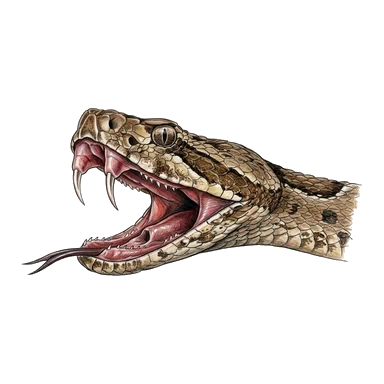 Ịta
ỊtaThe asp viper is a venomous snake of south-western Europe. It lives in warm, sunny places with dry soil, often in hills and rocky areas. Its bite can be more severe than that of the European adder, so it is important to know what it looks like.1
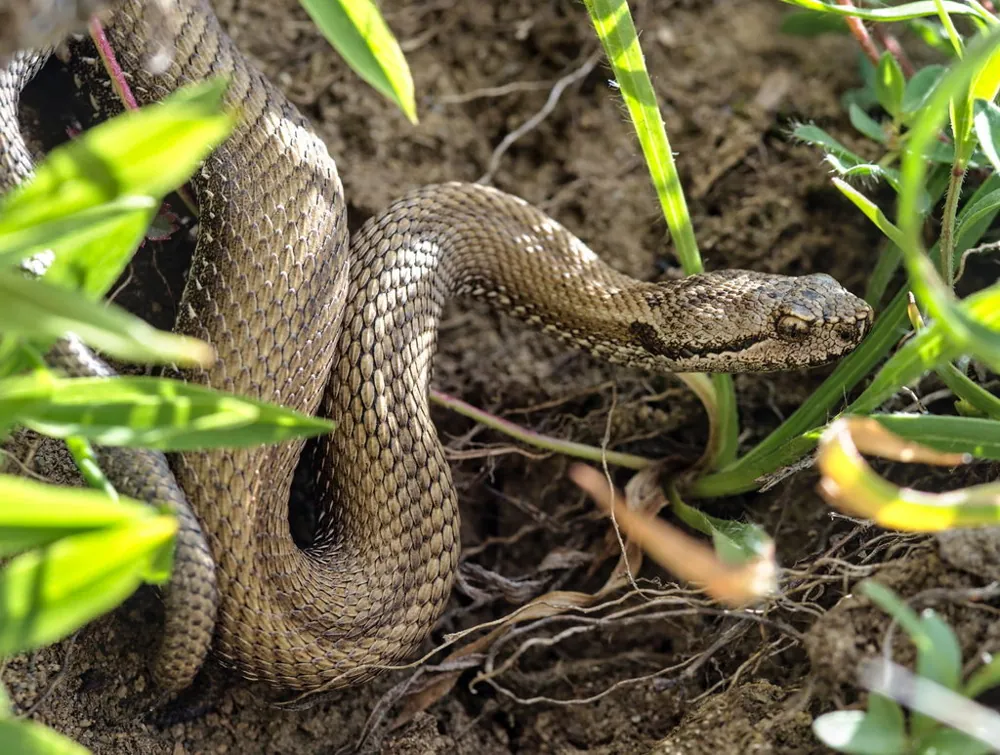
 Otú ị ga-esi mata ya
- Average total length is 60–65 cm. Males can reach 85 cm, while females are rarely longer than 75 cm.1
- The head is broad and triangular, and it is clearly separate from the neck.1
- The tip of the snout is slightly but distinctly turned up.1
- The tail is very short, and males are a little slimmer than females.1
- The pattern on the back varies a lot. It rarely forms a clear zigzag, unlike the European adder.1
A na-agwakọkarị ya na: The European adder (Vipera berus) is a close relative. The asp's back pattern rarely forms a clear zigzag, as the adder's often does. Bites from the asp can be more severe than those from the adder.1
Ike nsị
Nsị na-esi n'eze nsị ya ma ọ bụ eze ya apụta mgbe ọ na-ata.
Gịnị ka nsị ọ na-agba na-eme?
Its venom causes rapidly spreading, severe pain, followed by swelling and skin discolouration. Severe bleeding and tissue death can happen within a few hours. Vision may be badly affected, and in some cases victims developed breathing and swallowing difficulties and paralysis of the bitten limb.1
Kedu otú o si dị egwu nye mmadụ?
Ihe ize ndụ nye mmadụ: Ọ dị njọỊta ya chọrọ dọkịta. Ọnwụ anaghị adịkarị ma ọlị.About 4% of untreated bites are fatal. In Italy, this species causes 90% of snakebite cases and is the only snake in Italian mountains that can be potentially lethal. Its bites can be more severe than those of the European adder.1
 Ọ bụrụ na ọ tara
- Mee ka onye ahụ ghara imegharị ahụ, dịkwa jụụ, debe aka ma ọ bụ ụkwụ ahụ ọ tara n'ogo obi, wepụ mgbanaka na ihe ndị kekọrọ ahụ ike, kpọga ya ụlọ ọgwụ ngwa ngwa.
Na-ebu ụzọ kpọọ nọmba mberede gị mgbe niile (112, 000, 911). Nke a bụ ndụmọdụ enyemaka mbụ n'ozuzu, ọ bụghị ndụmọdụ ọgwụ. Isi ihe enyemaka mbụ
 Nọrọ na nchekwa
- Emetụla anụ ọhịa aka, ejidela ya, emekwala ya ihe ọjọọ, ọbụna obere, ọbụna ma ọ dị ka ọ na-ehi ụra ma ọ bụ nwụọ anwụ.
- Nye ya ohere. Ọ bụrụ na ị zutere otu, dị jụụ, laghachi azụ nwayọ, hapụ ya ka ọ gaa ụzọ ya.
- Ọ bụrụ na otu tara gị: dị jụụ, emegharịla ahụ, kpọọ nọmba mberede gị (112, 000, 911) ma ọ bụ gaa ụlọ ọgwụ ngwa ngwa. Cheta ka o si dị, foto na-enye aka.
Ọ naghị achụ gị. Ọ na-eji nsị ya ejide nri ma ọ bụ chebe onwe ya, ọ ga-akakwa mma n'anya ya ịzo onwe ya. Ihe ndị ọzọ gbasara ịnọ na nchekwa
Ọ hà aṅaa?
Kedu otú o si dị ogologo?
 dị ogologo dị ka nwamba ụlọ 1.5 site n'imi ruo n'ọdụ
 dị ogologo dị ka unere 5 a tọgbọrọ n'ahịrị
 nwere ike ịgba ọsọ mita 100 n'ime sekọnd 110 (mmadụ kacha ọsọ chọrọ 9,6)
Kedu otú Asp viper si hà ma e jiri ya tụnyere GỊ?
Naanị mgbakọ na mwepụ n'ime browser gị. Ọ dịghị ihe echekwara ma ọ bụ ezigara ebe ọ bụla.
Kedu otú o si agba ọsọ?


Eziokwu
Ancient writers named the snake that supposedly killed Queen Cleopatra as an asp. Experts think a cobra would have been too big, over 5 feet long, to smuggle in a basket.1
In the past, the word "asp" was used to mean any venomous snake.1
In 2006, a number of these vipers were found in a wooded area near Poortugaal in the Netherlands. The species is not native there, so it was probably released or escaped.1
Asp vipers have been found at over 2,100 m above sea level in the Pyrenees, even though they are not strongly linked to high altitudes.1
The venom yield is relatively low. One study recorded a daily extraction of 9–10 mg.1
Onye na-ekpughe akụkọ ụgha
Akụkọ ụgha: Queen Cleopatra was killed by a cobra.
Eziokwu: Ancient sources named the snake an asp. Experts think a cobra would have been too big to smuggle in a basket.1
Ebe eziokwu ndị a si
- Vipera aspis (Wikipedia (CC BY-SA 4.0))
- Vipera aspis (iNaturalist): aha na nhazi ọkwa.
- Venom Wiki: ọkwa ihe ize ndụ, nha nkịtị na nchepụta ọsọ bụ nke anyị. Lee otú anyị si achọpụta ha: Otú anyị si atụ ihe ize ndụ.
Eziokwu ọ bụla dị na peeji a nwere nọmba na-egosi ebe o si. Ọ bụrụ na anyị mehiere ihe, ndo, anyị bụ ndị hụrụ anụmanụ n'anya, ọ bụghị akwụkwọ akụkọ sayensị. Gwa anyị na [email protected], anyị ga-edozi ya.
 Akpị agụụ na-agụ! Venom Wiki bụ ọrụ otu onye: n'efu, na-enweghị mgbasa ozi na ndị na-esochi gị. Obere onyinye na-enyere aka idebe ya n'ịntanetị.Nye akpị nri
Ndị ọzọ si n'otu ahụ: Viper na adder
 Common European adder
 Blunt-nosed viper
 Nose-horned viper
 Ottoman viper
 Lataste's viper
 Meadow viper
Ọ na-ebikwa na: Yurop
 Spanish flyAnụmanụ ndị ọzọ nwere nsị n'ahụỌ chọrọ dọkịtaEmetụla ya aka
 Common waspAṅụ, ebu na ebu ukwuNaanị na-afụ ụfụ
 European hornetAṅụ, ebu na ebu ukwuNaanị na-afụ ụfụ
 Fire salamanderAwọ nsị, awọ ala na newtNaanị na-afụ ụfụEmetụla ya aka
 Western honey beeAṅụ, ebu na ebu ukwuNaanị na-afụ ụfụ
 Mediterranean black widowUdudoỌ chọrọ dọkịta