
 Afrịka
 Eshia
Eshia Yurop
Yurop Ndịda Amerika
 Ọstrelia na Oshenia
 Antaktika
 Oké Osimiri Pasifik
 Oké Osimiri Atlantik
 Oké Osimiri India
 Oké Osimiri Arktik
 Osimiri Mediterenian
 Osimiri Uhie
 Osimiri Karibịan
 Osimiri Coral
 Osimiri Ndịda China
 Osimiri Filipin
 Osimiri Andaman
 Osimiri Ugwu (North Sea)
 Osimiri Timor na Arafura
 Ọwara Bengal
 Ọwara California
Common quail
 Nwere nsị ma e rie yaNri ya: Ntakịrị ihe niileNwere nsị n'ahụ, ọ naghị agba nsị
The common quail is a small, plump ground-nesting bird. It breeds across Europe and North Africa and spends the winter in Africa and southern India. Its meat can be poisonous, so it is a bird where a little knowledge matters.1
 Otú ị ga-esi mata ya
- A small, compact bird about 16 to 18 cm long1
- Streaked brown plumage with a white eyestripe1
- Males have a white chin1
- Long wings, unlike most game birds1
- A call of three repeated chirps, and the male's song sounds like 'wet-my-lips'1
A na-agwakọkarị ya na: The Japanese quail (Coturnix japonica), native to Asia, looks very similar. Its call is very different from that of the common quail, which is the best way to tell them apart.1
Ike nsị
Ọ na-emerụ ahụ naanị ma ihe riri ya.
Gịnị ka nsị dị n'ahụ ya na-eme?
This bird is not venomous. Its meat can be poisonous if the birds have eaten certain plants, although which plants is still debated. The resulting illness, called coturnism, causes muscle soreness and may lead to kidney failure.1
Kedu otú o si dị egwu nye mmadụ?
Ihe ize ndụ nye mmadụ: Na-afụ ụfụỌ nwere ike ịfụ ụfụ nke ukwuu, mana ọ naghị adịkarị njọ.One in four people who eat poisonous quail meat become ill with coturnism. The illness can lead to kidney failure.1
Gịnị ka ọ na-eme mgbe ụjọ tụrụ ya?
When flushed, it keeps low and soon drops back into cover. It would rather creep away than fly.1
 Ọ bụrụ na mmadụ metụrụ ya aka ma ọ bụ rie ya
- Ọ bụrụ na mmadụ riri ya ma ọ bụ nwee mgbaàmà mgbe o risịrị ya: kpọọ nọmba mberede gị ma ọ bụ ụlọ ọrụ ndụmọdụ nsị (poison centre) ozugbo.
Na-ebu ụzọ kpọọ nọmba mberede gị mgbe niile (112, 000, 911). Nke a bụ ndụmọdụ enyemaka mbụ n'ozuzu, ọ bụghị ndụmọdụ ọgwụ. Isi ihe enyemaka mbụ
 Nọrọ na nchekwa
- Emetụla anụ ọhịa aka, ejidela ya, emekwala ya ihe ọjọọ, ọbụna obere, ọbụna ma ọ dị ka ọ na-ehi ụra ma ọ bụ nwụọ anwụ.
- Nye ya ohere. Ọ bụrụ na ị zutere otu, dị jụụ, laghachi azụ nwayọ, hapụ ya ka ọ gaa ụzọ ya.
- Ọ bụrụ na i metụrụ ya aka ma ọ bụ rie ya: ehichala anya gị ma ọ bụ ọnụ gị, saa aka gị, chọọkwa enyemaka ọgwụ.
Ọ naghị achụ gị. Nsị ya dị naanị ka ihe ọ bụla ghara iri ya. Ihe ndị ọzọ gbasara ịnọ na nchekwa
Ọ hà aṅaa?
Kedu otú o si dị ogologo?
Kedu otú o si dị arọ?

 dị ogologo dị ka blọk egwuregwu 6 n'ahịrị
 nwere ike ife gafee ọdụ egwuregwu bọọlụ dum n'ime sekọnd 9.5
Kedu otú Common quail si hà ma e jiri ya tụnyere GỊ?
Naanị mgbakọ na mwepụ n'ime browser gị. Ọ dịghị ihe echekwara ma ọ bụ ezigara ebe ọ bụla.
Kedu otú o si agba ọsọ?


Eziokwu
Huge numbers are caught in nets along the Mediterranean coast of Egypt. An estimated 12.9 million birds were caught across Egypt in 2012 during the autumn migration.1
In 1537, Queen Jane Seymour, third wife of Henry VIII, developed a strong craving for quail. Courtiers and diplomats abroad were ordered to find supplies for her.1
The Book of Numbers in the Bible describes a huge mass of quails blown in by a wind, which the Israelites took as meat in the wilderness.1
Common quails are strongly migratory, unlike most game birds.1
The young can leave the nest and feed themselves shortly after hatching, and they stay with the family group for 30 to 50 days.1
Maka ndị ọkachamara nsị
- Aha sayensị
- Coturnix coturnix
- Otu
- Anụmanụ ndị ọzọ nwere nsị n'ahụ
- Ezinụlọ
- Phasianidae2
- Usoro
- Galliformes
- Kọntinent dị iche iche
- Yurop, Eshia, Afrịka
- Ụmụ ọhụrụ
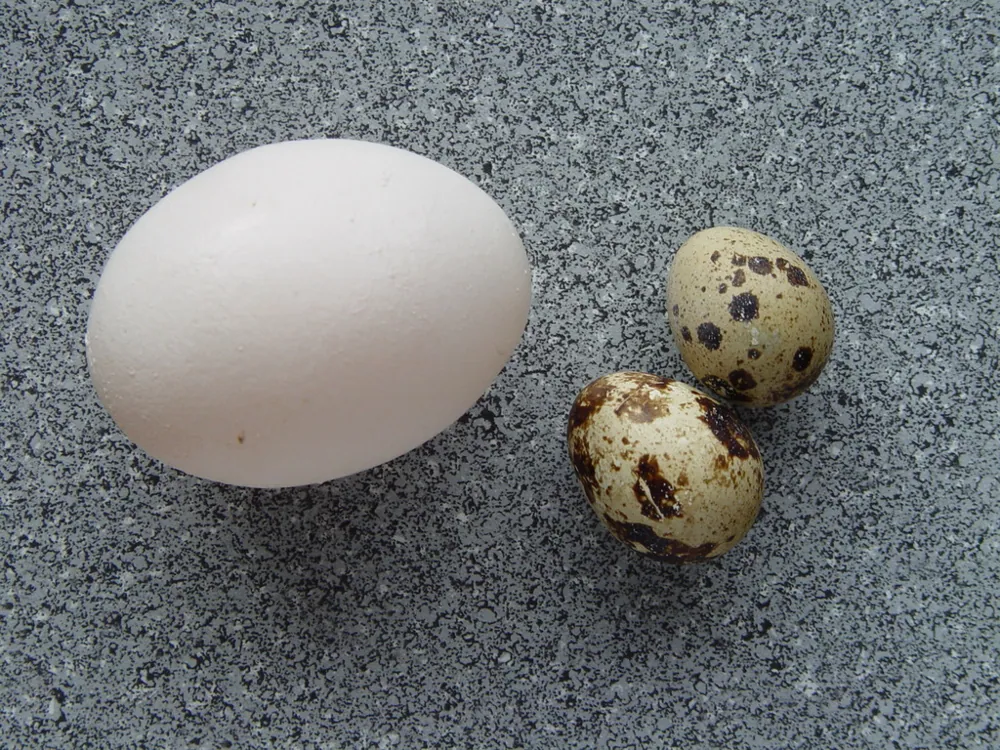
- The female lays a clutch of 8 to 13 eggs, one every 24 hours, in a shallow scrape on the ground. The chicks hatch together after 17 to 20 days and can feed themselves soon after hatching.1
- Otú ọ na-eme n'ọhịa
- Least concern (IUCN)1
- Ihe ize ndụ nye mmadụ
- 2 / 5: Na-afụ ụfụ3
Ebe eziokwu ndị a si
- Common quail (Wikipedia (CC BY-SA 4.0))
- Coturnix coturnix (iNaturalist): aha na nhazi ọkwa.
- Venom Wiki: ọkwa ihe ize ndụ, nha nkịtị na nchepụta ọsọ bụ nke anyị. Lee otú anyị si achọpụta ha: Otú anyị si atụ ihe ize ndụ.
Eziokwu ọ bụla dị na peeji a nwere nọmba na-egosi ebe o si. Ọ bụrụ na anyị mehiere ihe, ndo, anyị bụ ndị hụrụ anụmanụ n'anya, ọ bụghị akwụkwọ akụkọ sayensị. Gwa anyị na [email protected], anyị ga-edozi ya.
 Akpị agụụ na-agụ! Venom Wiki bụ ọrụ otu onye: n'efu, na-enweghị mgbasa ozi na ndị na-esochi gị. Obere onyinye na-enyere aka idebe ya n'ịntanetị.Nye akpị nri
Ndị ọzọ si n'otu ahụ: Anụmanụ ndị ọzọ nwere nsị n'ahụ
 Spanish flyAnụmanụ ndị ọzọ nwere nsị n'ahụỌ chọrọ dọkịtaEmetụla ya aka
 African crested ratAnụmanụ ndị ọzọ nwere nsị n'ahụỌ chọrọ dọkịtaEmetụla ya aka
 Green spotted pufferAnụmanụ ndị ọzọ nwere nsị n'ahụỌ chọrọ dọkịta
 Spur-winged gooseAnụmanụ ndị ọzọ nwere nsị n'ahụNaanị na-afụ ụfụ
 Cinnabar mothAnụmanụ ndị ọzọ nwere nsị n'ahụAdịghị njọ
 Fahaka pufferfishAnụmanụ ndị ọzọ nwere nsị n'ahụNwere ike igbu mmadụ
Ọ na-ebikwa na: Yurop
 Common European adderViper na adderỌ chọrọ dọkịta
 Common waspAṅụ, ebu na ebu ukwuNaanị na-afụ ụfụ
 European hornetAṅụ, ebu na ebu ukwuNaanị na-afụ ụfụ
 Fire salamanderAwọ nsị, awọ ala na newtNaanị na-afụ ụfụEmetụla ya aka
 Western honey beeAṅụ, ebu na ebu ukwuNaanị na-afụ ụfụ
 Blunt-nosed viperViper na adderNwere ike igbu mmadụ