
 Afrịka
 Eshia
Eshia Yurop
Yurop Ndịda Amerika
 Ọstrelia na Oshenia
 Antaktika
 Oké Osimiri Pasifik
 Oké Osimiri Atlantik
 Oké Osimiri India
 Oké Osimiri Arktik
 Osimiri Mediterenian
 Osimiri Uhie
 Osimiri Karibịan
 Osimiri Coral
 Osimiri Ndịda China
 Osimiri Filipin
 Osimiri Andaman
 Osimiri Ugwu (North Sea)
 Osimiri Timor na Arafura
 Ọwara Bengal
 Ọwara California
Dugite
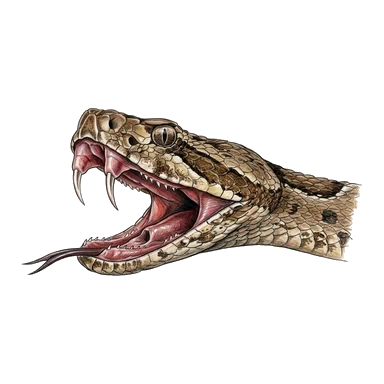 Ịta
ỊtaThe dugite is a highly venomous snake found in southern Western Australia and in remote coastal parts of western South Australia. Its venom is potentially one of the most lethal in the world, so it is a snake to treat with great respect. It is common in and around Perth, where it often shelters near buildings.1
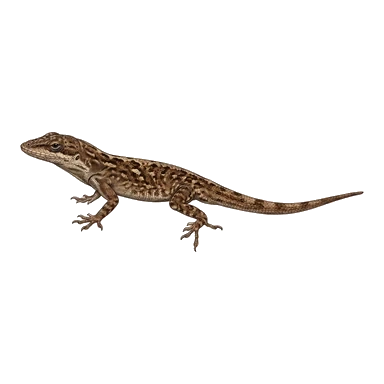

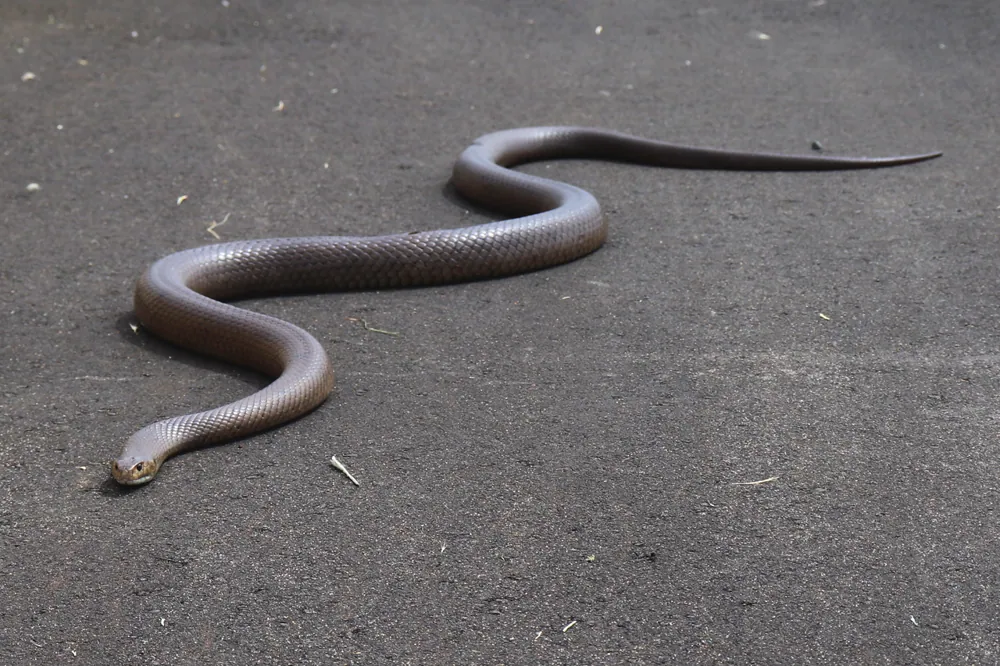
 Otú ị ga-esi mata ya
- Coloured grey, green or brown, but the colours vary widely between individuals, so colour alone is not a reliable guide.1
- Black scales may be scattered over the body.1
- Relatively large scales with a semi-glossy look.1
- The head is rather small and not clearly separate from the neck.1
- Long and slender body, typically about 1.5 metres in total length.1
Ike nsị
Nsị na-esi n'eze nsị ya ma ọ bụ eze ya apụta mgbe ọ na-ata.
Gịnị ka nsị ọ na-agba na-eme?
The venom has coagulopathic and procoagulant effects, meaning it disturbs the way blood clots. It is potentially one of the most lethal venoms in the world. In a 2011 case, a boy bitten by a dugite was temporarily paralysed, showing that the venom can affect the nerves and muscles as well as the blood.1
Kedu otú o si dị egwu nye mmadụ?
Ihe ize ndụ nye mmadụ: Ọ dị egwu nke ukwuuỌ nwere ike igbu onye na-enwetaghị ọgwụgwọ.Dugites are potentially lethal. They generally avoid biting people, but the risk of encounters rises during the mating season in October and November. The last recorded human death attributed to a dugite was in August 2015 in South Fremantle. In 2011 a seven-year-old boy was bitten and temporarily paralysed, and he made a full recovery.1
 Ozi ọma: ndị dọkịta nwere ọgwụ (antivenom) ma ọ bụ ọgwụgwọ maka nke a.1
Gịnị ka ọ na-eme mgbe ụjọ tụrụ ya?
When disturbed they are very shy and often slither away, but they will defend themselves if cornered.1
 Ọ bụrụ na ọ tara
- Prompt medical attention is essential after a bite. In a December 2020 case, a three-year-old girl bitten by a snake believed to be a dugite was quickly immobilised by her grandmother, who wrapped her legs in pressure bandages. She was treated with antivenom in hospital and made a full recovery.1
- Mkpakọ na nkwụsi ahụ (pressure immobilisation): jiri bandeji na-agbatị agbatị (elastic bandage) kee ebe ọ tara nke ọma, wee kee ya gaa n'elu aka ma ọ bụ ụkwụ ahụ niile, jiri splint (osisi nkwado) kwado ya, mee ka onye ahụ ghara imegharị ahụ ma ọlị ruo mgbe enyemaka bịarutere.
- Asala ebe ọ tara: ụlọ ọgwụ nwere ike ịnwale nsị fọdụrụ n'akpụkpọ ahụ iji họrọ ọgwụ mgbochi nsị (antivenom) kwesịrị ekwesị.
Na-ebu ụzọ kpọọ nọmba mberede gị mgbe niile (112, 000, 911). Nke a bụ ndụmọdụ enyemaka mbụ n'ozuzu, ọ bụghị ndụmọdụ ọgwụ. Isi ihe enyemaka mbụ
 Nọrọ na nchekwa
- Emetụla anụ ọhịa aka, ejidela ya, emekwala ya ihe ọjọọ, ọbụna obere, ọbụna ma ọ dị ka ọ na-ehi ụra ma ọ bụ nwụọ anwụ.
- Nye ya ohere. Ọ bụrụ na ị zutere otu, dị jụụ, laghachi azụ nwayọ, hapụ ya ka ọ gaa ụzọ ya.
- Ọ bụrụ na otu tara gị: dị jụụ, emegharịla ahụ, kpọọ nọmba mberede gị (112, 000, 911) ma ọ bụ gaa ụlọ ọgwụ ngwa ngwa. Cheta ka o si dị, foto na-enye aka.
Ọ naghị achụ gị. Ọ na-eji nsị ya ejide nri ma ọ bụ chebe onwe ya, ọ ga-akakwa mma n'anya ya ịzo onwe ya. Ihe ndị ọzọ gbasara ịnọ na nchekwa
Ọ hà aṅaa?
Kedu otú o si dị ogologo?
 dị ogologo dị ka nwamba ụlọ 4 site n'imi ruo n'ọdụ
 dị ogologo dị ka unere 11 a tọgbọrọ n'ahịrị
 nwere ike ịgba ọsọ mita 100 n'ime sekọnd 46 (mmadụ kacha ọsọ chọrọ 9,6)
Kedu otú Dugite si hà ma e jiri ya tụnyere GỊ?
Naanị mgbakọ na mwepụ n'ime browser gị. Ọ dịghị ihe echekwara ma ọ bụ ezigara ebe ọ bụla.
Kedu otú o si agba ọsọ?


Eziokwu
Its venom is potentially one of the most lethal in the world.1
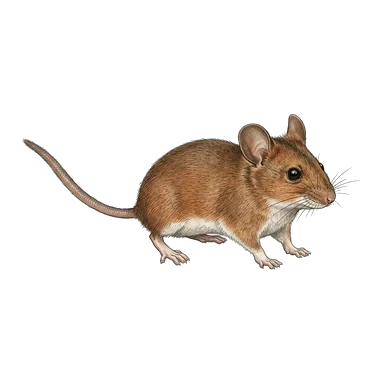
Dugites have become more common because of the house mouse, which is one of their main foods.1
Dugites can lay two clutches of eggs in the same season when conditions are good.1
The Irish activist John Boyle O'Reilly wrote a poem called The Dukite Snake, published in his 1878 collection Songs, Legends and Ballads, based on a bushman's myth.1
In winter, dugites burrow.1
Onye na-ekpughe akụkọ ụgha
Akụkọ ụgha: Dugites are aggressive and will chase people.
Eziokwu: Dugites are very shy and usually slither away when disturbed. They generally avoid biting people, but they will defend themselves if cornered.1
Maka ndị ọkachamara nsị
- Aha sayensị
- Pseudonaja affinis
- Otu
- Agwọ Ọstrelia
- Ezinụlọ
- Elapidae2
- Usoro
- Squamata
- Kọntinent dị iche iche
- Ọstrelia na Oshenia
- Ụmụ ọhụrụ
- Dugites lay eggs, typically around 30 at a time, and leave them to hatch on their own after about 65 days. Under good conditions, they can lay two clutches in one season.1
- Ihe ize ndụ nye mmadụ
- 4 / 5: Ọ dị egwu nke ukwuu3
Ebe eziokwu ndị a si
- Dugite (Wikipedia (CC BY-SA 4.0))
- Pseudonaja affinis (iNaturalist): aha na nhazi ọkwa.
- Venom Wiki: ọkwa ihe ize ndụ, nha nkịtị na nchepụta ọsọ bụ nke anyị. Lee otú anyị si achọpụta ha: Otú anyị si atụ ihe ize ndụ.
Eziokwu ọ bụla dị na peeji a nwere nọmba na-egosi ebe o si. Ọ bụrụ na anyị mehiere ihe, ndo, anyị bụ ndị hụrụ anụmanụ n'anya, ọ bụghị akwụkwọ akụkọ sayensị. Gwa anyị na [email protected], anyị ga-edozi ya.
 Akpị agụụ na-agụ! Venom Wiki bụ ọrụ otu onye: n'efu, na-enweghị mgbasa ozi na ndị na-esochi gị. Obere onyinye na-enyere aka idebe ya n'ịntanetị.Nye akpị nri
Ndị ọzọ si n'otu ahụ: Agwọ Ọstrelia
 Coastal taipan
 Common death adder
 Eastern brown snake
 Taipan nke ime obodo
 Agwọ agụ
 Collett's snake
.png)
Ọ na-ebikwa na: Ọstrelia na Oshenia
 Sydney funnel-web spiderTarantula na funnel-webNa-egbu egbu
 Redback spiderUdudoỌ chọrọ dọkịta
 Brown tree snakeAgwọ nwere eze nsị n'azụ ọnụNaanị na-afụ ụfụ
 Hooded pitohuiAnụmanụ ndị ọzọ nwere nsị n'ahụNaanị na-afụ ụfụEmetụla ya aka
 PlatypusAnụ na-enye ara na-agba nsịNaanị na-afụ ụfụ
 Northern tree-dwelling funnel-web spiderTarantula na funnel-webNa-egbu egbu