
 Afrịka
 Eshia
Eshia Yurop
Yurop Ndịda Amerika
 Ọstrelia na Oshenia
 Antaktika
 Oké Osimiri Pasifik
 Oké Osimiri Atlantik
 Oké Osimiri India
 Oké Osimiri Arktik
 Osimiri Mediterenian
 Osimiri Uhie
 Osimiri Karibịan
 Osimiri Coral
 Osimiri Ndịda China
 Osimiri Filipin
 Osimiri Andaman
 Osimiri Ugwu (North Sea)
 Osimiri Timor na Arafura
 Ọwara Bengal
 Ọwara California
Fire urchin
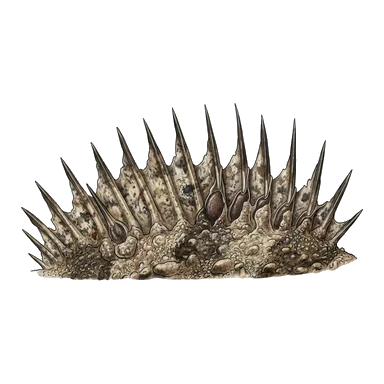 Mkpu na-agba nsị
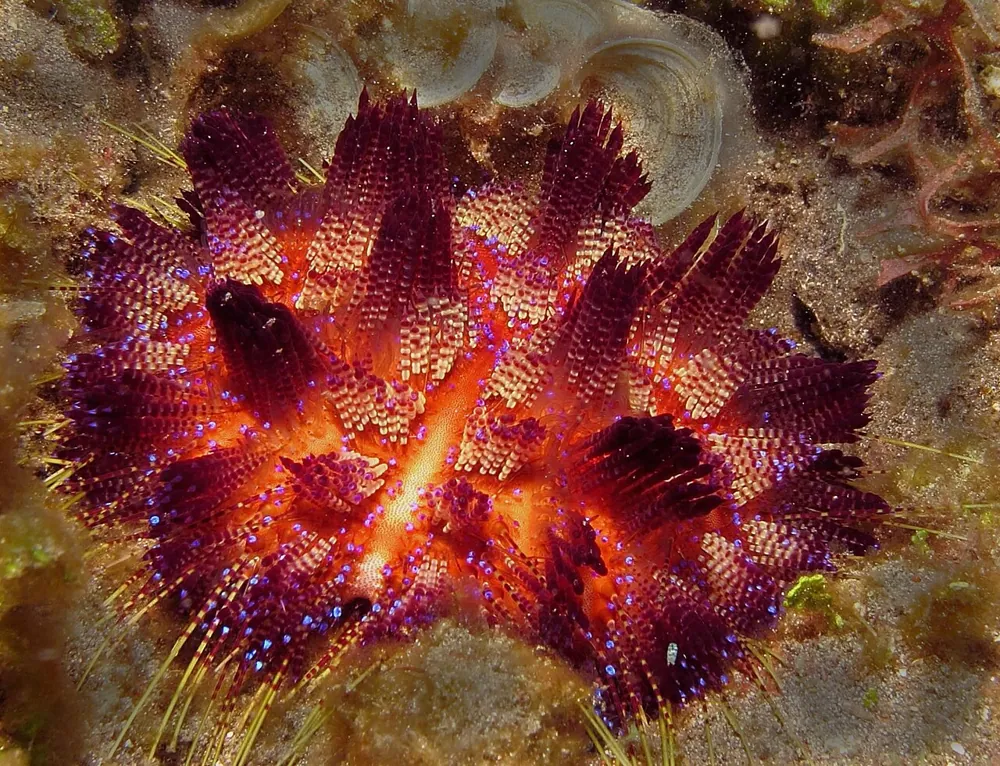
The fire urchin is a large sea urchin that grows up to 25 cm across. It lives on sand and rubble sea floors and in coral areas across the Indo-Pacific. Its venomous spines can give a painful sting, so it is best left alone.1
 Otú ị ga-esi mata ya
Ike nsị
Mkpu dị nkọ na-ebu nsị ahụ. Ịzọ ya ụkwụ ma ọ bụ ijide ya na-afụ ụfụ.
Gịnị ka nsị ọ na-agba na-eme?
Each venomous spine has several hollow, spherical capsules filled with toxin, separated by constrictions. These work like hypodermic syringes, injecting the toxin when the spines pierce the skin. The sting is painful and the pain can last several hours.1
Kedu otú o si dị egwu nye mmadụ?
Ihe ize ndụ nye mmadụ: Ọ dị njọỌ bụrụ na mkpu ya dụrụ gị, gaa n'ebe dọkịta. Ọnwụ anaghị adịkarị ma ọlị.Handling the urchin can cause a painful sting. The pain can last several hours.1
Gịnị ka ọ na-eme mgbe ụjọ tụrụ ya?
Its bright colouration warns other animals that its spines are venomous.1
 Ọ bụrụ na mkpu ya dụrụ gị
- Tinye ọnya ahụ n'ime mmiri ọkụ, nke ọkụ dị ka onye ahụ nwere ike ịnagide n'ere ya ọkụ, chọọkwa enyemaka ọgwụ iji wepụ mkpu ndị ahụ. Egwula ha n'onwe gị.
Na-ebu ụzọ kpọọ nọmba mberede gị mgbe niile (112, 000, 911). Nke a bụ ndụmọdụ enyemaka mbụ n'ozuzu, ọ bụghị ndụmọdụ ọgwụ. Isi ihe enyemaka mbụ
 Nọrọ na nchekwa
- Emetụla anụ ọhịa aka, ejidela ya, emekwala ya ihe ọjọọ, ọbụna obere, ọbụna ma ọ dị ka ọ na-ehi ụra ma ọ bụ nwụọ anwụ.
- Nye ya ohere. Ọ bụrụ na ị zutere otu, dị jụụ, laghachi azụ nwayọ, hapụ ya ka ọ gaa ụzọ ya.
- Ọ bụrụ na mkpu ya dụrụ gị: dị jụụ, emegharịla ahụ, kpọọ nọmba mberede gị (112, 000, 911) ma ọ bụ gaa ụlọ ọgwụ ngwa ngwa. Cheta ka o si dị, foto na-enye aka.
Ọ naghị achụ gị. Ọ na-eji nsị ya ejide nri ma ọ bụ chebe onwe ya, ọ ga-akakwa mma n'anya ya ịzo onwe ya. Ihe ndị ọzọ gbasara ịnọ na nchekwa
Ebee n'ụwa?
Ọ hà aṅaa?
Kedu otú o si dị ogologo?
 dị ogologo dị ka blọk egwuregwu 8 n'ahịrị
 nwayọ karịa ejula ubi
Kedu otú Fire urchin si hà ma e jiri ya tụnyere GỊ?
Naanị mgbakọ na mwepụ n'ime browser gị. Ọ dịghị ihe echekwara ma ọ bụ ezigara ebe ọ bụla.
Kedu otú o si agba ọsọ?


Eziokwu
Its venomous spines are hollow and filled with toxin, working like tiny syringes.1
Several small fish and some cephalopods shelter among its toxic spines for protection.1
Its body shell is flexible, because its plates overlap like roof tiles instead of being rigidly joined.1
Shrimps and a zebra crab live on or with the urchin, and the urchin is their host.1
Its secondary spines have sensory cells at the tip and help it move and right itself.1
Maka ndị ọkachamara nsị
- Aha sayensị
- Asthenosoma varium
- Otu
- Urchin, kpakpando osimiri na ikpuru
- Ezinụlọ
- Echinothuriidae2
- Usoro
- Echinothurioida
- Kọntinent dị iche iche
- Oké Osimiri India, Oké Osimiri Pasifik, Osimiri Coral, Osimiri Filipin, Osimiri Timor na Arafura, Oké osimiri niile
- Ụmụ ọhụrụ
- The sexes are separate, and eggs (gametes) are released into the water, where fertilisation takes place. The larvae drift for several months before settling on the seabed and becoming juvenile sea urchins.1
- Ihe ize ndụ nye mmadụ
- 3 / 5: Ọ dị njọ3
Ebe eziokwu ndị a si
- Asthenosoma varium (Wikipedia (CC BY-SA 4.0))
- Asthenosoma varium (iNaturalist): aha na nhazi ọkwa.
- Venom Wiki: ọkwa ihe ize ndụ, nha nkịtị na nchepụta ọsọ bụ nke anyị. Lee otú anyị si achọpụta ha: Otú anyị si atụ ihe ize ndụ.
Eziokwu ọ bụla dị na peeji a nwere nọmba na-egosi ebe o si. Ọ bụrụ na anyị mehiere ihe, ndo, anyị bụ ndị hụrụ anụmanụ n'anya, ọ bụghị akwụkwọ akụkọ sayensị. Gwa anyị na [email protected], anyị ga-edozi ya.
 Akpị agụụ na-agụ! Venom Wiki bụ ọrụ otu onye: n'efu, na-enweghị mgbasa ozi na ndị na-esochi gị. Obere onyinye na-enyere aka idebe ya n'ịntanetị.Nye akpị nri
Ndị ọzọ si n'otu ahụ: Urchin, kpakpando osimiri na ikpuru
 Crown-of-thorns starfishUrchin, kpakpando osimiri na ikpuruỌ chọrọ dọkịtaEmetụla ya aka
 Flower urchinUrchin, kpakpando osimiri na ikpuruNwere ike igbu mmadụ
 Bearded firewormUrchin, kpakpando osimiri na ikpuruNaanị na-afụ ụfụEmetụla ya aka
 Black long-spined urchinUrchin, kpakpando osimiri na ikpuruNaanị na-afụ ụfụEmetụla ya aka
 BloodwormUrchin, kpakpando osimiri na ikpuruNaanị na-afụ ụfụ
 Bobbit wormUrchin, kpakpando osimiri na ikpuruNaanị na-afụ ụfụ
Ọ na-ebikwa na: Oké Osimiri India
 Australian box jellyfishJelifish na anụ osimiri na-agba agbaNa-egbu egbuEmetụla ya aka
 Geography coneEjula cone na octopusNa-egbu egbu
 Greater blue-ringed octopusEjula cone na octopusNa-egbu egbu
 Southern blue-ringed octopusEjula cone na octopusNa-egbu egbu
 Hawksbill sea turtleAnụmanụ ndị ọzọ nwere nsị n'ahụNwere ike igbu mmadụ
 Irukandji jellyfishJelifish na anụ osimiri na-agba agbaNwere ike igbu mmadụEmetụla ya aka