
 Afrịka
 Eshia
Eshia Yurop
Yurop Ndịda Amerika
 Ọstrelia na Oshenia
 Antaktika
 Oké Osimiri Pasifik
 Oké Osimiri Atlantik
 Oké Osimiri India
 Oké Osimiri Arktik
 Osimiri Mediterenian
 Osimiri Uhie
 Osimiri Karibịan
 Osimiri Coral
 Osimiri Ndịda China
 Osimiri Filipin
 Osimiri Andaman
 Osimiri Ugwu (North Sea)
 Osimiri Timor na Arafura
 Ọwara Bengal
 Ọwara California
Bloodworm
 Ịta
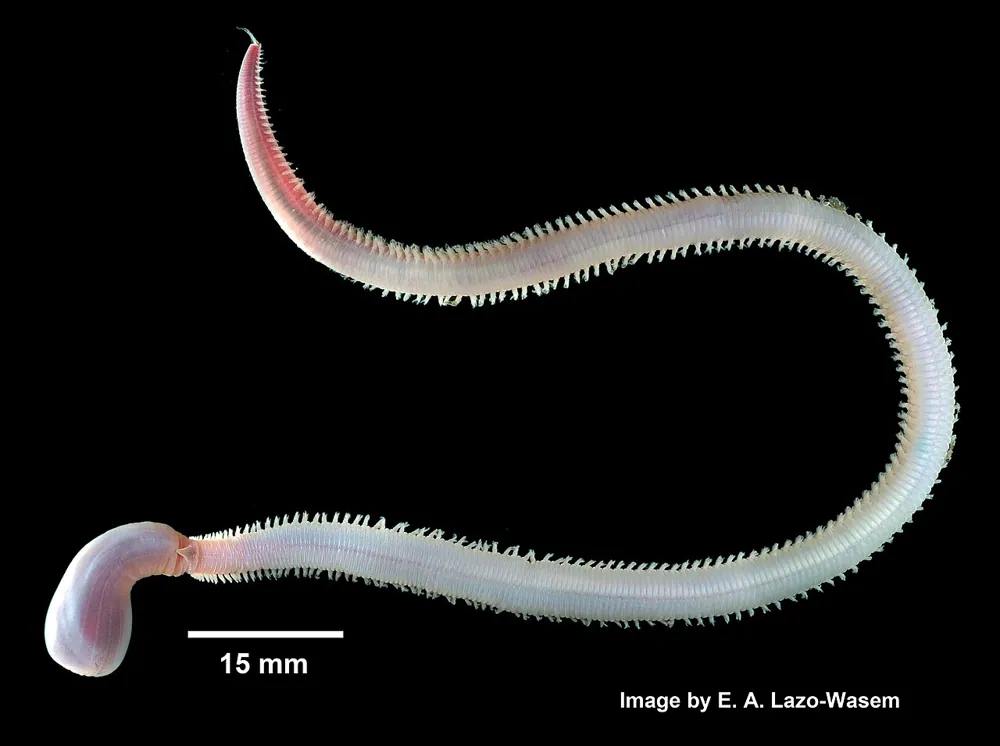
ỊtaBloodworms are segmented, red marine worms that grow up to about 36 cm long. They live on tidal flats, where they dig several metres down into the sand. Their jaws have copper-containing teeth, with the highest copper concentration of any animal.1
 Otú ị ga-esi mata ya
Ike nsị
Nsị na-esi n'eze nsị ya ma ọ bụ eze ya apụta mgbe ọ na-ata.
Kedu otú o si dị egwu nye mmadụ?
Ihe ize ndụ nye mmadụ: Na-afụ ụfụỌ nwere ike ịfụ ụfụ nke ukwuu, mana ọ naghị adịkarị njọ. Ọ bụrụ na ọ tara
- Tinye ọnya ahụ n'ime mmiri ọkụ, nke ọkụ dị ka onye ahụ nwere ike ịnagide n'ere ya ọkụ, chọọkwa enyemaka ọgwụ iji wepụ mkpu ndị ahụ. Egwula ha n'onwe gị.
Na-ebu ụzọ kpọọ nọmba mberede gị mgbe niile (112, 000, 911). Nke a bụ ndụmọdụ enyemaka mbụ n'ozuzu, ọ bụghị ndụmọdụ ọgwụ. Isi ihe enyemaka mbụ
 Nọrọ na nchekwa
- Emetụla anụ ọhịa aka, ejidela ya, emekwala ya ihe ọjọọ, ọbụna obere, ọbụna ma ọ dị ka ọ na-ehi ụra ma ọ bụ nwụọ anwụ.
- Nye ya ohere. Ọ bụrụ na ị zutere otu, dị jụụ, laghachi azụ nwayọ, hapụ ya ka ọ gaa ụzọ ya.
- Ọ bụrụ na otu tara gị: dị jụụ, emegharịla ahụ, kpọọ nọmba mberede gị (112, 000, 911) ma ọ bụ gaa ụlọ ọgwụ ngwa ngwa. Cheta ka o si dị, foto na-enye aka.
Ọ naghị achụ gị. Ọ na-eji nsị ya ejide nri ma ọ bụ chebe onwe ya, ọ ga-akakwa mma n'anya ya ịzo onwe ya. Ihe ndị ọzọ gbasara ịnọ na nchekwa
Ebee n'ụwa?
Ọ hà aṅaa?
Kedu otú o si dị ogologo?
 dị ogologo dị ka blọk egwuregwu 11 n'ahịrị
Kedu otú Bloodworm si hà ma e jiri ya tụnyere GỊ?
Naanị mgbakọ na mwepụ n'ime browser gị. Ọ dịghị ihe echekwara ma ọ bụ ezigara ebe ọ bụla.
Kedu otú o si agba ọsọ?


_002.jpeg)
Eziokwu
Its copper teeth are made of protein, melanin and about 10% copper, the highest copper concentration of any animal.1
They hunt by digging deep into the sand and waiting in ambush rather than chasing prey.1
Its jaws develop using a structural protein called multi-tasking protein (MTP), which can bind copper and form melanin.1
MTP is built mainly from the amino acids glycine and histidine, yet it does many complex jobs despite its simple structure.1
Ebe eziokwu ndị a si
- Glycera dibranchiata (Wikipedia (CC BY-SA 4.0))
- Glycera dibranchiata (iNaturalist): aha na nhazi ọkwa.
- Venom Wiki: ọkwa ihe ize ndụ, nha nkịtị na nchepụta ọsọ bụ nke anyị. Lee otú anyị si achọpụta ha: Otú anyị si atụ ihe ize ndụ.
Eziokwu ọ bụla dị na peeji a nwere nọmba na-egosi ebe o si. Ọ bụrụ na anyị mehiere ihe, ndo, anyị bụ ndị hụrụ anụmanụ n'anya, ọ bụghị akwụkwọ akụkọ sayensị. Gwa anyị na [email protected], anyị ga-edozi ya.
 Akpị agụụ na-agụ! Venom Wiki bụ ọrụ otu onye: n'efu, na-enweghị mgbasa ozi na ndị na-esochi gị. Obere onyinye na-enyere aka idebe ya n'ịntanetị.Nye akpị nri
Ndị ọzọ si n'otu ahụ: Urchin, kpakpando osimiri na ikpuru
 Crown-of-thorns starfishUrchin, kpakpando osimiri na ikpuruỌ chọrọ dọkịtaEmetụla ya aka
 Flower urchinUrchin, kpakpando osimiri na ikpuruNwere ike igbu mmadụ
 Fire urchinUrchin, kpakpando osimiri na ikpuruỌ chọrọ dọkịtaEmetụla ya aka
 Bearded firewormUrchin, kpakpando osimiri na ikpuruNaanị na-afụ ụfụEmetụla ya aka
 Black long-spined urchinUrchin, kpakpando osimiri na ikpuruNaanị na-afụ ụfụEmetụla ya aka
 Bobbit wormUrchin, kpakpando osimiri na ikpuruNaanị na-afụ ụfụ
Ọ na-ebikwa na: Oké Osimiri Atlantik
 Hawksbill sea turtleAnụmanụ ndị ọzọ nwere nsị n'ahụNwere ike igbu mmadụ
 Portuguese man o' warJelifish na anụ osimiri na-agba agbaỌ chọrọ dọkịtaEmetụla ya aka
 Blue sea dragonEjula cone na octopusNaanị na-afụ ụfụ
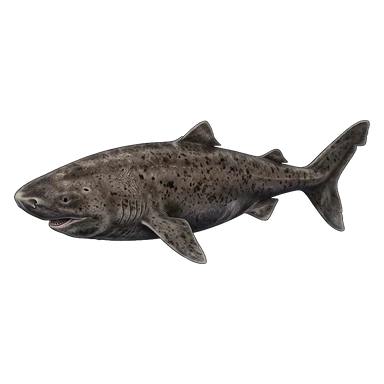 Greenland sharkAnụmanụ ndị ọzọ nwere nsị n'ahụNaanị na-afụ ụfụ
 Lion's mane jellyfishJelifish na anụ osimiri na-agba agbaNaanị na-afụ ụfụEmetụla ya aka
 Common octopusEjula cone na octopusAdịghị njọ