
 Afrịka
 Eshia
Eshia Yurop
Yurop Ndịda Amerika
 Ọstrelia na Oshenia
 Antaktika
 Oké Osimiri Pasifik
 Oké Osimiri Atlantik
 Oké Osimiri India
 Oké Osimiri Arktik
 Osimiri Mediterenian
 Osimiri Uhie
 Osimiri Karibịan
 Osimiri Coral
 Osimiri Ndịda China
 Osimiri Filipin
 Osimiri Andaman
 Osimiri Ugwu (North Sea)
 Osimiri Timor na Arafura
 Ọwara Bengal
 Ọwara California
Bearded fireworm
 Ajị na-agba agba
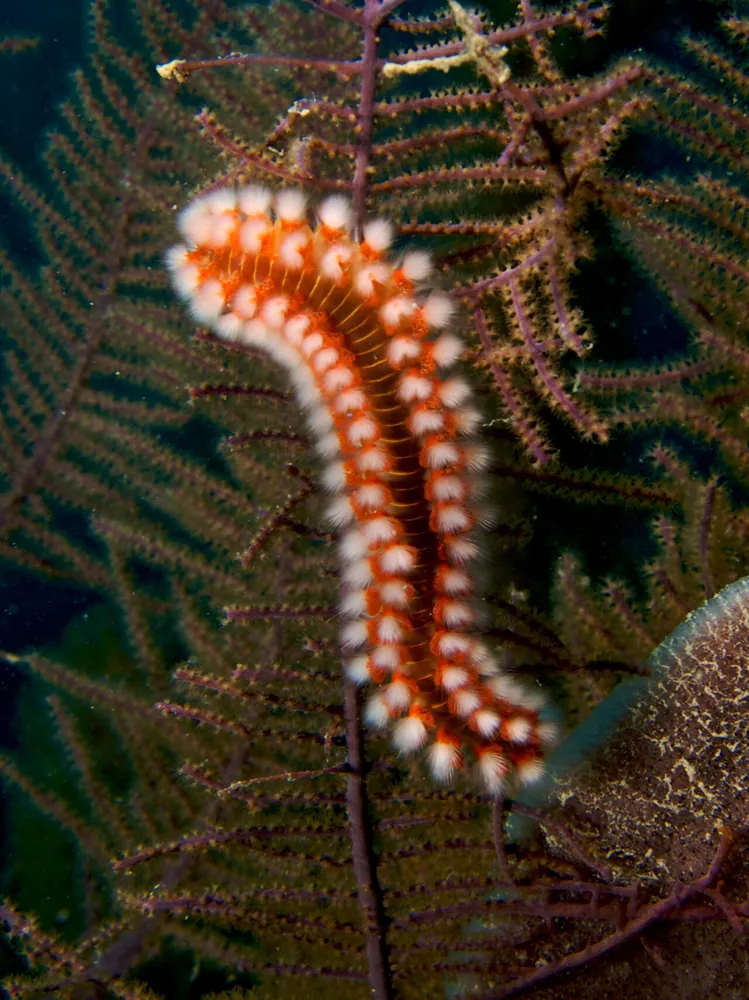
The bearded fireworm is a marine bristleworm, a soft-bodied sea creature with a row of stinging white bristles along each side. It lives in warm coastal waters of the tropical Atlantic Ocean and the Mediterranean Sea. Its bristles can sting people who touch it, so it is worth knowing what it looks like.1
 Otú ị ga-esi mata ya
- Elongated, flattened body that looks a little like a centipede1
- Colours range from greenish, yellowish and reddish to grey or white with a pearly glow1
- Body made of 60 to 150 identical segments, each separated by a thin white line1
- Clusters of white stinging bristles on each segment, with red or orange gills beside them1
- Small red or orange growths called caruncles on the first four segments at the front1
Ike nsị
Obere ajị ma ọ bụ mkpu na-agbaji n'akpụkpọ ahụ, na-agbakwa agba.
Gịnị ka nsị ọ na-agba na-eme?
Its bristles inject a powerful neurotoxin, a poison that attacks the nerves, when they are flared against skin. This causes intense irritation and a painful burning sensation around the contact area. The sting can also cause nausea and dizziness.1
Kedu otú o si dị egwu nye mmadụ?
Ihe ize ndụ nye mmadụ: Na-afụ ụfụỌ nwere ike ịfụ ụfụ nke ukwuu, mana ọ naghị adịkarị njọ.It is not considered a threat to humans unless touched by unsuspecting swimmers. The burning sensation lasts up to a few hours, although a painful tingling may remain around the area of contact.1
 Ọ bụrụ na i metụ ajị ya aka
- Use adhesive tape to press onto the area and then remove it, which can help pull out the spines. Applying isopropanol (rubbing alcohol) to the area may help ease the pain.1
- Tinye ọnya ahụ n'ime mmiri ọkụ, nke ọkụ dị ka onye ahụ nwere ike ịnagide n'ere ya ọkụ, chọọkwa enyemaka ọgwụ iji wepụ mkpu ndị ahụ. Egwula ha n'onwe gị.
Na-ebu ụzọ kpọọ nọmba mberede gị mgbe niile (112, 000, 911). Nke a bụ ndụmọdụ enyemaka mbụ n'ozuzu, ọ bụghị ndụmọdụ ọgwụ. Isi ihe enyemaka mbụ
 Nọrọ na nchekwa
- Emetụla anụ ọhịa aka, ejidela ya, emekwala ya ihe ọjọọ, ọbụna obere, ọbụna ma ọ dị ka ọ na-ehi ụra ma ọ bụ nwụọ anwụ.
- Nye ya ohere. Ọ bụrụ na ị zutere otu, dị jụụ, laghachi azụ nwayọ, hapụ ya ka ọ gaa ụzọ ya.
- Ọ bụrụ na i metụ ajị ya aka: dị jụụ, emegharịla ahụ, kpọọ nọmba mberede gị (112, 000, 911) ma ọ bụ gaa ụlọ ọgwụ ngwa ngwa. Cheta ka o si dị, foto na-enye aka.
Ọ naghị achụ gị. Ọ na-eji nsị ya ejide nri ma ọ bụ chebe onwe ya, ọ ga-akakwa mma n'anya ya ịzo onwe ya. Ihe ndị ọzọ gbasara ịnọ na nchekwa
Ebee n'ụwa?
Ọ hà aṅaa?
Kedu otú o si dị ogologo?
 dị ogologo dị ka blọk egwuregwu 9 n'ahịrị
Kedu otú Bearded fireworm si hà ma e jiri ya tụnyere GỊ?
Naanị mgbakọ na mwepụ n'ime browser gị. Ọ dịghị ihe echekwara ma ọ bụ ezigara ebe ọ bụla.
Kedu otú o si agba ọsọ?


.jpg)
Eziokwu
Ebe eziokwu ndị a si
- Hermodice carunculata (Wikipedia (CC BY-SA 4.0))
- Hermodice carunculata (iNaturalist): aha na nhazi ọkwa.
- Venom Wiki: ọkwa ihe ize ndụ, nha nkịtị na nchepụta ọsọ bụ nke anyị. Lee otú anyị si achọpụta ha: Otú anyị si atụ ihe ize ndụ.
Eziokwu ọ bụla dị na peeji a nwere nọmba na-egosi ebe o si. Ọ bụrụ na anyị mehiere ihe, ndo, anyị bụ ndị hụrụ anụmanụ n'anya, ọ bụghị akwụkwọ akụkọ sayensị. Gwa anyị na [email protected], anyị ga-edozi ya.
 Akpị agụụ na-agụ! Venom Wiki bụ ọrụ otu onye: n'efu, na-enweghị mgbasa ozi na ndị na-esochi gị. Obere onyinye na-enyere aka idebe ya n'ịntanetị.Nye akpị nri
Ndị ọzọ si n'otu ahụ: Urchin, kpakpando osimiri na ikpuru
 Crown-of-thorns starfishUrchin, kpakpando osimiri na ikpuruỌ chọrọ dọkịtaEmetụla ya aka
 Flower urchinUrchin, kpakpando osimiri na ikpuruNwere ike igbu mmadụ
 Fire urchinUrchin, kpakpando osimiri na ikpuruỌ chọrọ dọkịtaEmetụla ya aka
 Black long-spined urchinUrchin, kpakpando osimiri na ikpuruNaanị na-afụ ụfụEmetụla ya aka
 BloodwormUrchin, kpakpando osimiri na ikpuruNaanị na-afụ ụfụ
 Bobbit wormUrchin, kpakpando osimiri na ikpuruNaanị na-afụ ụfụ
Ọ na-ebikwa na: Oké Osimiri Atlantik
 Hawksbill sea turtleAnụmanụ ndị ọzọ nwere nsị n'ahụNwere ike igbu mmadụ
 Portuguese man o' warJelifish na anụ osimiri na-agba agbaỌ chọrọ dọkịtaEmetụla ya aka
 Blue sea dragonEjula cone na octopusNaanị na-afụ ụfụ
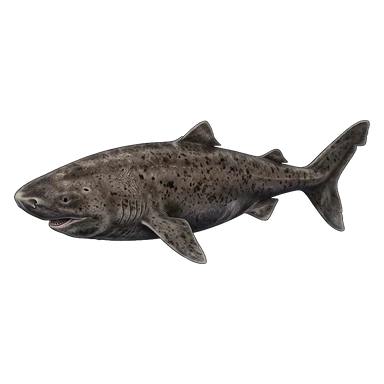 Greenland sharkAnụmanụ ndị ọzọ nwere nsị n'ahụNaanị na-afụ ụfụ
 Lion's mane jellyfishJelifish na anụ osimiri na-agba agbaNaanị na-afụ ụfụEmetụla ya aka
 Common octopusEjula cone na octopusAdịghị njọ