
 Afrịka
 Eshia
Eshia Yurop
Yurop Ndịda Amerika
 Ọstrelia na Oshenia
 Antaktika
 Oké Osimiri Pasifik
 Oké Osimiri Atlantik
 Oké Osimiri India
 Oké Osimiri Arktik
 Osimiri Mediterenian
 Osimiri Uhie
 Osimiri Karibịan
 Osimiri Coral
 Osimiri Ndịda China
 Osimiri Filipin
 Osimiri Andaman
 Osimiri Ugwu (North Sea)
 Osimiri Timor na Arafura
 Ọwara Bengal
 Ọwara California
Matabele ant
 Ịgba
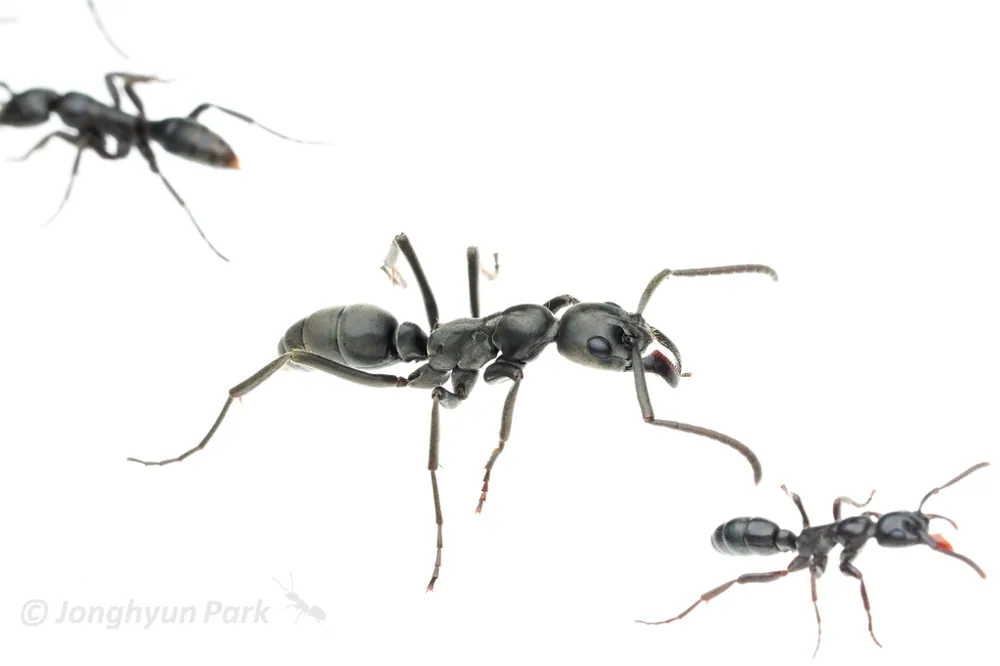
ỊgbaThe Matabele ant is one of the largest ants in the world, and it hunts termites in raiding columns. It lives across much of sub-Saharan Africa. It is known for its teamwork, including rescuing and caring for injured nestmates.1

 Otú ị ga-esi mata ya
- Worker ants are 5 to 18 millimetres long, and some individuals reach up to 25 millimetres.1
- Larger workers make up to half of the colony.1
- Minor workers have less hair and smoother jaws (mandibles) than major workers.1
- They move in a column-like line when raiding termite sites.1
- Their glands release chemicals that smell like human faeces.1
Ike nsị
Nsị na-esi na ndụdụ ya apụta.
Kedu otú o si dị egwu nye mmadụ?
Ihe ize ndụ nye mmadụ: Na-afụ ụfụỌ nwere ike ịfụ ụfụ nke ukwuu, mana ọ naghị adịkarị njọ.Gịnị ka ọ na-eme mgbe ụjọ tụrụ ya?
When attacked by driver ants outside the nest, they check each other's legs and antennae and remove any enemy ants clinging to them.1
 Ọ bụrụ na ọ gbaa
- Saa ebe ọ gbara, mee ka ha jụọ oyi.
- Ọ bụrụ na o siri onye ahụ ike iku ume, ihu ya ma ọ bụ akpịrị ya na-aza, ma ọ bụ na ọ dị ya ka ọ ga-ada mbà, ọ bụ mberede allergy: kpọọ nọmba mberede gị.
Na-ebu ụzọ kpọọ nọmba mberede gị mgbe niile (112, 000, 911). Nke a bụ ndụmọdụ enyemaka mbụ n'ozuzu, ọ bụghị ndụmọdụ ọgwụ. Isi ihe enyemaka mbụ
 Nọrọ na nchekwa
- Emetụla anụ ọhịa aka, ejidela ya, emekwala ya ihe ọjọọ, ọbụna obere, ọbụna ma ọ dị ka ọ na-ehi ụra ma ọ bụ nwụọ anwụ.
- Nye ya ohere. Ọ bụrụ na ị zutere otu, dị jụụ, laghachi azụ nwayọ, hapụ ya ka ọ gaa ụzọ ya.
- Ọ bụrụ na otu gbaa gị: dị jụụ, emegharịla ahụ, kpọọ nọmba mberede gị (112, 000, 911) ma ọ bụ gaa ụlọ ọgwụ ngwa ngwa. Cheta ka o si dị, foto na-enye aka.
Ọ naghị achụ gị. Ọ na-eji nsị ya ejide nri ma ọ bụ chebe onwe ya, ọ ga-akakwa mma n'anya ya ịzo onwe ya. Ihe ndị ọzọ gbasara ịnọ na nchekwa
Ọ hà aṅaa?
Kedu otú o si dị ogologo?
 ọ dị ogologo ihe dị ka pepa klip
Kedu otú Matabele ant si hà ma e jiri ya tụnyere GỊ?
Naanị mgbakọ na mwepụ n'ime browser gị. Ọ dịghị ihe echekwara ma ọ bụ ezigara ebe ọ bụla.
Kedu otú o si agba ọsọ?


Eziokwu
They are the first recorded non-human species to treat the wounds of other individuals consistently, by licking them for several minutes.1
Injured ants send out a chemical call for help, and nestmates carry them back to the nest. This reduces the mortality rate of injured ants from 32% to close to zero.1
Injured ants that have lost one or two legs adapt to walking on four or five legs and can reach running speeds similar to healthy ants.1
Some individuals reach up to 25 millimetres, which makes this one of the world's largest ants.1
Frogs of the species Phrynomantis microps are sometimes found in their nests, and these frogs produce a skin secretion that calms the ants' aggression.1
Scout ants lead raids from the front and lay pheromone trails, so the other ants can find their way back to the nest.1
Maka ndị ọkachamara nsị
- Aha sayensị
- Megaponera analis
- Otu
- Arụrụ
- Ezinụlọ
- Formicidae2
- Usoro
- Hymenoptera
- Kọntinent dị iche iche
- Afrịka
- Ụmụ ọhụrụ
- The nest chamber holds the eggs, larvae, cocoons and the queen. New colonies are thought to form when a new queen leaves with some workers from an established colony.1
- Ihe ize ndụ nye mmadụ
- 2 / 5: Na-afụ ụfụ3
Ebe eziokwu ndị a si
- Megaponera (Wikipedia (CC BY-SA 4.0))
- Megaponera analis (iNaturalist): aha na nhazi ọkwa.
- Venom Wiki: ọkwa ihe ize ndụ, nha nkịtị na nchepụta ọsọ bụ nke anyị. Lee otú anyị si achọpụta ha: Otú anyị si atụ ihe ize ndụ.
Eziokwu ọ bụla dị na peeji a nwere nọmba na-egosi ebe o si. Ọ bụrụ na anyị mehiere ihe, ndo, anyị bụ ndị hụrụ anụmanụ n'anya, ọ bụghị akwụkwọ akụkọ sayensị. Gwa anyị na [email protected], anyị ga-edozi ya.
 Akpị agụụ na-agụ! Venom Wiki bụ ọrụ otu onye: n'efu, na-enweghị mgbasa ozi na ndị na-esochi gị. Obere onyinye na-enyere aka idebe ya n'ịntanetị.Nye akpị nri
 Siafu driver ant
 African stink ant
 Samsum ant
 Bullet ant
 Red imported fire ant
 Bulldog ant
 Black mamba
 Deathstalker
 Egyptian cobra
 Puff adder
 Boomslang
 Fat-tailed scorpion