
 Afrịka
 Eshia
Eshia Yurop
Yurop Ndịda Amerika
 Ọstrelia na Oshenia
 Antaktika
 Oké Osimiri Pasifik
 Oké Osimiri Atlantik
 Oké Osimiri India
 Oké Osimiri Arktik
 Osimiri Mediterenian
 Osimiri Uhie
 Osimiri Karibịan
 Osimiri Coral
 Osimiri Ndịda China
 Osimiri Filipin
 Osimiri Andaman
 Osimiri Ugwu (North Sea)
 Osimiri Timor na Arafura
 Ọwara Bengal
 Ọwara California
Montpellier snake
 Ịta
ỊtaThe Montpellier snake is a rear-fanged snake found in southern Europe and North Africa. It is mildly venomous, and it is active during the day, mainly hunting lizards. It is one of the most common snakes across its range, even in areas where people live.1

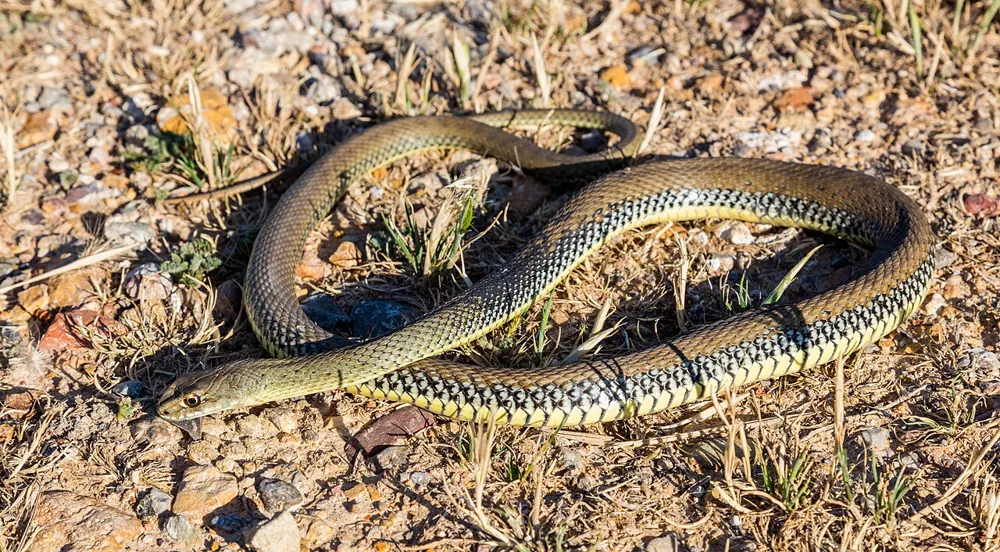
 Otú ị ga-esi mata ya
Ike nsị
Nsị na-esi n'eze nsị ya ma ọ bụ eze ya apụta mgbe ọ na-ata.
Gịnị ka nsị ọ na-agba na-eme?
It is mildly venomous. Its rear fangs, which sit towards the back of the mouth, make it less likely to inject venom, and the venom is of low toxicity. Venom can still be injected by bites from large individuals.1
Kedu otú o si dị egwu nye mmadụ?
Ihe ize ndụ nye mmadụ: Na-afụ ụfụỌ nwere ike ịfụ ụfụ nke ukwuu, mana ọ naghị adịkarị njọ.The Montpellier snake is not dangerous to humans. Only a few cases of envenomation of people are known, and one of these happened when a finger was put into the snake's mouth. The venom is not very dangerous.1
 Ọ bụrụ na ọ tara
- Symptomatic treatment, which means treating the symptoms as they appear, is enough to deal with an envenomation.1
- Saa ebe ọ tara, mee ka onye ahụ dị jụụ, chọọkwa enyemaka ọgwụ. Ụfọdụ ụdị (dịka boomslang) nwere ike igbu mmadụ ọtụtụ awa ka e mesịrị.
Na-ebu ụzọ kpọọ nọmba mberede gị mgbe niile (112, 000, 911). Nke a bụ ndụmọdụ enyemaka mbụ n'ozuzu, ọ bụghị ndụmọdụ ọgwụ. Isi ihe enyemaka mbụ
 Nọrọ na nchekwa
- Emetụla anụ ọhịa aka, ejidela ya, emekwala ya ihe ọjọọ, ọbụna obere, ọbụna ma ọ dị ka ọ na-ehi ụra ma ọ bụ nwụọ anwụ.
- Nye ya ohere. Ọ bụrụ na ị zutere otu, dị jụụ, laghachi azụ nwayọ, hapụ ya ka ọ gaa ụzọ ya.
- Ọ bụrụ na otu tara gị: dị jụụ, emegharịla ahụ, kpọọ nọmba mberede gị (112, 000, 911) ma ọ bụ gaa ụlọ ọgwụ ngwa ngwa. Cheta ka o si dị, foto na-enye aka.
Ọ naghị achụ gị. Ọ na-eji nsị ya ejide nri ma ọ bụ chebe onwe ya, ọ ga-akakwa mma n'anya ya ịzo onwe ya. Ihe ndị ọzọ gbasara ịnọ na nchekwa
Ọ hà aṅaa?
Kedu otú o si dị ogologo?
Kedu otú o si dị arọ?
 dị ogologo dị ka nkịta 2.5 site n'imi ruo n'ọdụ
 dị ogologo dị ka unere 14 a tọgbọrọ n'ahịrị
 ọ dị arọ ihe dị ka nwamba ụlọ
 nwere ike ịgba ọsọ mita 100 n'ime sekọnd 59 (mmadụ kacha ọsọ chọrọ 9,6)
Kedu otú Montpellier snake si hà ma e jiri ya tụnyere GỊ?
Naanị mgbakọ na mwepụ n'ime browser gị. Ọ dịghị ihe echekwara ma ọ bụ ezigara ebe ọ bụla.
Kedu otú o si agba ọsọ?


,_Nig%C3%BCella,_Zaragoza,_Espa%C3%B1a,_2017-05-24,_DD_07.jpg)
Eziokwu
Genetic evidence suggests it originated in the Maghreb and migrated into southwestern Europe between 83,000 and 168,000 years ago.1
It is often killed by cars and farmers, and it is sometimes used by snake charmers and sold as a curio.1
Its common, relatively mild persecution by people has helped it become one of the most common snakes across its range.1
Onye na-ekpughe akụkọ ụgha
Akụkọ ụgha: That the Montpellier snake is a dangerous snake for humans.
Eziokwu: It is not dangerous to humans. Its rear fangs and low-toxicity venom mean serious harm is very unlikely.1
Ebe eziokwu ndị a si
- Malpolon monspessulanus (Wikipedia (CC BY-SA 4.0))
- Malpolon monspessulanus (iNaturalist): aha na nhazi ọkwa.
- Venom Wiki: ọkwa ihe ize ndụ, nha nkịtị na nchepụta ọsọ bụ nke anyị. Lee otú anyị si achọpụta ha: Otú anyị si atụ ihe ize ndụ.
Eziokwu ọ bụla dị na peeji a nwere nọmba na-egosi ebe o si. Ọ bụrụ na anyị mehiere ihe, ndo, anyị bụ ndị hụrụ anụmanụ n'anya, ọ bụghị akwụkwọ akụkọ sayensị. Gwa anyị na [email protected], anyị ga-edozi ya.
 Akpị agụụ na-agụ! Venom Wiki bụ ọrụ otu onye: n'efu, na-enweghị mgbasa ozi na ndị na-esochi gị. Obere onyinye na-enyere aka idebe ya n'ịntanetị.Nye akpị nri
Ndị ọzọ si n'otu ahụ: Agwọ nwere eze nsị n'azụ ọnụ
 BoomslangAgwọ nwere eze nsị n'azụ ọnụNwere ike igbu mmadụ
 Cape twig snakeAgwọ nwere eze nsị n'azụ ọnụNwere ike igbu mmadụ
 Forest twig snakeAgwọ nwere eze nsị n'azụ ọnụNwere ike igbu mmadụ
 Bibron's stiletto snakeAgwọ nwere eze nsị n'azụ ọnụỌ chọrọ dọkịta
 Madagascar leaf-nosed snakeAgwọ nwere eze nsị n'azụ ọnụNaanị na-afụ ụfụ
 Eastern twig snakeAgwọ nwere eze nsị n'azụ ọnụNwere ike igbu mmadụ
Ọ na-ebikwa na: Yurop
 Common European adderViper na adderỌ chọrọ dọkịta
 Spanish flyAnụmanụ ndị ọzọ nwere nsị n'ahụỌ chọrọ dọkịtaEmetụla ya aka
 Common waspAṅụ, ebu na ebu ukwuNaanị na-afụ ụfụ
 European hornetAṅụ, ebu na ebu ukwuNaanị na-afụ ụfụ
 Fire salamanderAwọ nsị, awọ ala na newtNaanị na-afụ ụfụEmetụla ya aka
 Western honey beeAṅụ, ebu na ebu ukwuNaanị na-afụ ụfụ