
 Afrịka
 Eshia
Eshia Yurop
Yurop Ndịda Amerika
 Ọstrelia na Oshenia
 Antaktika
 Oké Osimiri Pasifik
 Oké Osimiri Atlantik
 Oké Osimiri India
 Oké Osimiri Arktik
 Osimiri Mediterenian
 Osimiri Uhie
 Osimiri Karibịan
 Osimiri Coral
 Osimiri Ndịda China
 Osimiri Filipin
 Osimiri Andaman
 Osimiri Ugwu (North Sea)
 Osimiri Timor na Arafura
 Ọwara Bengal
 Ọwara California
Paulista wasp
 Ịgba
ỊgbaThe Paulista wasp is a social wasp that lives in colonies of thousands of wasps. It is found in Brazil, Paraguay and Argentina. Scientists are studying its venom because some of its peptides (small protein-like molecules) may one day help treat cancer and epilepsy.1



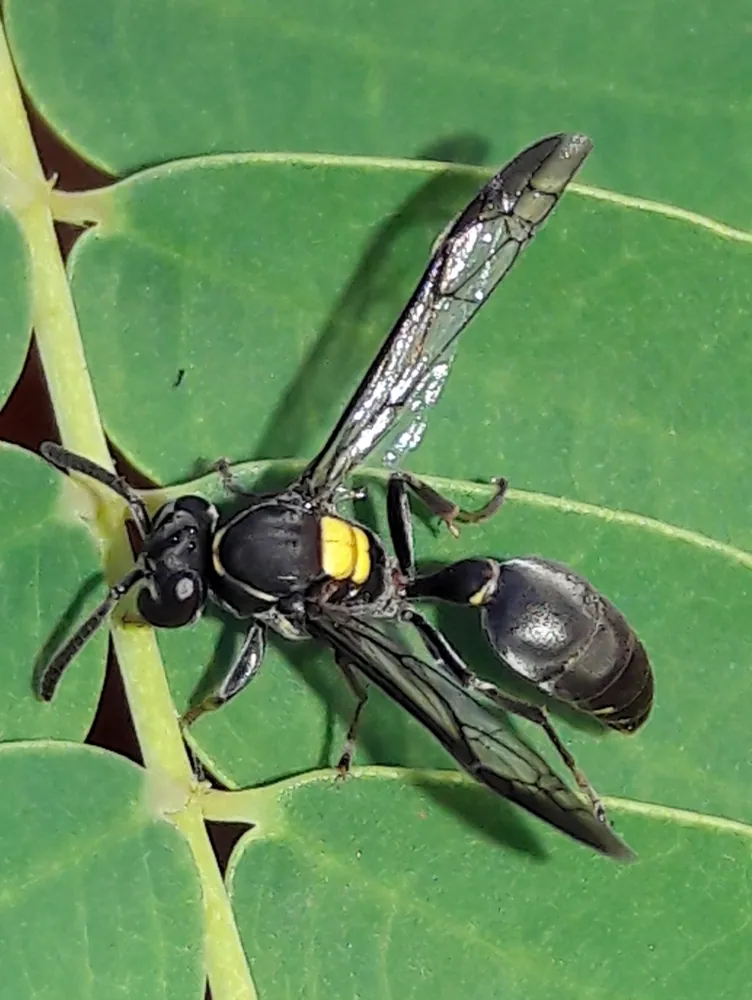
 Otú ị ga-esi mata ya
- Lives in a colony with a division of labour between young, middle-aged and older wasps1
- Builds a nest with combs and envelopes, which are fixed to a surface1
- Forms a tight cluster of wasps on the outside of a new nest while the inside has little room1
- Found in tropical areas of Brazil, Paraguay and Argentina1
Ike nsị
Nsị na-esi na ndụdụ ya apụta.
Gịnị ka nsị ọ na-agba na-eme?
The venom contains several peptides. These cause pain, swelling (oedema) and haemolysis, which means they break down red blood cells. They also trigger an inflammatory response, which causes physical discomfort.1
Kedu otú o si dị egwu nye mmadụ?
Ihe ize ndụ nye mmadụ: Na-afụ ụfụỌ nwere ike ịfụ ụfụ nke ukwuu, mana ọ naghị adịkarị njọ.Gịnị ka ọ na-eme mgbe ụjọ tụrụ ya?
Wasps use venom to defend themselves and their colony against predators, and workers defend the nest.1
 Ọ bụrụ na ọ gbaa
- Kọpụta ndụdụ aṅụ ahụ hapụrụ, mee ka ebe ahụ jụọ oyi.
- Ọ bụrụ na o siri onye ahụ ike iku ume, ihu ya ma ọ bụ akpịrị ya na-aza, ma ọ bụ na ọ dị ya ka ọ ga-ada mbà, ọ bụ mberede allergy: kpọọ nọmba mberede gị, jirikwa adrenaline pen ya (adrenaline auto-injector) ma ọ bụrụ na o nwere otu.
Na-ebu ụzọ kpọọ nọmba mberede gị mgbe niile (112, 000, 911). Nke a bụ ndụmọdụ enyemaka mbụ n'ozuzu, ọ bụghị ndụmọdụ ọgwụ. Isi ihe enyemaka mbụ
 Nọrọ na nchekwa
- Emetụla anụ ọhịa aka, ejidela ya, emekwala ya ihe ọjọọ, ọbụna obere, ọbụna ma ọ dị ka ọ na-ehi ụra ma ọ bụ nwụọ anwụ.
- Nye ya ohere. Ọ bụrụ na ị zutere otu, dị jụụ, laghachi azụ nwayọ, hapụ ya ka ọ gaa ụzọ ya.
- Ọ bụrụ na otu gbaa gị: dị jụụ, emegharịla ahụ, kpọọ nọmba mberede gị (112, 000, 911) ma ọ bụ gaa ụlọ ọgwụ ngwa ngwa. Cheta ka o si dị, foto na-enye aka.
Ọ naghị achụ gị. Ọ na-eji nsị ya ejide nri ma ọ bụ chebe onwe ya, ọ ga-akakwa mma n'anya ya ịzo onwe ya. Ihe ndị ọzọ gbasara ịnọ na nchekwa
Ọ hà aṅaa?
Kedu otú o si dị ogologo?
 dị obere nke na ọ nwere ike ịnọdụ n'elu mbọ aka gị
 nwere ike ife gafee ọdụ egwuregwu bọọlụ dum n'ime sekọnd 17
Kedu otú Paulista wasp si hà ma e jiri ya tụnyere GỊ?
Naanị mgbakọ na mwepụ n'ime browser gị. Ọ dịghị ihe echekwara ma ọ bụ ezigara ebe ọ bụla.
Kedu otú o si agba ọsọ?


Eziokwu
A peptide in the venom, called Polybia-MP1, kills cancer cells while leaving healthy cells intact, according to research so far. Further studies are needed to confirm it is safe as a chemotherapy drug.1
The venom contains mastoparan, which has been shown to inhibit the parasite Trypanosoma cruzi, the cause of Chagas disease.1
Workers cool the nest by fanning their wings and spreading water on the combs, so the water evaporates and lowers the temperature.1
Colonies can contain from 10 to 94 queens, because young queens are constantly recruited.1
A colony can hold about 4,500 wasps during its early stage, and up to 13,000 wasps while males are being produced.1
Ebe eziokwu ndị a si
- Polybia paulista (Wikipedia (CC BY-SA 4.0))
- Polybia paulista (iNaturalist): aha na nhazi ọkwa.
- Venom Wiki: ọkwa ihe ize ndụ, nha nkịtị na nchepụta ọsọ bụ nke anyị. Lee otú anyị si achọpụta ha: Otú anyị si atụ ihe ize ndụ.
Eziokwu ọ bụla dị na peeji a nwere nọmba na-egosi ebe o si. Ọ bụrụ na anyị mehiere ihe, ndo, anyị bụ ndị hụrụ anụmanụ n'anya, ọ bụghị akwụkwọ akụkọ sayensị. Gwa anyị na [email protected], anyị ga-edozi ya.
 Akpị agụụ na-agụ! Venom Wiki bụ ọrụ otu onye: n'efu, na-enweghị mgbasa ozi na ndị na-esochi gị. Obere onyinye na-enyere aka idebe ya n'ịntanetị.Nye akpị nri
Ndị ọzọ si n'otu ahụ: Aṅụ, ebu na ebu ukwu
 Tarantula hawkAṅụ, ebu na ebu ukwuNaanị na-afụ ụfụ
 Executioner waspAṅụ, ebu na ebu ukwuỌ chọrọ dọkịta
 Warrior waspAṅụ, ebu na ebu ukwuỌ chọrọ dọkịta
 Armadillo waspAṅụ, ebu na ebu ukwuỌ chọrọ dọkịta
 Giant tarantula hawkAṅụ, ebu na ebu ukwuNaanị na-afụ ụfụ
 Red paper waspAṅụ, ebu na ebu ukwuNaanị na-afụ ụfụ
 Golden poison frog
 Terciopelo
 Brazilian wandering spider
 Eyelash viper
 Golden lancehead
 South American bushmaster