
 Afrịka
 Eshia
Eshia Yurop
Yurop Ndịda Amerika
 Ọstrelia na Oshenia
 Antaktika
 Oké Osimiri Pasifik
 Oké Osimiri Atlantik
 Oké Osimiri India
 Oké Osimiri Arktik
 Osimiri Mediterenian
 Osimiri Uhie
 Osimiri Karibịan
 Osimiri Coral
 Osimiri Ndịda China
 Osimiri Filipin
 Osimiri Andaman
 Osimiri Ugwu (North Sea)
 Osimiri Timor na Arafura
 Ọwara Bengal
 Ọwara California
Queensland whistling tarantula
 Ịta
ỊtaThe Queensland whistling tarantula is a large, shy spider from the east coast of Queensland in Australia. It is the largest spider in Australia, and it makes a hissing sound when it feels threatened. Its bite is venomous, but it is not fatal to people.1


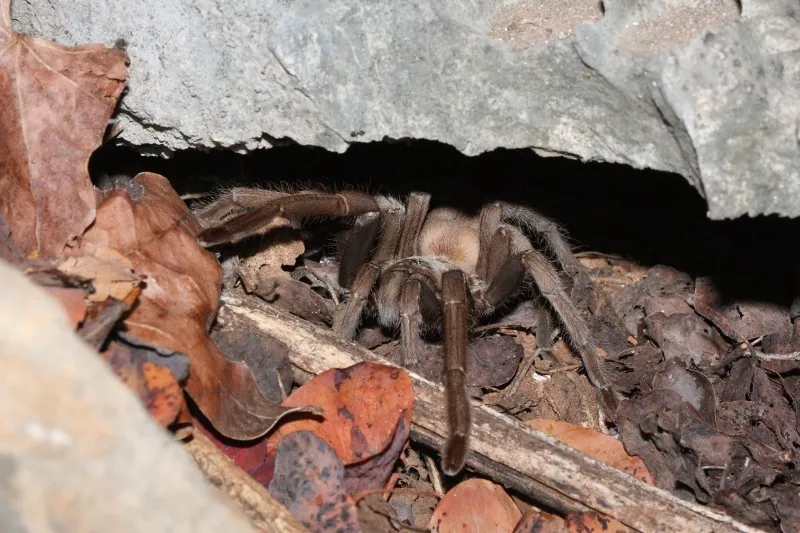
 Otú ị ga-esi mata ya
Ike nsị
Nsị na-esi n'eze nsị ya ma ọ bụ eze ya apụta mgbe ọ na-ata.
Gịnị ka nsị ọ na-agba na-eme?
It has venomous fangs up to 1 cm long. A bite can cause up to six hours of vomiting in people. In a 2010 case, a scientist bitten on a finger had intense pain, and the finger and hand became swollen and very sensitive within one hour. The swelling and pain were limited to the hand and lower arm, and eased after 26 hours. The venom can kill a dog or cat within thirty minutes.1
Kedu otú o si dị egwu nye mmadụ?
Ihe ize ndụ nye mmadụ: Na-afụ ụfụỌ nwere ike ịfụ ụfụ nke ukwuu, mana ọ naghị adịkarị njọ.The bite is not fatal to humans. It can cause severe pain, swelling and up to six hours of vomiting. The venom can cause death in dogs and cats within thirty minutes.1
Gịnị ka ọ na-eme mgbe ụjọ tụrụ ya?
When provoked, it makes a hissing noise by rubbing a patch of hairs (setae) on its chelicerae, which are its mouthparts.1
 Ọ bụrụ na ọ tara
- Saa ebe ọ tara, mee ka ọ jụọ oyi. Chọọ enyemaka ọgwụ ma ọ bụrụ na mgbu ahụ siri ike ma ọ bụ na ahụ adịghị onye ahụ mma.
- N'Ọstrelia, were ịta nnukwu ududo ojii ọ bụla dị ka ịta funnel-web: Mkpakọ na nkwụsi ahụ (pressure immobilisation): jiri bandeji na-agbatị agbatị (elastic bandage) kee ebe ọ tara nke ọma, wee kee ya gaa n'elu aka ma ọ bụ ụkwụ ahụ niile, jiri splint (osisi nkwado) kwado ya, mee ka onye ahụ ghara imegharị ahụ ma ọlị ruo mgbe enyemaka bịarutere.
Na-ebu ụzọ kpọọ nọmba mberede gị mgbe niile (112, 000, 911). Nke a bụ ndụmọdụ enyemaka mbụ n'ozuzu, ọ bụghị ndụmọdụ ọgwụ. Isi ihe enyemaka mbụ
 Nọrọ na nchekwa
- Emetụla anụ ọhịa aka, ejidela ya, emekwala ya ihe ọjọọ, ọbụna obere, ọbụna ma ọ dị ka ọ na-ehi ụra ma ọ bụ nwụọ anwụ.
- Nye ya ohere. Ọ bụrụ na ị zutere otu, dị jụụ, laghachi azụ nwayọ, hapụ ya ka ọ gaa ụzọ ya.
- Ọ bụrụ na otu tara gị: dị jụụ, emegharịla ahụ, kpọọ nọmba mberede gị (112, 000, 911) ma ọ bụ gaa ụlọ ọgwụ ngwa ngwa. Cheta ka o si dị, foto na-enye aka.
Ọ naghị achụ gị. Ọ na-eji nsị ya ejide nri ma ọ bụ chebe onwe ya, ọ ga-akakwa mma n'anya ya ịzo onwe ya. Ihe ndị ọzọ gbasara ịnọ na nchekwa
Ọ hà aṅaa?
Kedu otú o si dị ogologo?
 dị ogologo dị ka blọk egwuregwu 7 n'ahịrị
 nwere ike ịgba ọsọ mita 100 n'ime sekọnd 170 (mmadụ kacha ọsọ chọrọ 9,6)
Kedu otú Queensland whistling tarantula si hà ma e jiri ya tụnyere GỊ?
Naanị mgbakọ na mwepụ n'ime browser gị. Ọ dịghị ihe echekwara ma ọ bụ ezigara ebe ọ bụla.
Kedu otú o si agba ọsọ?


Eziokwu
It is often called the barking spider because of the hissing sound it makes when approached.1
It is the largest spider in Australia, and its body can be up to 9 cm long.1
Adults dig silk-lined burrows up to 2 metres long, with a side tunnel leading up to an air pocket chamber that can last a few days.1
Females can live up to thirty years, while males live up to eight years.1
Many of these spiders are taken from the wild, often illegally, which threatens the wild population.1
It is a fast-growing spider and is widely sought after as a pet.1
Onye na-ekpughe akụkọ ụgha
Akụkọ ụgha: It is a bird-eating spider.
Eziokwu: This nocturnal ground dweller is not likely to ever encounter or feed on birds. It mainly eats insects, other spiders, and small animals such as geckos, skinks and frogs.1
Ebe eziokwu ndị a si
- Selenocosmia crassipes (Wikipedia (CC BY-SA 4.0))
- Selenocosmia crassipes (iNaturalist): aha na nhazi ọkwa.
- Venom Wiki: ọkwa ihe ize ndụ, nha nkịtị na nchepụta ọsọ bụ nke anyị. Lee otú anyị si achọpụta ha: Otú anyị si atụ ihe ize ndụ.
Eziokwu ọ bụla dị na peeji a nwere nọmba na-egosi ebe o si. Ọ bụrụ na anyị mehiere ihe, ndo, anyị bụ ndị hụrụ anụmanụ n'anya, ọ bụghị akwụkwọ akụkọ sayensị. Gwa anyị na [email protected], anyị ga-edozi ya.
 Akpị agụụ na-agụ! Venom Wiki bụ ọrụ otu onye: n'efu, na-enweghị mgbasa ozi na ndị na-esochi gị. Obere onyinye na-enyere aka idebe ya n'ịntanetị.Nye akpị nri
Ndị ọzọ si n'otu ahụ: Tarantula na funnel-web
 Sydney funnel-web spiderTarantula na funnel-webNa-egbu egbu
 Northern tree-dwelling funnel-web spiderTarantula na funnel-webNa-egbu egbu
 Red-headed mouse spiderTarantula na funnel-webỌ chọrọ dọkịta
 Blue Mountains funnel-web spiderTarantula na funnel-webNwere ike igbu mmadụ
 Darling Downs funnel-web spiderTarantula na funnel-webNwere ike igbu mmadụ
 Illawarra funnel-web spiderTarantula na funnel-webNwere ike igbu mmadụ
 Coastal taipan
 Common death adder
 Eastern brown snake
 Taipan nke ime obodo
 Agwọ agụ
 Redback spider