
 Afrịka
 Eshia
Eshia Yurop
Yurop Ndịda Amerika
 Ọstrelia na Oshenia
 Antaktika
 Oké Osimiri Pasifik
 Oké Osimiri Atlantik
 Oké Osimiri India
 Oké Osimiri Arktik
 Osimiri Mediterenian
 Osimiri Uhie
 Osimiri Karibịan
 Osimiri Coral
 Osimiri Ndịda China
 Osimiri Filipin
 Osimiri Andaman
 Osimiri Ugwu (North Sea)
 Osimiri Timor na Arafura
 Ọwara Bengal
 Ọwara California
Red-tailed bumblebee
 Ịgba
ỊgbaThe red-tailed bumblebee is a black bee with red markings at the back of its body. It lives across much of Central Europe, including Britain and Ireland. It is an important pollinator of flowers and crops, and like other bumblebees it can sting.1


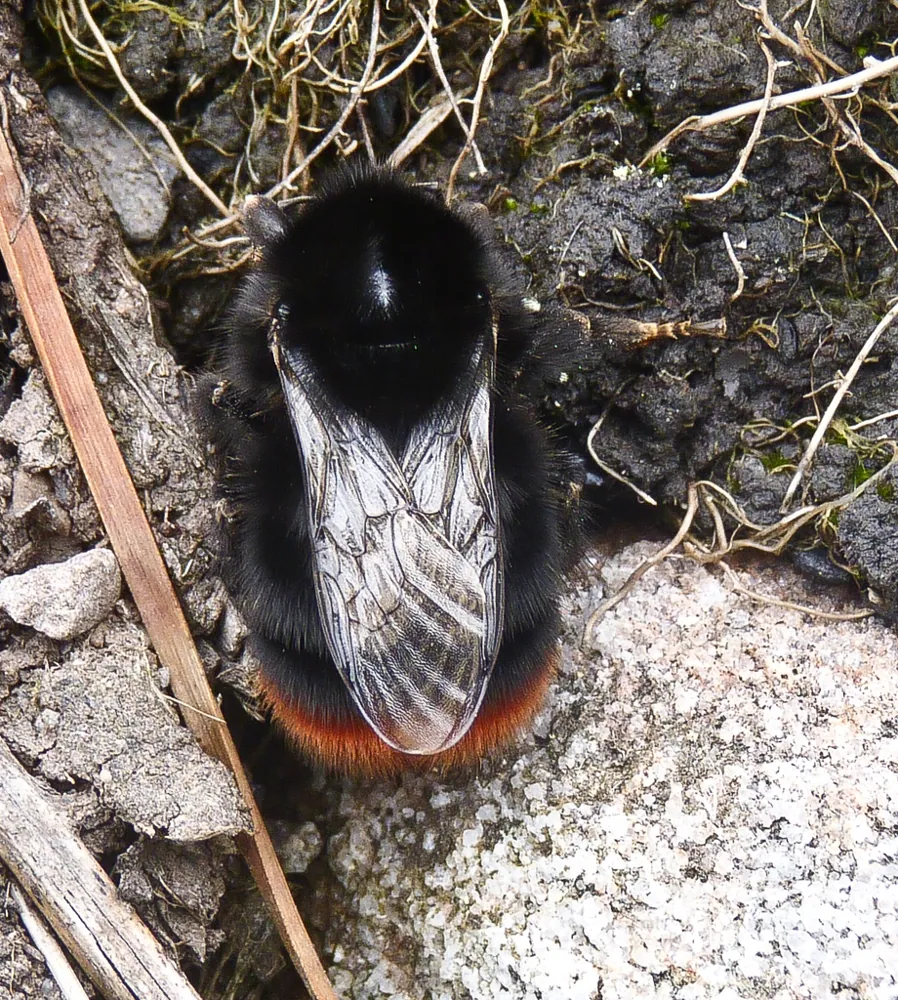
 Otú ị ga-esi mata ya
- Black body with red markings around the abdomen.1
- Males have red and black colouring, a yellow band around the abdomen and yellow markings on the face.1
- Workers and the queen look similar, but the queen is much larger than the workers.1
A na-agwakọkarị ya na: Rarer bumblebees such as Bombus ruderarius have a similar appearance.1
Ike nsị
Nsị na-esi na ndụdụ ya apụta.
Kedu otú o si dị egwu nye mmadụ?
Ihe ize ndụ nye mmadụ: ObereDị ka ịgba aṅụ ma ọ bụ nke na-erughị ya. Ọ fọrọ nke nta ka ọ ghara ịdị njọ nye mmadụ. Ọ bụrụ na ọ gbaa
- Kọpụta ndụdụ aṅụ ahụ hapụrụ, mee ka ebe ahụ jụọ oyi.
- Ọ bụrụ na o siri onye ahụ ike iku ume, ihu ya ma ọ bụ akpịrị ya na-aza, ma ọ bụ na ọ dị ya ka ọ ga-ada mbà, ọ bụ mberede allergy: kpọọ nọmba mberede gị, jirikwa adrenaline pen ya (adrenaline auto-injector) ma ọ bụrụ na o nwere otu.
Na-ebu ụzọ kpọọ nọmba mberede gị mgbe niile (112, 000, 911). Nke a bụ ndụmọdụ enyemaka mbụ n'ozuzu, ọ bụghị ndụmọdụ ọgwụ. Isi ihe enyemaka mbụ
 Nọrọ na nchekwa
- Emetụla anụ ọhịa aka, ejidela ya, emekwala ya ihe ọjọọ, ọbụna obere, ọbụna ma ọ dị ka ọ na-ehi ụra ma ọ bụ nwụọ anwụ.
- Nye ya ohere. Ọ bụrụ na ị zutere otu, dị jụụ, laghachi azụ nwayọ, hapụ ya ka ọ gaa ụzọ ya.
- Ọ bụrụ na otu gbaa gị: dị jụụ, emegharịla ahụ, kpọọ nọmba mberede gị (112, 000, 911) ma ọ bụ gaa ụlọ ọgwụ ngwa ngwa. Cheta ka o si dị, foto na-enye aka.
Ọ naghị achụ gị. Ọ na-eji nsị ya ejide nri ma ọ bụ chebe onwe ya, ọ ga-akakwa mma n'anya ya ịzo onwe ya. Ihe ndị ọzọ gbasara ịnọ na nchekwa
Ọ hà aṅaa?
Kedu otú o si dị ogologo?
 dị mkpụmkpụ karịa obere mkpịsị aka gị
 nwere ike ife gafee ọdụ egwuregwu bọọlụ dum n'ime sekọnd 15
Kedu otú Red-tailed bumblebee si hà ma e jiri ya tụnyere GỊ?
Naanị mgbakọ na mwepụ n'ime browser gị. Ọ dịghị ihe echekwara ma ọ bụ ezigara ebe ọ bụla.
Kedu otú o si agba ọsọ?


Eziokwu
The bees warm their nest by producing heat with their flight muscles, which they use to incubate the brood.1
Cuckoo bumblebees can invade its nests by copying its chemical scent or by producing a substance that repels the workers.1
Males mark spots with scent to attract females, and these scents are often copied by cuckoo bumblebees.1
Some individuals fly as far as 1,750 metres from the nest to find food, although most forage much closer.1
Males travel much farther than workers, which may help keep the population genetically varied.1
It forages and pollinates at higher temperatures than many other bumblebee species.1
Maka ndị ọkachamara nsị
- Aha sayensị
- Bombus lapidarius
- Otu
- Aṅụ, ebu na ebu ukwu
- Ezinụlọ
- Apidae2
- Usoro
- Hymenoptera
- Kọntinent dị iche iche
- Yurop
- Ụmụ ọhụrụ
- The queen lays eggs in the nest, and workers sometimes eat them. A nest usually holds a few hundred bees at most, with about 100 to 200 workers on average.1
- Otú ọ na-eme n'ọhịa
- Near Threatened in Ireland1
- Ihe ize ndụ nye mmadụ
- 1 / 5: Obere3
Ebe eziokwu ndị a si
- Bombus lapidarius (Wikipedia (CC BY-SA 4.0))
- Bombus lapidarius (iNaturalist): aha na nhazi ọkwa.
- Venom Wiki: ọkwa ihe ize ndụ, nha nkịtị na nchepụta ọsọ bụ nke anyị. Lee otú anyị si achọpụta ha: Otú anyị si atụ ihe ize ndụ.
Eziokwu ọ bụla dị na peeji a nwere nọmba na-egosi ebe o si. Ọ bụrụ na anyị mehiere ihe, ndo, anyị bụ ndị hụrụ anụmanụ n'anya, ọ bụghị akwụkwọ akụkọ sayensị. Gwa anyị na [email protected], anyị ga-edozi ya.
 Akpị agụụ na-agụ! Venom Wiki bụ ọrụ otu onye: n'efu, na-enweghị mgbasa ozi na ndị na-esochi gị. Obere onyinye na-enyere aka idebe ya n'ịntanetị.Nye akpị nri
Ndị ọzọ si n'otu ahụ: Aṅụ, ebu na ebu ukwu
 Common waspAṅụ, ebu na ebu ukwuNaanị na-afụ ụfụ
 European hornetAṅụ, ebu na ebu ukwuNaanị na-afụ ụfụ
 Western honey beeAṅụ, ebu na ebu ukwuNaanị na-afụ ụfụ
 European paper waspAṅụ, ebu na ebu ukwuNaanị na-afụ ụfụ
 German waspAṅụ, ebu na ebu ukwuNaanị na-afụ ụfụ
 Buff-tailed bumblebeeAṅụ, ebu na ebu ukwuAdịghị njọ
Ọ na-ebikwa na: Yurop
 Common European adderViper na adderỌ chọrọ dọkịta
 Spanish flyAnụmanụ ndị ọzọ nwere nsị n'ahụỌ chọrọ dọkịtaEmetụla ya aka
 Fire salamanderAwọ nsị, awọ ala na newtNaanị na-afụ ụfụEmetụla ya aka
 Blunt-nosed viperViper na adderNwere ike igbu mmadụ
 Nose-horned viperViper na adderNwere ike igbu mmadụ
 Ottoman viperViper na adderNwere ike igbu mmadụ