
 Afrika
 Azia
Azia Erópa
Erópa Amerika ya Sude
 Australia & Océanie
 Antarctique
 Océan Pacifique
 Océan Atlantique
 Océan Indien
 Océan Arctique
 Mer Méditerranée
 Mer Rouge
 Mer des Caraïbes
 Mer de Corail
 Mer de Chine méridionale
 Mer des Philippines
 Mer d'Andaman
 Mer du Nord
 Mer de Timor & Mer d'Arafura
 Golfe du Bengale
 Golfe de Californie
Plate fire coral
 Kotuba
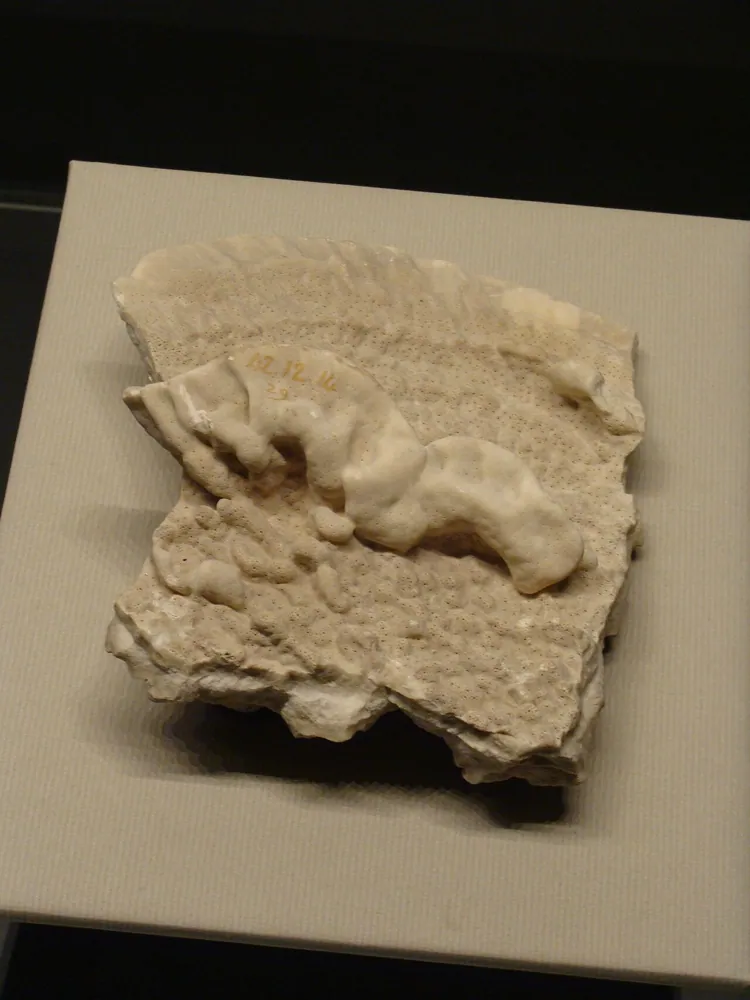
Plate fire coral is a reef-building animal that looks like a coral but is actually a relative of jellyfish. It grows in shallow, sunny reef water across the Indo-Pacific, from the Red Sea and East Africa to northern Australia and French Polynesia. It matters because it helps build reefs and can give a painful burning sting.1


 Ndenge ya koyeba yango
- Colonies are yellow-green or light-brown, and the tips may be white.1
- It usually grows in plate-like or blade-like forms, though it can also form branches, fans or encrusting layers.1
- Colonies often measure 200 to 300 cm across and can be up to 200 cm high.1
Bakosanaka yango mbala mingi na: Other fire corals, such as Millepora dichotoma and Millepora exaesa, are often confused with it. Plate fire coral is generally plate-like or blade-like, which helps tell it apart from them.1
Makasi ya venin
Venin ebimaka na nzela ya nsende ya kotuba.
Venin na yango esalaka nini?
Its defensive polyps carry stinging cells called nematocysts. Contact with them causes a burning sensation in humans.1
Likama na yango mpo na bato ezali boni?
Likama mpo na bato: Epesaka pasiEkoki kopesa pasi mingi, kasi pene na ntango nyonso ezalaka likambo monene te.Esalaka nini ntango ebangi?
Its defensive polyps have long tentacles that sting anything that touches them.1
 Soki etubi
- Bima na mai mpe longola ba tentacule nyonso (na ba gants to na elamba).
- Mpo na ba méduse-boîte ya mai ya molunge: sopa vinaigre na esika etubami mpo na sekonde 30 to koleka, benga lisalisi mpe bongisama mpo na kosala RCP (massage ya motema). Mpo na ba bluebottle mpe mingi mosusu: sukola na mai ya mbu, sima na mai ya moto mpo na pasi.
Benga ntango nyonso nimero ya urgence liboso (112, 000, 911). Oyo ezali toli ya lisalisi ya liboso, ezali toli ya monganga te. Makambo ya moboko ya lisalisi ya liboso
 Zala na libateli
- Ata mokolo moko te, simba, kanga to silikisa nyama ya zamba te, ata ya moke, mpe ata soki emonani lokola elali to ekufi.
- Tika yango esika. Soki okutani na moko, zala kimia, zonga sima malembe mpe tika ekende nzela na yango.
- Soki moko etubi yo: zala kimia, ningana te, benga nimero ya urgence na yo (112, 000, 911) to kende na lopitalo noki. Kanisa ndenge ezalaki, foto esalisaka.
Ezali koluka yo te. Esalelaka venin na yango mpo na kokanga bilei to komibatela, mpe elingaka mingi kobombama. Makambo mosusu mpo na komibatela
Wapi na mokili?
Monene na yango boni?
Molai na yango boni?
 molai lokola bambwa 3, zolo kino mokila
 molai lokola bitabe 17 oyo etiami moko na sima ya mosusu
 malembe koleka escargot ya elanga
Plate fire coral azali monene boni soki tokokanisi na YO?
Kaka ba calcul na navigateur na yo. Eloko moko te ebombamaka to etindamaka esika moko.
Mbangu na yango boni?


Makambo ya solo
Despite its name, plate fire coral is not a true coral. It belongs to the class Hydrozoa, which is separate from the stony and soft corals.1
It has two kinds of polyps: feeding polyps for catching food and defensive polyps with longer tentacles for protection.1
Its colonies can break into fragments during rough water, and these fragments can drift and start new colonies on nearby reefs.1
It can take many forms, including branches, fans, plates, blades and encrusting layers, and its shape depends on where it grows.1
It was once thought to have disappeared from the Eastern Pacific after bleaching events, but researchers later confirmed that its range extends back there.1
It helps build reefs in the Indo-Pacific region.1
Solo to lokuta?
Lokuta: Plate fire coral is a true coral.
Solo: It is a hydrozoan, not a true coral, and is separate from the stony and soft corals.1
Mpo na ba expert ya venin
- Kombo ya siansi
- Millepora platyphylla
- Ebota
- Ba méduse & banyama ya mbu oyo etubaka
- Libota
- Milleporidae2
- Molongo
- Anthoathecata
- Bakontina
- Océan Pacifique, Océan Indien, Mer Rouge, Mer de Corail, Mer des Philippines, Mer de Timor & Mer d'Arafura, Golfe du Bengale, Ba océan
- Bana
- It releases reproductive buds that send eggs and sperm into the water, where fertilisation happens outside the body. The free-swimming larvae settle and become polyps after about 1 day.1
- Likama mpo na bato
- 2 / 5: Epesaka pasi3
Esika makambo euti
- Millepora platyphylla (Wikipedia (CC BY-SA 4.0))
- Millepora platyphylla (iNaturalist): bankombo mpe classification.
- Venom Wiki: niveau ya likama, monene ya momesano mpe kokanisa ya mbangu ezali ya biso moko. Tala ndenge tolukaka yango: Ndenge tomekaka likama.
Likambo nyonso na lokasa oyo ezali na nimero oyo elakisi source na yango. Soki tosali libunga, limbisa biso, tozali bato oyo balingaka banyama, zulunale ya siansi te. Yebisa biso na [email protected] mpe tokobongisa yango.
 Scorpion azali na nzala! Venom Wiki ezali mosala ya moto moko: ya ofele, pibilisite te mpe trackers te. Mwa mbongo moke ya kosalisa esalisaka mpo ete etikala na internet.Pesa scorpion bilei
Mosusu ya ebota moko: Ba méduse & banyama ya mbu oyo etubaka
 Australian box jellyfishBa méduse & banyama ya mbu oyo etubakaEkoki kobomaKosimba te
 Irukandji jellyfishBa méduse & banyama ya mbu oyo etubakaEkoki kobomaKosimba te
 Portuguese man o' warBa méduse & banyama ya mbu oyo etubakaEsengeli mongangaKosimba te
 Lion's mane jellyfishBa méduse & banyama ya mbu oyo etubakaEpesaka kaka pasiKosimba te
 Moon jellyfishBa méduse & banyama ya mbu oyo etubakaEzangi likama
 Common kingslayerBa méduse & banyama ya mbu oyo etubakaEkoki kobomaKosimba te
Ezalaka mpe na: Océan Pacifique
 Geography coneBa escargot cône & ba pieuvreEkoki koboma
 Greater blue-ringed octopusBa escargot cône & ba pieuvreEkoki koboma
 Japanese pufferfishBanyama mosusu ya poisonEkoki koboma
 Southern blue-ringed octopusBa escargot cône & ba pieuvreEkoki koboma
 Hawksbill sea turtleBanyama mosusu ya poisonEkoki koboma
 Reef stonefishMbisi ya veninEkoki kobomaKosimba te