
 Africa
 Asia
Asia Ulaya
Ulaya Amereka ya Kumwera
 Australia ndi Oceania
 Antarctica
 Nyanja ya Pacific
 Nyanja ya Atlantic
 Nyanja ya Indian
 Nyanja ya Arctic
 Nyanja ya Mediterranean
 Nyanja Yofiira
 Nyanja ya Caribbean
 Nyanja ya Coral
 Nyanja ya South China
 Nyanja ya Philippine
 Nyanja ya Andaman
 Nyanja ya Kumpoto (North Sea)
 Nyanja ya Timor ndi Arafura
 Nyanja ya Bengal
 Gulf ya California
Nayarit scorpion
 Imalasa
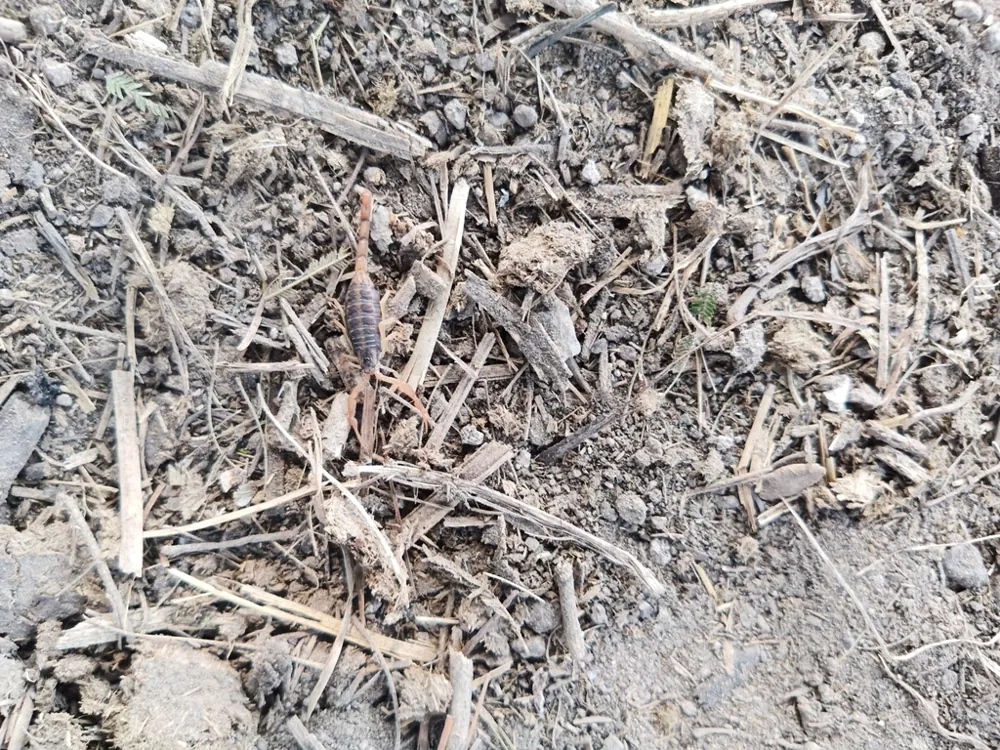
The Nayarit scorpion is a small, dark scorpion from Mexico. It hides under debris and in loose tree bark during the night. It is one of the most venomous scorpions in Mexico, so it is important to know what it looks like and to avoid being stung.1


 Mmene ungaizindikirire
- Adults grow to between 3.5 and 5 cm long.1
- The body is dark, usually black or brown.1
- The legs and pedipalps (the front, claw-like limbs) are generally lighter in colour.1
- It has no fixed colour pattern, and some individuals have other colours.1
- It is mostly active at night and hides in litter, debris, or loose bark of trees and bushes during the day.1
Mphamvu ya ululu
Ululu umatuluka kudzera mu mbola.
Ululu wake umachita chiyani?
Its venom contains highly lethal neurotoxins for mammals, which are toxins that attack the nervous system. The venom attacks sodium and potassium channels, which are the gates that control electrical signals in nerves and muscles. In severe cases, this can stop the respiratory system and the heart from working. Two peptide toxins (small protein-based toxins) have been identified in the venom: noxiustoxin and Cn2 toxin.1
Ndi yoopsa bwanji kwa anthu?
Ngozi kwa anthu: Yoopsa kwambiriIngathe kupha munthu amene sanalandire chithandizo.It is one of the most venomous scorpions in Mexico and one of the most dangerous in Latin America. Its venom is highly lethal to mammals. Its median lethal dose is 5 micrograms for a 20-gram mouse, which means the amount of venom that kills half of the mice tested.1
 Ikalasa
- Ziziritsa pamene walasidwa ndi paketi ya ayezi ndipo munthuyo akhale chete osasuntha. Peza thandizo la dokotala mwachangu, makamaka kwa ana: zinkhanira zina zimapha ana.
Nthawi zonse yamba wayimbira nambala yadzidzidzi (112, 000, 911). Awa ndi malangizo wamba a chithandizo choyamba, osati malangizo a dokotala. Zoyambira za chithandizo choyamba
 Khala wotetezeka
- Usakhudze, kugwira kapena kuseweretsa nyama yakuthengo, ngakhale yaing'ono, ndipo ngakhale ikuoneka ngati yagona kapena yafa.
- Ipatse malo. Ukakumana nayo, khala chete, bwerera m'mbuyo pang'onopang'ono ndipo uilole ipite njira yake.
- Ikakulasa: khala chete, usasunthe, imbira nambala yadzidzidzi (112, 000, 911) kapena pita kuchipatala mwachangu. Kumbukira m'mene inkaonekera, chithunzi chimathandiza.
Sikufuna kukuvulaza. Imagwiritsa ntchito ululu wake kugwira chakudya kapena kudziteteza, ndipo imakonda kwambiri kubisala. Zambiri za kukhala wotetezeka
Kuti padziko lapansi?
Ndi yaikulu bwanji?
Ndi yaitali bwanji?
 yaifupi kuposa chala chako chaching'ono
 ingathamange mamita 100 m'masekondi 300 (munthu wothamanga kwambiri amafunika 9.6)
Nayarit scorpion ndi yaikulu bwanji poyerekeza ndi IWE?
Ndi masamu chabe mu msakatuli wako. Palibe chomwe chimasungidwa kapena kutumizidwa kwina.
Imathamanga bwanji?


Mfundo
Its venom can stop the heart and breathing in mammals, which is why its sting is treated so seriously.1
It is one of the most venomous scorpions in Mexico and one of the most dangerous in Latin America.1
Young scorpions become independent at two or three weeks old, and the mother may eat them.1
During mating, which lasts about 10 minutes, the male holds the female with his pedipalps to avoid being bitten by her.1
It is native to Mexico, but it has also been found in Chile, and it is not known how it got there.1
Za akatswiri a ululu
- Dzina la sayansi
- Centruroides noxius
- Gulu
- Zinkhanira
- Banja
- Buthidae2
- Dongosolo
- Scorpiones
- Makontinenti
- Amereka ya Kumpoto
- Ana akhanda
- It gives birth to live young (ovoviviparous, meaning eggs hatch inside the mother). A female gives birth to between 30 and 60 pups after a gestation period of 4 to 5 months.1
- Ngozi kwa anthu
- 4 / 5: Yoopsa kwambiri3
Kumene mfundo zimachokera
- Centruroides noxius (Wikipedia (CC BY-SA 4.0))
- Centruroides noxius (iNaturalist): mayina ndi magulu a sayansi.
- Venom Wiki: mlingo wa ngozi, kukula wamba ndi kuyerekeza kwa liwiro ndi zathu. Ona mmene timazipezera: Mmene timayezera ngozi.
Mfundo iliyonse patsamba lino ili ndi nambala yosonyeza kochokera. Ngati talakwitsa, pepani, ndife okonda nyama, osati magazini a sayansi. Tiuze pa [email protected] ndipo tikonza.
 Chinkhanira chili ndi njala! Venom Wiki ndi ntchito ya munthu mmodzi: yaulere, yopanda zotsatsa ndi zokutsatira. Mphatso yaing'ono imathandiza kuti ikhalebe pa intaneti.Dyetsa chinkhanira
Zina za gulu lomwelo: Zinkhanira
 Arizona bark scorpion
 Cuban blue scorpion
 Striped bark scorpion
 Giant desert hairy scorpion
 Colima scorpion
 Durango scorpion
Imakhalanso ku: Amereka ya Kumpoto
 TerciopeloNjoka za pit viperYakupha
 Eastern coral snakeNjoka za coralIngathe kupha
 Eastern diamondback rattlesnakeNjoka za rattlesnakeIngathe kupha
 Eyelash viperNjoka za pit viperIngathe kupha
 Timber rattlesnakeNjoka za rattlesnakeIngathe kupha
 Western diamondback rattlesnakeNjoka za rattlesnakeIngathe kupha