
 Afrika
 Asia
Asia Yuropu
 Amerika yeKumaodzanyemba
 Australia neOceania
 Antarctica
 Gungwa rePacific
 Gungwa reAtlantic
 Gungwa reIndia
 Gungwa reArctic
 Gungwa reMediterranean
 Gungwa Dzvuku
 Gungwa reCaribbean
 Gungwa reCoral
 Gungwa reChina yeKumaodzanyemba
 Gungwa rePhilippines
 Gungwa reAndaman
 Gungwa reKuchamhembe
 Gungwa reTimor neArafura
 Gungwa reBengal
 Gulf yeCalifornia
Channel catfish
 Mazonzwa ane uturu
The channel catfish is a freshwater fish native to North America, and it is the continent's most common catfish. It lives in rivers, lakes, ponds and reservoirs, and it is a popular fish for anglers to catch and eat. It has spines on some of its fins that can cause a small injury if it is handled badly.1



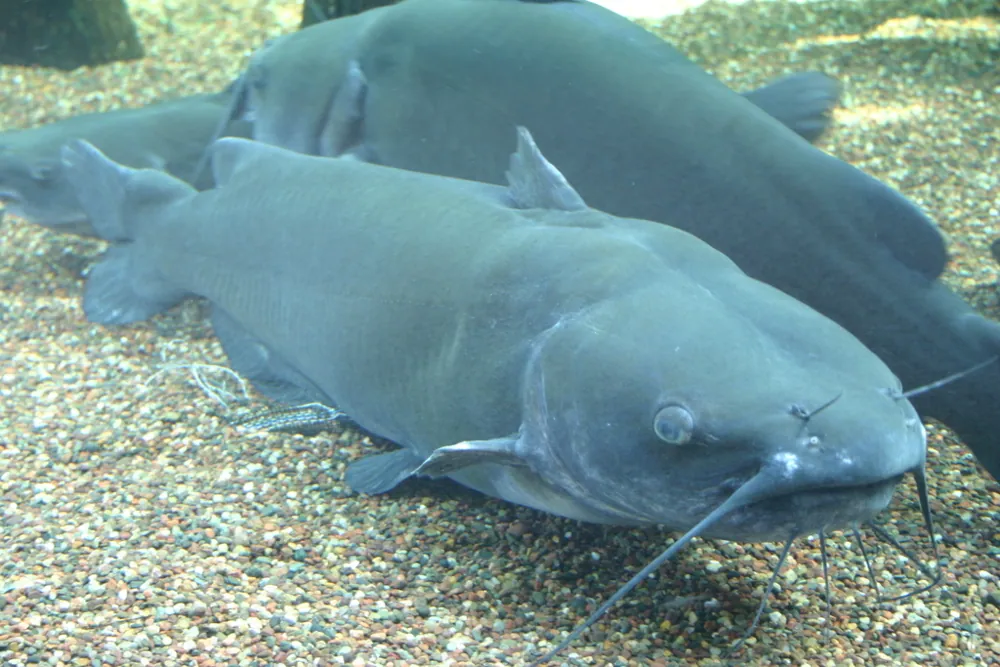
 Maziviro ayo
Simba reuturu
Mazonzwa akapinza ndiwo anotakura uturu. Kuitsika kana kuibata kunorwadza.
Uturu hwayo hunoitei?
The pectoral spine has poisonous tissues that help deter predators.1
Ine ngozi yakadii kuvanhu?
Ngozi kuvanhu: InorwadzaInogona kurwadza chaizvo, asi kazhinji haisi njodzi huru.Its fin spines may cause injury if the fish is handled improperly. A prick from a spine is no more dangerous than a mosquito sting.1
Inoitei kana yatya?
It can lock its pectoral spine as a defence, and the serrated, poison-bearing spine helps to deter predators.1
 Kana minzwa yayo ikakubaya
- Isa ronda mumvura inopisa, inopisa sezvinokwanisa munhu asina kutsva (iedze neruoko rwako), kwemaminitsi 30 kusvika 90. Wana rubatsiro rwechiremba, kunyanya kustonefish nemastingray.
Gara uchitanga wafonera nhamba yechimbichimbi (112, 000, 911). Iri izano rakajairika rerubatsiro rwekutanga, kwete zano rechiremba. Zvakakosha zverubatsiro rwekutanga
 Gara wakachengeteka
- Usambobata mhuka yesango, kuedza kuitora kana kuinetsa, kunyange iri diki, uye kunyange ichiita seyakarara kana yakafa.
- Ipa nzvimbo. Kana ukasangana nayo, dzikama, dzokera shure zvishoma nezvishoma uirege iende nenzira yayo.
- Kana minzwa yayo ikakubaya: dzikama, gara wakanyarara, fonera nhamba yechimbichimbi (112, 000, 911) kana kuti enda kuchipatara nokukurumidza. Rangarira kuti yaitaridzika sei, mufananidzo unobatsira.
Haisi kukutsvaga. Inoshandisa uturu hwayo kubata chikafu kana kuzvidzivirira, uye inotonyanya kuda kuhwanda. Zvimwe pamusoro pekugara wakachengeteka
Yakakura sei?
Yakareba zvakadii?
Inorema zvakadii?

 yakareba sezvidhinha zvematoyi 9 zvakateedzana
 inogona kushambira kureba kwedziva guru rekushambira (50 m) mumasekondi 21
Channel catfish yakakura sei kana yaenzaniswa NEWE?
Masvomhu chete mubrowser yako. Hapana chinochengetwa kana kutumirwa kupi zvako.
Inomhanya zvakadii?

Chokwadi
Taste buds cover the whole body, and they are most dense on the four pairs of barbels around the mouth.1
They can sense certain amino acids in water at about one part per 100 million, which helps them find food in murky water.1
The largest channel catfish on record weighed 26 kg and was caught in South Carolina in 1964.1
Channel catfish are the most fished catfish in the United States, with around 8 million anglers catching them each year.1
Fossils of this species have been found in central North America from the Miocene onwards, and the species has lasted for nearly 20 million years.1
Kansas, Missouri, Nebraska and Tennessee have made the channel catfish their official state fish.1
Kuputsa ngano
Ngano: Channel catfish barbels can sting when touched.
Chokwadi: The barbels cannot sting. The spines on the pectoral and dorsal fins are the only part that can cause injury.1
Kune nyanzvi dzeuturu
Kwakabva chokwadi
- Channel catfish (Wikipedia (CC BY-SA 4.0))
- Ictalurus punctatus (iNaturalist): mazita nekurongwa kwemhuka.
- Venom Wiki: danho rengozi, saizi yakajairika nekufungidzira kwekumhanya ndezvedu. Ona kuti tinozviwana sei: Matinoyera ngozi.
Chokwadi chimwe nechimwe pane peji rino chine nhamba inoratidza kwachakabva. Kana takakanganisa, ruregerero, tiri vanoda mhuka, kwete magazini yesainzi. Tiudze pa[email protected] tichazvigadzirisa.
 Chinyavada chine nzara! Venom Wiki iprojekiti yemunhu mumwe: yemahara, isina kushambadza uye isina zvinokuteedzera. Chipo chidiki chinobatsira kuti irambe iri paindaneti.Fudza chinyavada
 Brown bullhead
 Carolina madtom
 Margined madtom
 Stonecat
 Tadpole madtom
 Reef stonefish
 Terciopelo
 Eastern coral snake
 Eastern diamondback rattlesnake
 Eyelash viper
 Timber rattlesnake
 Western diamondback rattlesnake