
 Afrika
 Asia
Asia Yuropu
 Amerika yeKumaodzanyemba
 Australia neOceania
 Antarctica
 Gungwa rePacific
 Gungwa reAtlantic
 Gungwa reIndia
 Gungwa reArctic
 Gungwa reMediterranean
 Gungwa Dzvuku
 Gungwa reCaribbean
 Gungwa reCoral
 Gungwa reChina yeKumaodzanyemba
 Gungwa rePhilippines
 Gungwa reAndaman
 Gungwa reKuchamhembe
 Gungwa reTimor neArafura
 Gungwa reBengal
 Gulf yeCalifornia
Fen raft spider
 Inoruma
The fen raft spider is a large spider that lives on the edges of still, slow-moving water in Europe. It hunts from plants at the water's edge and can even run across the surface of a pond. It is rare, and it is protected in many places.1


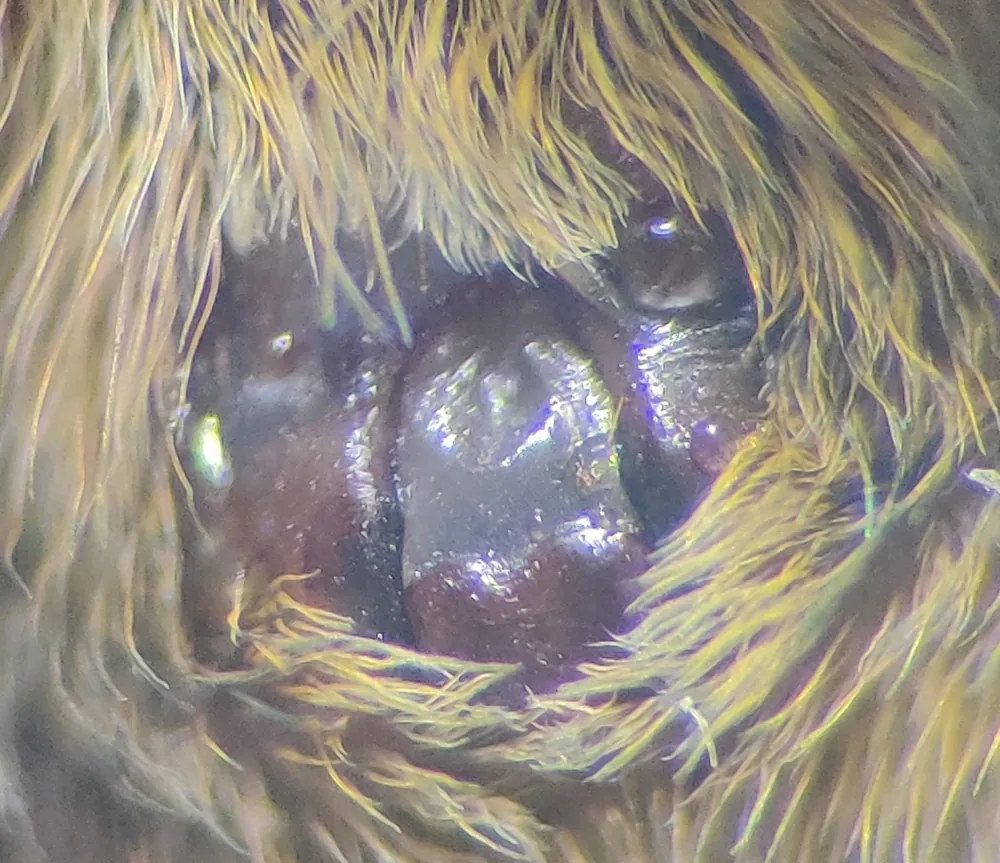
 Maziviro ayo
- It is a large spider within its range. Adult females have bodies slightly over 2 cm long and a leg span of about 7 cm.1
- It is usually black or brown, with white or cream stripes along the sides of the body.1
- It is often found sitting on plant stems at the water's edge, with its back legs on a stem and its front legs on the water.1
Inowanzovhiringidzwa ne: It is very similar in appearance to the closely related raft spider, Dolomedes fimbriatus, and the two are often misidentified. Identification can be difficult.1
Simba reuturu
Uturu hunobuda nemeno ayo painoruma.
Ine ngozi yakadii kuvanhu?
Ngozi kuvanhu: Ngozi shomaSenyuchi kubaya kana kushoma. Kazhinji haina ngozi kuvanhu. Kana ikaruma
- Geza parumwa woisa pakiti yechando kuderedza marwadzo. Wana rubatsiro rwechiremba kana marwadzo akanyanya, achipararira kana munhu asinganzwi zvakanaka.
Gara uchitanga wafonera nhamba yechimbichimbi (112, 000, 911). Iri izano rakajairika rerubatsiro rwekutanga, kwete zano rechiremba. Zvakakosha zverubatsiro rwekutanga
 Gara wakachengeteka
- Usambobata mhuka yesango, kuedza kuitora kana kuinetsa, kunyange iri diki, uye kunyange ichiita seyakarara kana yakafa.
- Ipa nzvimbo. Kana ukasangana nayo, dzikama, dzokera shure zvishoma nezvishoma uirege iende nenzira yayo.
- Kana imwe ikakuruma: dzikama, gara wakanyarara, fonera nhamba yechimbichimbi (112, 000, 911) kana kuti enda kuchipatara nokukurumidza. Rangarira kuti yaitaridzika sei, mufananidzo unobatsira.
Haisi kukutsvaga. Inoshandisa uturu hwayo kubata chikafu kana kuzvidzivirira, uye inotonyanya kuda kuhwanda. Zvimwe pamusoro pekugara wakachengeteka
Yakakura sei?
Yakareba zvakadii?
 yakareba sezvidhinha zvematoyi 2 zvakateedzana
 inogona kumhanya mamita 100 mumasekondi 280 (munhu anomhanyisa kupfuura vose anoda 9.6)
Fen raft spider yakakura sei kana yaenzaniswa NEWE?
Masvomhu chete mubrowser yako. Hapana chinochengetwa kana kutumirwa kupi zvako.
Inomhanya zvakadii?


Chokwadi
It can run across the surface of water by using surface tension, the force that keeps the water's skin intact.1
It can also hunt underwater by running down plant stems, and it can use this route to escape predators.1
It detects prey using sensory hairs on its legs, which pick up the vibrations made when prey hits the water.1
Before hatching, the female builds a tent-like nursery web on plants above the water, where she guards the young.1
In 2010, around 1,600 hand-reared spiderlings were released at a new UK site, which were fed on fruit flies.1
Males mate early in the season and most die by late July. Females survive until the end of summer.1
Kune nyanzvi dzeuturu
- Zita resainzi
- Dolomedes plantarius
- Boka
- Madandemutande
- Mhuri
- Dolomedidae2
- Odha
- Araneae
- Makondinendi
- Yuropu
- Vacheche
- The female lays several hundred eggs in a silk sac about 10 mm across, which she carries under her body for around three weeks.1
- Makore ekurarama
- kunenge makore 2,51
- Iri kurarama sei musango
- Vulnerable (IUCN Red List). In the UK it is Nationally Rare and protected by law.1
- Ngozi kuvanhu
- 1 / 5: Ngozi shoma3
Kwakabva chokwadi
- Great raft spider (Wikipedia (CC BY-SA 4.0))
- Dolomedes plantarius (iNaturalist): mazita nekurongwa kwemhuka.
- Venom Wiki: danho rengozi, saizi yakajairika nekufungidzira kwekumhanya ndezvedu. Ona kuti tinozviwana sei: Matinoyera ngozi.
Chokwadi chimwe nechimwe pane peji rino chine nhamba inoratidza kwachakabva. Kana takakanganisa, ruregerero, tiri vanoda mhuka, kwete magazini yesainzi. Tiudze pa[email protected] tichazvigadzirisa.
 Chinyavada chine nzara! Venom Wiki iprojekiti yemunhu mumwe: yemahara, isina kushambadza uye isina zvinokuteedzera. Chipo chidiki chinobatsira kuti irambe iri paindaneti.Fudza chinyavada
Zvimwe kubva muboka rimwe chete: Madandemutande
 Mediterranean black widow
 Diving bell spider
 European yellow sac spider
 Noble false widow
 Tarantula wolf spider
 Daddy long-legs spider
Inogarawo mu: Yuropu
 Common European adderMavhaipa nemaadderInoda chiremba
 Spanish flyDzimwe mhuka dzine chepfuInoda chirembaUsabata
 Common waspNyuchi, mago nemahornetInongorwadza
 European hornetNyuchi, mago nemahornetInongorwadza
 Fire salamanderMatatya ane chepfu, matoad nemanewtInongorwadzaUsabata
 Western honey beeNyuchi, mago nemahornetInongorwadza