
 Afrika
 Asia
Asia Yuropu
 Amerika yeKumaodzanyemba
 Australia neOceania
 Antarctica
 Gungwa rePacific
 Gungwa reAtlantic
 Gungwa reIndia
 Gungwa reArctic
 Gungwa reMediterranean
 Gungwa Dzvuku
 Gungwa reCaribbean
 Gungwa reCoral
 Gungwa reChina yeKumaodzanyemba
 Gungwa rePhilippines
 Gungwa reAndaman
 Gungwa reKuchamhembe
 Gungwa reTimor neArafura
 Gungwa reBengal
 Gulf yeCalifornia
Glory of the sea cone
 Inobaya
The Glory of the Sea Cone is a sea snail with a striking shell, part of the cone snail family. It lives in the warm waters of the Pacific and Indian Oceans. It is special because collectors once thought it was the rarest shell in the world.1
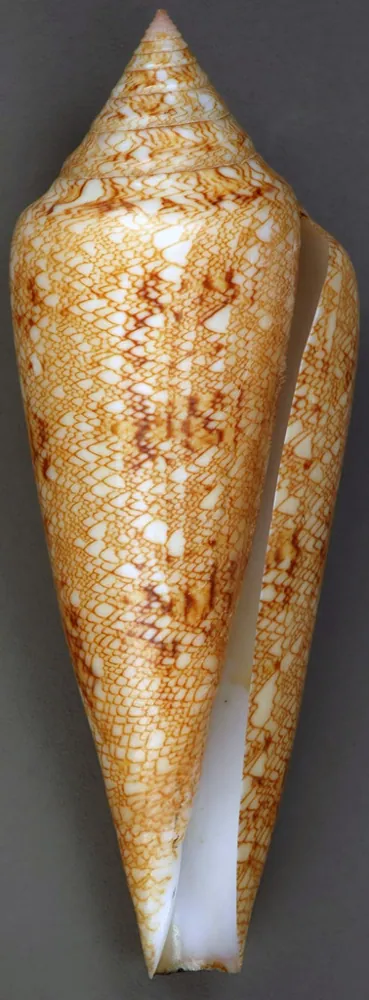
 Maziviro ayo
- A relatively large, slender shell with a tall spire1
- Typical shell length is 8 to 12 cm, and it can reach 16 cm1
- A fine net-like pattern of orange-brown lines that enclose triangular spaces1
- Two or three bands of chestnut, hieroglyphic-like markings across the body1
- Tan colouring that can range from light golden to deep dark brown1
Inowanzovhiringidzwa ne: It is sometimes confused with the common Textile cone, and it has a similarity to the Bengal cone.1
Simba reuturu
Uturu hunobuda nerumbori.
Ine ngozi yakadii kuvanhu?
Ngozi kuvanhu: YakakombaKubayiwa kunoda chiremba. Kufa hakuwanzoitiki zvachose. Kana ikabaya
- Kusunga nekumisa (pressure immobilisation): monera bhandeji rinotambanuka zvakasimba pamusoro peparumwa wozokwira nenhengo yose, isungirire nechitsigiso (splint), uye chengeta munhu asingafambe zvachose kusvikira rubatsiro rwasvika.
- Octopus ine mhete dzebhuruu kana hozhwa yecone inogona kumisa kufema kwemunhu achiri kumuka: shevedza rubatsiro ugare wakagadzirira kumufemera mumuromo kusvikira vanhu veambulensi vatora basa.
Gara uchitanga wafonera nhamba yechimbichimbi (112, 000, 911). Iri izano rakajairika rerubatsiro rwekutanga, kwete zano rechiremba. Zvakakosha zverubatsiro rwekutanga
 Gara wakachengeteka
- Usambobata mhuka yesango, kuedza kuitora kana kuinetsa, kunyange iri diki, uye kunyange ichiita seyakarara kana yakafa.
- Ipa nzvimbo. Kana ukasangana nayo, dzikama, dzokera shure zvishoma nezvishoma uirege iende nenzira yayo.
- Kana imwe ikakubaya: dzikama, gara wakanyarara, fonera nhamba yechimbichimbi (112, 000, 911) kana kuti enda kuchipatara nokukurumidza. Rangarira kuti yaitaridzika sei, mufananidzo unobatsira.
Haisi kukutsvaga. Inoshandisa uturu hwayo kubata chikafu kana kuzvidzivirira, uye inotonyanya kuda kuhwanda. Zvimwe pamusoro pekugara wakachengeteka
Kupi pasi rose?
Yakakura sei?
Yakareba zvakadii?
 yakareba sezvidhinha zvematoyi 5 zvakateedzana
 inononoka kupfuura hozhwa yemugadheni
Glory of the sea cone yakakura sei kana yaenzaniswa NEWE?
Masvomhu chete mubrowser yako. Hapana chinochengetwa kana kutumirwa kupi zvako.
Inomhanya zvakadii?

Chokwadi
For about two centuries, this shell was regarded as the rarest shell in the world.1
Specimens were once valued in the thousands of U.S. dollars and were generally owned only by museums and wealthy private collectors.1
Today, shells can often be found from retailers or online auction sites for less than $100 U.S.1
Its habitat was not discovered until 1969.1
Improvements in diving technology, such as scuba, led to the discovery of far more shells.1
Kuputsa ngano
Ngano: A collector bought one at auction in 1792 and destroyed it to keep the value of another one he owned.
Chokwadi: This is an urban legend, a popular story that has spread among collectors. It is not an established fact.1
Kwakabva chokwadi
- Conus gloriamaris (Wikipedia (CC BY-SA 4.0))
- Conus gloriamaris (iNaturalist): mazita nekurongwa kwemhuka.
- Venom Wiki: danho rengozi, saizi yakajairika nekufungidzira kwekumhanya ndezvedu. Ona kuti tinozviwana sei: Matinoyera ngozi.
Chokwadi chimwe nechimwe pane peji rino chine nhamba inoratidza kwachakabva. Kana takakanganisa, ruregerero, tiri vanoda mhuka, kwete magazini yesainzi. Tiudze pa[email protected] tichazvigadzirisa.
 Chinyavada chine nzara! Venom Wiki iprojekiti yemunhu mumwe: yemahara, isina kushambadza uye isina zvinokuteedzera. Chipo chidiki chinobatsira kuti irambe iri paindaneti.Fudza chinyavada
Zvimwe kubva muboka rimwe chete: Hozhwa dzecone nemaoctopus
 Geography coneHozhwa dzecone nemaoctopusInouraya
 Greater blue-ringed octopusHozhwa dzecone nemaoctopusInouraya
 Southern blue-ringed octopusHozhwa dzecone nemaoctopusInouraya
 Blue sea dragonHozhwa dzecone nemaoctopusInongorwadza
 Common octopusHozhwa dzecone nemaoctopusIsina ngozi
 Giant Pacific octopusHozhwa dzecone nemaoctopusIsina ngozi
Inogarawo mu: Gungwa rePacific
 Australian box jellyfishMajellyfish nezvimwe zvinobaya zvegungwaInourayaUsabata
 Japanese pufferfishDzimwe mhuka dzine chepfuInouraya
 Hawksbill sea turtleDzimwe mhuka dzine chepfuInogona kuuraya
 Irukandji jellyfishMajellyfish nezvimwe zvinobaya zvegungwaInogona kuurayaUsabata
 Reef stonefishHove dzine uturuInogona kuurayaUsabata
 Crown-of-thorns starfishMasea urchin, nyeredzi dzegungwa nemakonye egungwaInoda chirembaUsabata