
 Afrika
 Asia
Asia Yuropu
 Amerika yeKumaodzanyemba
 Australia neOceania
 Antarctica
 Gungwa rePacific
 Gungwa reAtlantic
 Gungwa reIndia
 Gungwa reArctic
 Gungwa reMediterranean
 Gungwa Dzvuku
 Gungwa reCaribbean
 Gungwa reCoral
 Gungwa reChina yeKumaodzanyemba
 Gungwa rePhilippines
 Gungwa reAndaman
 Gungwa reKuchamhembe
 Gungwa reTimor neArafura
 Gungwa reBengal
 Gulf yeCalifornia
White-marked tussock moth
 Mvere dzinobaya
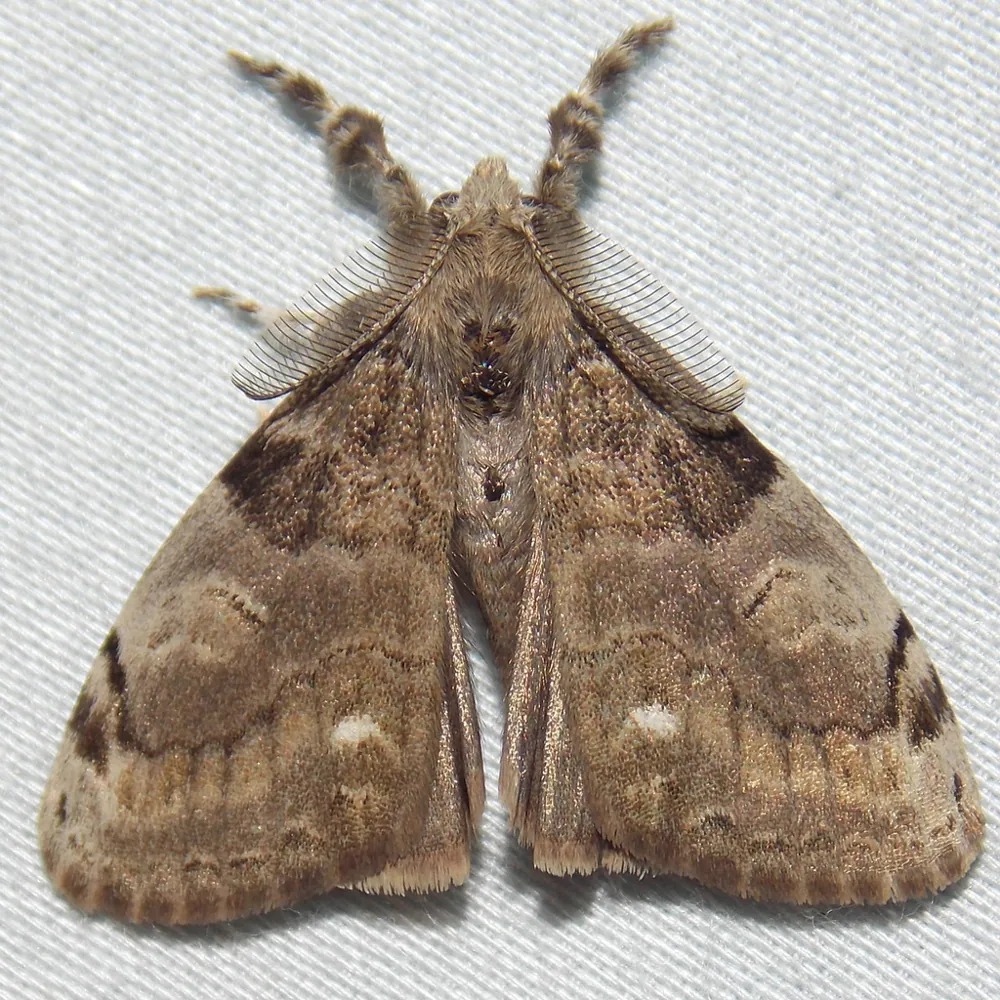
The white-marked tussock moth is a moth whose caterpillar is brightly coloured and covered in hairs. It is very common in late summer in eastern North America, and its hairs can cause an allergic reaction in many people who touch them.1

 Maziviro ayo
- Caterpillar has a bright red head and yellow or white stripes on the body, with a black stripe along the middle of the back1
- Caterpillar has bright red glands at the hind end of the back and four white, toothbrush-like tufts standing out from the back1
- Caterpillar has a grey-brown hair pencil at its hind end1
- Adult males are grey with wavy black lines and a white spot on the forewings1
- Adult males have very feathery antennae; females have reduced wings and stay near their cocoon1
Inowanzovhiringidzwa ne: The vapourer (Orgyia antiqua) is similar to the adult male but is a rusty colour rather than grey.1
Simba reuturu
Mvere diki dzinodimbukira muganda dzichibaya.
Ine ngozi yakadii kuvanhu?
Ngozi kuvanhu: Ngozi shomaSenyuchi kubaya kana kushoma. Kazhinji haina ngozi kuvanhu.Touching the hairs of the caterpillar sets off an allergic reaction in many humans.1
Inoitei kana yatya?
The caterpillar has bright red defensive glands on the hind end of its back, and its hairs can cause an allergic reaction if touched.1
 Kana ukabata mvere dzayo
- Kune mvere dzemakonye anobaya: dzibvise nekamatepi kanonamira, wozogeza ganda. Usakwesha.
- Kana yakuruma: geza parumwa wotonhodza. Wana rubatsiro rwechiremba kana munhu asinganzwi zvakanaka kana achibuda ropa zviri nyore.
Gara uchitanga wafonera nhamba yechimbichimbi (112, 000, 911). Iri izano rakajairika rerubatsiro rwekutanga, kwete zano rechiremba. Zvakakosha zverubatsiro rwekutanga
 Gara wakachengeteka
- Usambobata mhuka yesango, kuedza kuitora kana kuinetsa, kunyange iri diki, uye kunyange ichiita seyakarara kana yakafa.
- Ipa nzvimbo. Kana ukasangana nayo, dzikama, dzokera shure zvishoma nezvishoma uirege iende nenzira yayo.
- Kana ukabata mvere dzayo: dzikama, gara wakanyarara, fonera nhamba yechimbichimbi (112, 000, 911) kana kuti enda kuchipatara nokukurumidza. Rangarira kuti yaitaridzika sei, mufananidzo unobatsira.
Haisi kukutsvaga. Inoshandisa uturu hwayo kubata chikafu kana kuzvidzivirira, uye inotonyanya kuda kuhwanda. Zvimwe pamusoro pekugara wakachengeteka
Yakakura sei?
Yakareba zvakadii?
 inenge kureba sechibatanidzo chemapepa
 inononoka kupfuura hozhwa yemugadheni
White-marked tussock moth yakakura sei kana yaenzaniswa NEWE?
Masvomhu chete mubrowser yako. Hapana chinochengetwa kana kutumirwa kupi zvako.
Inomhanya zvakadii?

Chokwadi
The four white tufts on the caterpillar's back may mimic the cocoons of parasitic wasps.1
Large caterpillars are mostly eaten by birds, while small caterpillars mostly disappear while dispersing.1
The fungus Entomophaga maimaiga was introduced to North America to control the spongy moth, and it also infects this species.1
There are two or more generations each year in eastern North America, and the eggs overwinter.1
Kwakabva chokwadi
- Orgyia leucostigma (Wikipedia (CC BY-SA 4.0))
- Orgyia leucostigma (iNaturalist): mazita nekurongwa kwemhuka.
- Venom Wiki: danho rengozi, saizi yakajairika nekufungidzira kwekumhanya ndezvedu. Ona kuti tinozviwana sei: Matinoyera ngozi.
Chokwadi chimwe nechimwe pane peji rino chine nhamba inoratidza kwachakabva. Kana takakanganisa, ruregerero, tiri vanoda mhuka, kwete magazini yesainzi. Tiudze pa[email protected] tichazvigadzirisa.
 Chinyavada chine nzara! Venom Wiki iprojekiti yemunhu mumwe: yemahara, isina kushambadza uye isina zvinokuteedzera. Chipo chidiki chinobatsira kuti irambe iri paindaneti.Fudza chinyavada
Zvimwe kubva muboka rimwe chete: Makonye nezvipukanana
 Giant water bugMakonye nezvipukananaInongorwadza
 Puss caterpillarMakonye nezvipukananaInongorwadzaUsabata
 Saddleback caterpillarMakonye nezvipukananaInongorwadzaUsabata
 Wheel bugMakonye nezvipukananaInongorwadza
 Giant vinegaroonMakonye nezvipukananaIsina ngozi
 Rhodnius kissing bugMakonye nezvipukananaInoda chiremba
 Terciopelo
 Eastern coral snake
 Eastern diamondback rattlesnake
 Eyelash viper
 Timber rattlesnake
 Western diamondback rattlesnake