
 Afrika
 Asia
Asia Yuropa
 Amerika Borwa
 Australia le Oceania
 Antarctica
 Lewatle la Pacific
 Lewatle la Atlantic
 Lewatle la India
 Lewatle la Arctic
 Lewatle la Mediterranean
 Lewatle le Lefubedu
 Lewatle la Caribbean
 Lewatle la Coral
 Lewatle la China Borwa
 Lewatle la Philippine
 Lewatle la Andaman
 Lewatle la Leboya
 Lewatle la Timor le Arafura
 Kgwohlo ya Bengal
 Kgwohlo ya California
Brown widow
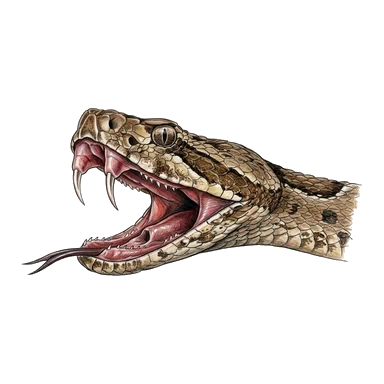 Ho loma
The brown widow is a spider in the widow family, a close cousin of the black widow. It lives in many parts of the world, often around houses and buildings. Its bite is painful but usually not dangerous.1
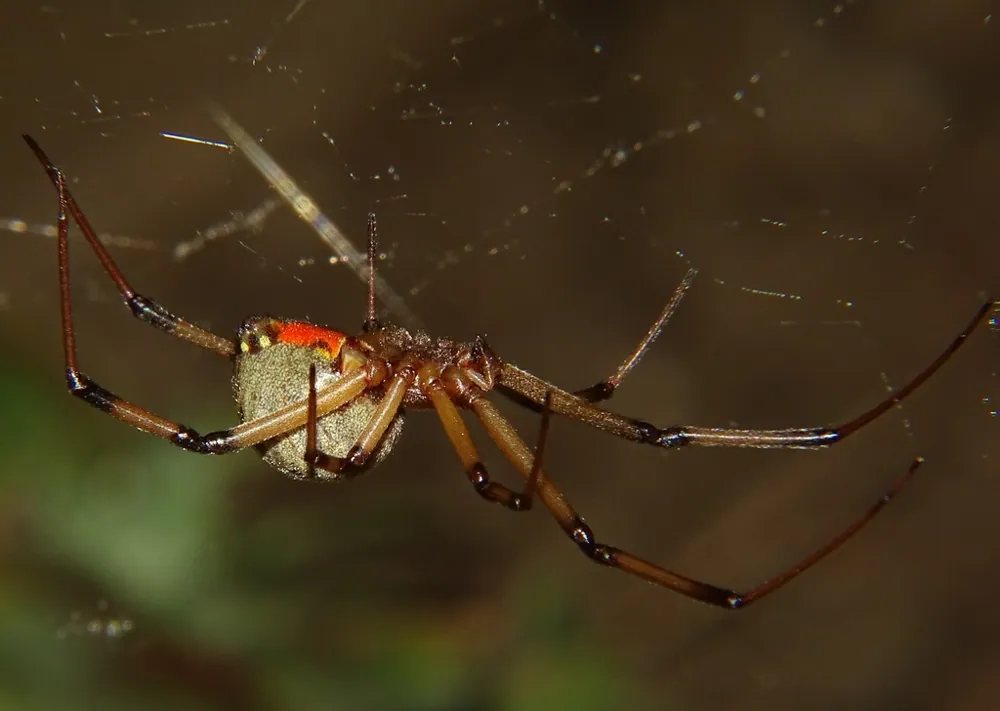
 Ho e tseba jwang
- Black and white geometric pattern on the top of the abdomen1
- Usually a bright orange or yellowish hourglass marking on the underside of the abdomen1
- Body colour ranges from tan and dark brown to black, with shades of grey also possible1
- Stripes on the legs1
- Egg sacs are spiky, like a sandspur, and sometimes described as tufted, fluffy or spiky1
Hangata e ferekanngwa le: The black widow is slightly larger and darker, and has a red hourglass on the underside. The brown widow is lighter, has an orange or yellow hourglass, and has a black and white pattern on top of the abdomen that the black widow does not have. In southern Africa, the brown widow's relative L. rhodesiensis, native to Zimbabwe, is also called a brown button spider.1
Matla a chefo
Chefo e tswa ka meno a yona a chefo (fangs) kapa ka meno a mang ha e loma.
Chefo ya yona (eo e e kenyang ka ho loma kapa ho hlaba) e etsang?
Like all widow spiders, the brown widow has a neurotoxic venom, which attacks the nerves. It causes latrodectism, a set of very unpleasant symptoms. The effects are usually confined to the bite area and the tissue around it.1
E kotsi hakae ho batho?
Kotsi ho batho: E bohlokoE ka utlwisa bohloko haholo, empa hoo e batlang e le kamehla ha e kotsi haholo.Brown widow bites are usually not very dangerous, and are much less dangerous than black widow bites. The spider cannot deliver as much venom as a black widow, so its bites are considered minor. They are painful.1
 Haeba e loma
- Hlatswa moo e lomileng teng mme o bee pakete ya leqhwa hodima teng bakeng sa bohloko. Fumana thuso ya bongaka haeba bohloko bo le matla, bo phatlalla kapa motho a ikutlwa a kula.
Kamehla letsetsa nomoro ya tshohanyetso pele (112, 000, 911). Ena ke tataiso e akaretsang ya thuso ya pele, hase keletso ya bongaka. Metheo ya thuso ya pele
 Dula o bolokehile
- O se ke wa ama, wa tshwara kapa wa tena phoofolo ya naheng, leha e le e nyenyane, le leha e shebahala e robetse kapa e shwele.
- E fe sebaka. Ha o kopana le yona, dula o kgutsitse, kgutlela morao butle mme o e tlohele e tsamaye ka tsela ya yona.
- Haeba e nngwe e o loma: dula o kgutsitse, o se ke wa sisinyeha, letsetsa nomoro ya tshohanyetso (112, 000, 911) kapa o ye sepetlele kapele. Hopola hore e ne e shebahala jwang, foto e a thusa.
Ha e o batle. E sebedisa chefo ya yona ho tshwara dijo kapa ho itshireletsa, mme e kgetha ho ipata. Ho eketsehileng ka ho dula o bolokehile
Hokae lefatsheng?
E kgolo hakae?
E telele hakae?
 e telele jwaloka klipi ya pampiri
Brown widow e kgolo hakae ha e bapiswa le WENA?
Ke dipalo feela ka hara sebatli sa hao. Ha ho letho le bolokwang kapa le romelwang kae kapa kae.
E potlaka hakae?


Dintlha
In Southern California, researchers suggest the brown widow may be pushing black widows out of the area by competing and fighting for territory.1
Its egg sacs are so spiky that they are easy to tell apart from those of most other spiders.1
A female can make up to 20 egg sacs over her lifetime, with 120 to 150 eggs in each.1
Brown widows are preyed upon by wasps, including blue mud-dauber wasps and digger wasps.1
Ho senya ditshomo
Tshomo: The brown widow is as dangerous as the black widow.
Nnete: Brown widow bites are usually not very dangerous and are much less dangerous than black widow bites.1
Bakeng sa ditsebi tsa chefo
- Lebitso la saense
- Latrodectus geometricus
- Sehlopha
- Dikgo
- Lelapa
- Theridiidae2
- Tatelano
- Araneae
- Dikontinente
- Afrika
- Masea
- Eggs hatch in about 20 days. Each female lays about 120 to 150 eggs per sac and can make up to 20 sacs in her lifetime.1
- Boemo ba yona naheng
- Least Concern (South African National Biodiversity Institute)1
- Kotsi ho batho
- 2 / 5: E bohloko3
Moo dintlha di tswang teng
- Latrodectus geometricus (Wikipedia (CC BY-SA 4.0))
- Latrodectus geometricus (iNaturalist): mabitso le tlhophiso.
- Venom Wiki: boemo ba kotsi, boholo bo tlwaelehileng le kakanyo ya lebelo ke tsa rona. Bona kamoo re di balang ka teng: Kamoo re lekanyang kotsi ka teng.
Taba e nngwe le e nngwe leqepheng lena e na le nomoro e bontshang mohlodi wa yona. Haeba re entse phoso, re kopa tshwarelo, re barati ba diphoofolo, hase makasine wa saense. Re bolelle ho [email protected] mme re tla e lokisa.
 Phepheng e lapile! Venom Wiki ke projeke ya motho a le mong: ke mahala, ha e na dipapatso ebile ha e na di-tracker. Thuso e nyenyane ya tjhelete e e boloka e ntse e le inthaneteng.Fepa phepheng
 Mediterranean black widow
 Six-eyed sand spider
 Noble false widow
 Darwin's bark spider
 Wasp spider
 Black button spider
 Black mamba
 Deathstalker
 Egyptian cobra
 Puff adder
 Boomslang
 Fat-tailed scorpion