
 Áfíríkà
 Éṣíà
Éṣíà Yúróòpù
 Gúúsù Amẹ́ríkà
 Ọsirélíà àti Òṣéáníà
 Antáktíkà
 Òkun Pàsífíìkì
 Òkun Àtìláńtíìkì
 Òkun Íńdíà
 Òkun Áktíkì
 Òkun Mẹditaréníà
 Òkun Pupa
 Òkun Káríbíànù
 Òkun Coral
 Òkun Gúúsù Ṣáínà
 Òkun Fílípínì
 Òkun Andaman
 Òkun Àríwá
 Òkun Tímọ̀ àti Òkun Àráfúrà
 Ìyawọlẹ̀ Òkun Bẹ̀ngál
 Ìyawọlẹ̀ Òkun Kalifọ́níà
Brazilian salmon pink birdeater
 Ìbùjẹ
ÌbùjẹThe Brazilian salmon pink bird-eating tarantula is a large spider from north-eastern Brazil. It is one of the biggest tarantulas in the world, and it is a popular pet among tarantula keepers because it is calm and breeds easily.1



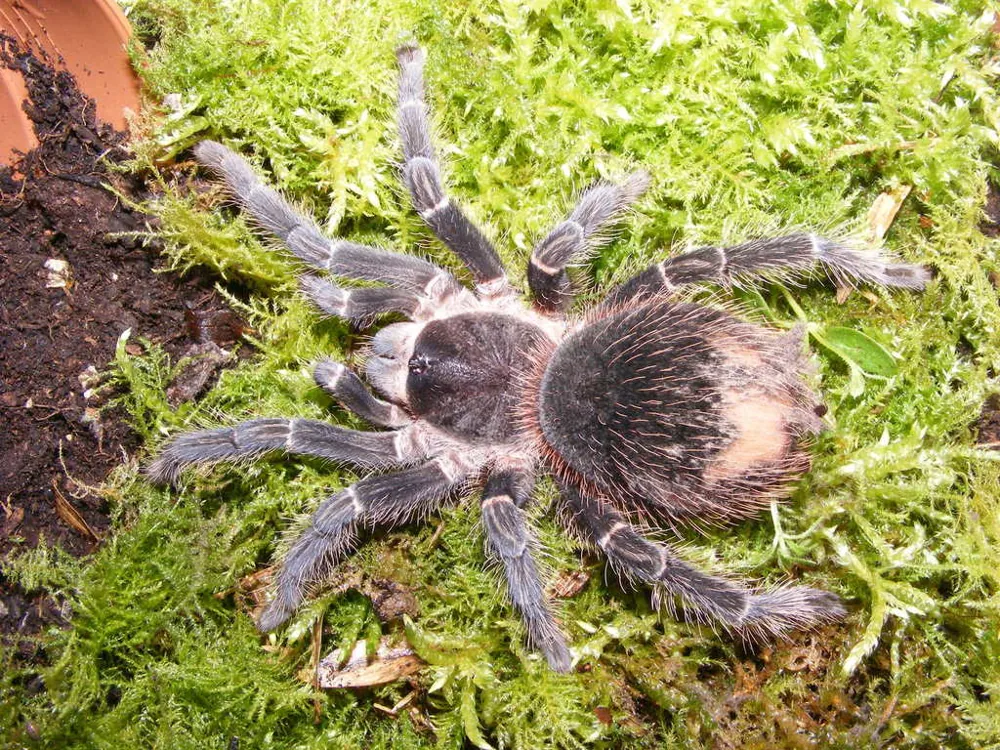
 Bí o ṣe lè dá a mọ̀
Agbára oró
Oró ń jáde láti inú eyín oró tàbí eyín rẹ̀ nígbà tí ó bá bùjẹ.
Kí ni oró rẹ̀ máa ń ṣe?
The venom is weak to humans. The bite is painful, and the fangs, which can be up to 2.5 cm long, can penetrate human skin. Some sites claim the bite is similar to a cat bite, but this is not confirmed.1
Báwo ló ṣe léwu tó fún ènìyàn?
Ewu fún ènìyàn: Fúyẹ́Bí ìtani oyin tàbí kò tó bẹ́ẹ̀. Kò fẹ́rẹ̀ẹ́ léwu fún ènìyàn.A bite is mechanically dangerous because of the fangs, but it is not medically significant. The tarantula bites only when provoked, and only as a last resort. Its urticating hairs can cause mild to severe skin irritation. Handling can also seriously injure or kill the tarantula, because a fall of more than a few inches can rupture its abdomen.1
Kí ni ó máa ń ṣe nígbà tí ẹ̀rù bá bà á?
When threatened, it raises its legs and the front of its body to deter predators, flicks irritating urticating hairs from its abdomen, and only bites if the attack continues.1
 Bí ó bá bùjẹ
- Fọ ibi ìbùjẹ náà kí o sì tù ú. Wá ìrànlọ́wọ́ ìṣègùn bí ìrora bá le tàbí tí ara ẹni náà kò bá yá.
Máa kọ́kọ́ pe nọ́ńbà pàjáwìrì rẹ nígbà gbogbo (112, 000, 911). Èyí jẹ́ ìtọ́sọ́nà ìtọ́jú àkọ́kọ́ gbogbogbò, kì í ṣe ìmọ̀ràn ìṣègùn. Ìpìlẹ̀ ìtọ́jú àkọ́kọ́
 Wà láìléwu
- Má ṣe fọwọ́ kan, mú tàbí yọ ẹranko igbó lẹ́nu láéláé, kódà bí ó bá kéré, kódà bí ó bá dà bí ẹni pé ó ń sùn tàbí ó ti kú.
- Fún un ní àyè. Bí o bá pàdé ọ̀kan, farabalẹ̀, sẹ́yìn díẹ̀díẹ̀ kí o sì jẹ́ kí ó máa bá ọ̀nà rẹ̀ lọ.
- Bí ọ̀kan bá bù ọ́ jẹ: farabalẹ̀, má ṣe mira, pe nọ́ńbà pàjáwìrì rẹ (112, 000, 911) tàbí lọ sí ilé ìwòsàn kíákíá. Rántí bí ó ṣe rí, fọ́tò máa ń ṣèrànwọ́.
Kò wá ọ kiri láti ṣe ọ́ léṣe. Ó ń lo oró rẹ̀ láti mú oúnjẹ tàbí láti dáàbò bo ara rẹ̀, ó sì fẹ́ràn láti farapamọ́ jù. Sí i nípa wíwà láìléwu
Báwo ló ṣe tóbi tó?
Báwo ló ṣe gùn tó?
Báwo ló ṣe wúwo tó?

 ó gùn tó bíríkì ìṣeré 9 tí a tò sí ìlà kan
 lè sáré mítà 100 ní ìṣẹ́jú-àáyá 160 (ènìyàn tó yára jùlọ nílò 9.6)
Báwo ni Brazilian salmon pink birdeater ṣe tóbi tó tí a bá fi wé ÌWỌ?
Ìṣirò nìkan nínú bráwúsà rẹ. A kò fi ohunkóhun pamọ́, a kò sì fi ránṣẹ́ sí ibikíbi.
Báwo ló ṣe yára tó?


Òtítọ́
Males must hook back the female's fangs during mating, and slow males risk being eaten by the female.1
It is considered the fourth largest tarantula in the world, behind the three species in the genus Theraphosa.1
Before moulting, it lies on its back and forces itself out of its old skin, and it stops eating a few days beforehand.1
Males deposit sperm onto a webbed mat, called a sperm web, before finding a female.1
Olùfọ́ àròsọ
Àròsọ: Brazilian salmon pink tarantulas are bird-eaters.
Òtítọ́: There is very little evidence that they catch and eat birds. In the wild they mainly eat large insects and sometimes amphibians and small reptiles.1
Ibi tí àwọn òtítọ́ ti wá
- Lasiodora parahybana (Wikipedia (CC BY-SA 4.0))
- Lasiodora parahybana (iNaturalist): orúkọ àti ìpínsísọ̀rí.
- Venom Wiki: ìpele ewu, ìtóbi déédé àti àfojúbù ìyára jẹ́ tiwa. Wo bí a ṣe ń ṣírò wọn: Bí a ṣe ń díwọ̀n ewu.
Gbogbo òtítọ́ ojú-ìwé yìí ní nọ́ńbà tó tọ́ka sí orísun rẹ̀. Bí a bá ṣe àṣìṣe, má bínú, olólùfẹ́ ẹranko ni wá, kì í ṣe ìwé ìròyìn sáyẹ́ǹsì. Sọ fún wa ní [email protected] a ó sì tún un ṣe.
 Ebi ń pa àkekèé! Iṣẹ́ akanṣe ẹnì kan ṣoṣo ni Venom Wiki: ọ̀fẹ́ ni, kò sí ìpolówó, kò sì sí olùtọpinpin. Ẹ̀bùn kékeré ń ràn án lọ́wọ́ láti wà lórí íńtánẹ́ẹ̀tì.Bọ́ àkekèé
Sí i láti inú ẹgbẹ́ kan náà: Tarantula àti funnel-web
 Goliath birdeaterTarantula àti funnel-webÓ kàn ń dunni
 Chilean rose tarantulaTarantula àti funnel-webAláìléwu
 Greenbottle blue tarantulaTarantula àti funnel-webAláìléwu
 Pinktoe tarantulaTarantula àti funnel-webAláìléwu
 Brazilian funnel-web spiderTarantula àti funnel-webÓ nílò dókítà
 Burgundy goliath birdeaterTarantula àti funnel-webÓ kàn ń dunni
 Golden poison frog
 Terciopelo
 Brazilian wandering spider
 Eyelash viper
 Golden lancehead
 South American bushmaster