
 Áfíríkà
 Éṣíà
Éṣíà Yúróòpù
 Gúúsù Amẹ́ríkà
 Ọsirélíà àti Òṣéáníà
 Antáktíkà
 Òkun Pàsífíìkì
 Òkun Àtìláńtíìkì
 Òkun Íńdíà
 Òkun Áktíkì
 Òkun Mẹditaréníà
 Òkun Pupa
 Òkun Káríbíànù
 Òkun Coral
 Òkun Gúúsù Ṣáínà
 Òkun Fílípínì
 Òkun Andaman
 Òkun Àríwá
 Òkun Tímọ̀ àti Òkun Àráfúrà
 Ìyawọlẹ̀ Òkun Bẹ̀ngál
 Ìyawọlẹ̀ Òkun Kalifọ́níà
Eastern yellowjacket
 Ìtani
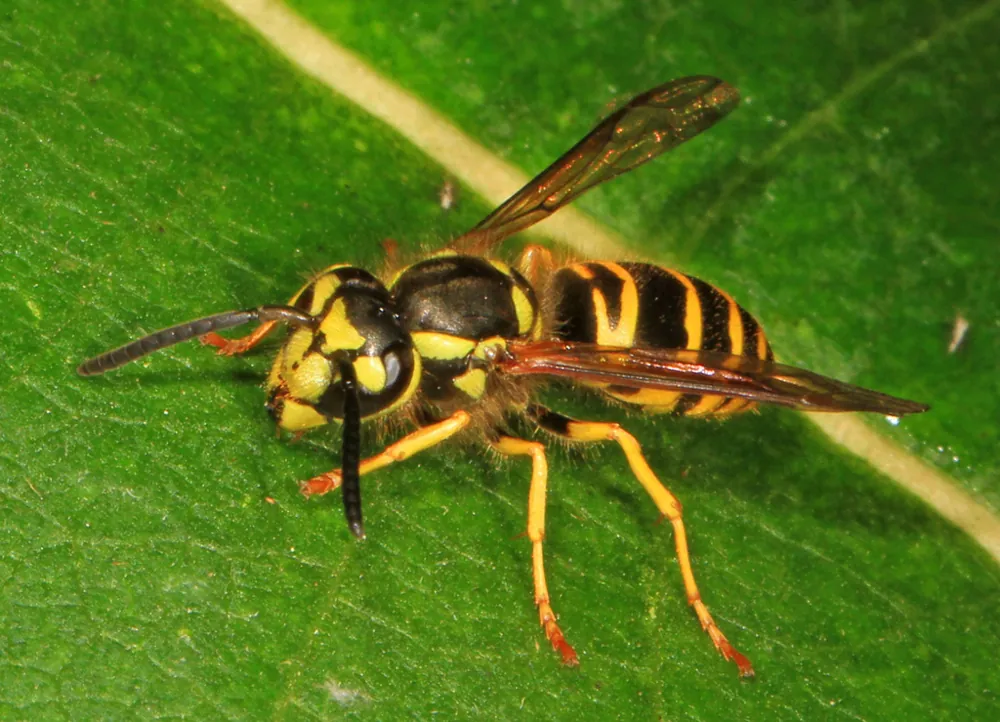
ÌtaniThe eastern yellowjacket is a black and yellow wasp that lives in eastern North America. It builds paper nests, many of them underground, and lives in large family groups called colonies. People often meet it around recreational areas and buildings, and it can give a painful sting if its nest is threatened.1
 Bí o ṣe lè dá a mọ̀
- Black and yellow lines on the head, thorax and abdomen1
- Length of about 12.7 to 15.9 mm1
- Spots on the head, which give the species its scientific name1
- Queens have one flared black line nearest the thorax, followed by thinner black lines, with two black dots between each line1
A sábà máa ń ṣì í mọ̀ sí: It can be told apart from other wasp species by its smaller size and its abdominal pattern. Other yellowjacket species are also black and yellow, and in most areas where it lives, this is the most common yellowjacket species.1
Agbára oró
Oró ń jáde láti inú ohun ìtani.
Kí ni oró rẹ̀ máa ń ṣe?
Its sting is painful. Wasps, bees, ants and sawflies (the order Hymenoptera) are the leading cause of anaphylaxis in humans, a severe allergic reaction. These reactions are usually triggered by proteins in the venom. Peptides called vespulakinins were first found in this species and are insecticidal, meaning they kill insects.1
Báwo ló ṣe léwu tó fún ènìyàn?
Ewu fún ènìyàn: Ó ń dunniÓ lè dunni gan-an, ṣùgbọ́n kì í fẹ́rẹ̀ẹ́ le rárá.It is known to inflict painful stings and defends its nest aggressively. Its nests are often treated as a pest because they are found so often in recreational and residential areas.1
Kí ni ó máa ń ṣe nígbà tí ẹ̀rù bá bà á?
When threatened, workers release an alarm pheromone that calls others to attack. Wasps near the nest entrance circle in a zigzag pattern and fly straight at the target.1
 Bí ó bá ta ni
- Ha ẹ̀gún ìtani oyin jáde kí o sì tu ibẹ̀ lára.
- Bí ẹni náà bá ń mí pẹ̀lú ìṣòro, tí ojú tàbí ọ̀fun rẹ̀ wú, tàbí tí ó ń fẹ́ dákú, pàjáwìrì àléjì ni: pe nọ́ńbà pàjáwìrì rẹ kí o sì lo kálámù abẹ́rẹ́ adrenaline rẹ̀ (auto-injector) bí ó bá ní ọ̀kan.
Máa kọ́kọ́ pe nọ́ńbà pàjáwìrì rẹ nígbà gbogbo (112, 000, 911). Èyí jẹ́ ìtọ́sọ́nà ìtọ́jú àkọ́kọ́ gbogbogbò, kì í ṣe ìmọ̀ràn ìṣègùn. Ìpìlẹ̀ ìtọ́jú àkọ́kọ́
 Wà láìléwu
- Má ṣe fọwọ́ kan, mú tàbí yọ ẹranko igbó lẹ́nu láéláé, kódà bí ó bá kéré, kódà bí ó bá dà bí ẹni pé ó ń sùn tàbí ó ti kú.
- Fún un ní àyè. Bí o bá pàdé ọ̀kan, farabalẹ̀, sẹ́yìn díẹ̀díẹ̀ kí o sì jẹ́ kí ó máa bá ọ̀nà rẹ̀ lọ.
- Bí ọ̀kan bá ta ọ́: farabalẹ̀, má ṣe mira, pe nọ́ńbà pàjáwìrì rẹ (112, 000, 911) tàbí lọ sí ilé ìwòsàn kíákíá. Rántí bí ó ṣe rí, fọ́tò máa ń ṣèrànwọ́.
Kò wá ọ kiri láti ṣe ọ́ léṣe. Ó ń lo oró rẹ̀ láti mú oúnjẹ tàbí láti dáàbò bo ara rẹ̀, ó sì fẹ́ràn láti farapamọ́ jù. Sí i nípa wíwà láìléwu
Báwo ló ṣe tóbi tó?
Báwo ló ṣe gùn tó?
Báwo ló ṣe wúwo tó?
 ó kúrú ju ọmọdínrín ìka rẹ lọ
 ó fúyẹ́ débi pé o kò ní mọ̀ ọ́n lára lọ́wọ́ rẹ
 lè fò kọjá gbogbo pápá bọ́ọ̀lù ní ìṣẹ́jú-àáyá 16
Báwo ni Eastern yellowjacket ṣe tóbi tó tí a bá fi wé ÌWỌ?
Ìṣirò nìkan nínú bráwúsà rẹ. A kò fi ohunkóhun pamọ́, a kò sì fi ránṣẹ́ sí ibikíbi.
Báwo ló ṣe yára tó?


Òtítọ́
A large nest can have 10,000 to 15,000 cells, and about a third of them are queen cells.1
The nest envelope is made from chewed, decaying wood mixed with saliva, which makes it fragile.1
The species is a host for a social parasite, Vespula squamosa, which can take over its nests.1
Males gather in groups around prominent trees and bushes, where they patrol and wait for queens.1
Queens can mate with several males, and both queens and males can mate more than once.1
Fún àwọn amòye oró
- Orúkọ sáyẹ́ǹsì
- Vespula maculifrons
- Ẹgbẹ́
- Oyin, agbọ́n àti agbọ́n ńlá
- Ìdílé
- Vespidae2
- Ètò
- Hymenoptera
- Àwọn kọ́ńtínẹ́ńtì
- Àríwá Amẹ́ríkà
- Àwọn ọmọ
- A queen founds a new colony in spring by laying eggs in the first cells. The eggs hatch into workers, which then build and enlarge the nest.1
- Ewu fún ènìyàn
- 2 / 5: Ó ń dunni3
Ibi tí àwọn òtítọ́ ti wá
- Eastern yellowjacket (Wikipedia (CC BY-SA 4.0))
- Vespula maculifrons (iNaturalist): orúkọ àti ìpínsísọ̀rí.
- Venom Wiki: ìpele ewu, ìtóbi déédé àti àfojúbù ìyára jẹ́ tiwa. Wo bí a ṣe ń ṣírò wọn: Bí a ṣe ń díwọ̀n ewu.
Gbogbo òtítọ́ ojú-ìwé yìí ní nọ́ńbà tó tọ́ka sí orísun rẹ̀. Bí a bá ṣe àṣìṣe, má bínú, olólùfẹ́ ẹranko ni wá, kì í ṣe ìwé ìròyìn sáyẹ́ǹsì. Sọ fún wa ní [email protected] a ó sì tún un ṣe.
 Ebi ń pa àkekèé! Iṣẹ́ akanṣe ẹnì kan ṣoṣo ni Venom Wiki: ọ̀fẹ́ ni, kò sí ìpolówó, kò sì sí olùtọpinpin. Ẹ̀bùn kékeré ń ràn án lọ́wọ́ láti wà lórí íńtánẹ́ẹ̀tì.Bọ́ àkekèé
Sí i láti inú ẹgbẹ́ kan náà: Oyin, agbọ́n àti agbọ́n ńlá
 Tarantula hawkOyin, agbọ́n àti agbọ́n ńláÓ kàn ń dunni
 Executioner waspOyin, agbọ́n àti agbọ́n ńláÓ nílò dókítà
 Warrior waspOyin, agbọ́n àti agbọ́n ńláÓ nílò dókítà
 Bald-faced hornetOyin, agbọ́n àti agbọ́n ńláÓ kàn ń dunni
 Cow killer velvet antOyin, agbọ́n àti agbọ́n ńláÓ kàn ń dunni
 Eastern cicada killerOyin, agbọ́n àti agbọ́n ńláAláìléwu
 Terciopelo
 Eastern coral snake
 Eastern diamondback rattlesnake
 Eyelash viper
 Timber rattlesnake
 Western diamondback rattlesnake