
 Áfíríkà
 Éṣíà
Éṣíà Yúróòpù
 Gúúsù Amẹ́ríkà
 Ọsirélíà àti Òṣéáníà
 Antáktíkà
 Òkun Pàsífíìkì
 Òkun Àtìláńtíìkì
 Òkun Íńdíà
 Òkun Áktíkì
 Òkun Mẹditaréníà
 Òkun Pupa
 Òkun Káríbíànù
 Òkun Coral
 Òkun Gúúsù Ṣáínà
 Òkun Fílípínì
 Òkun Andaman
 Òkun Àríwá
 Òkun Tímọ̀ àti Òkun Àráfúrà
 Ìyawọlẹ̀ Òkun Bẹ̀ngál
 Ìyawọlẹ̀ Òkun Kalifọ́níà
Io moth
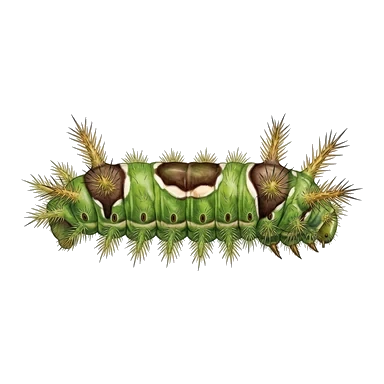 Irun tó ń ta ni
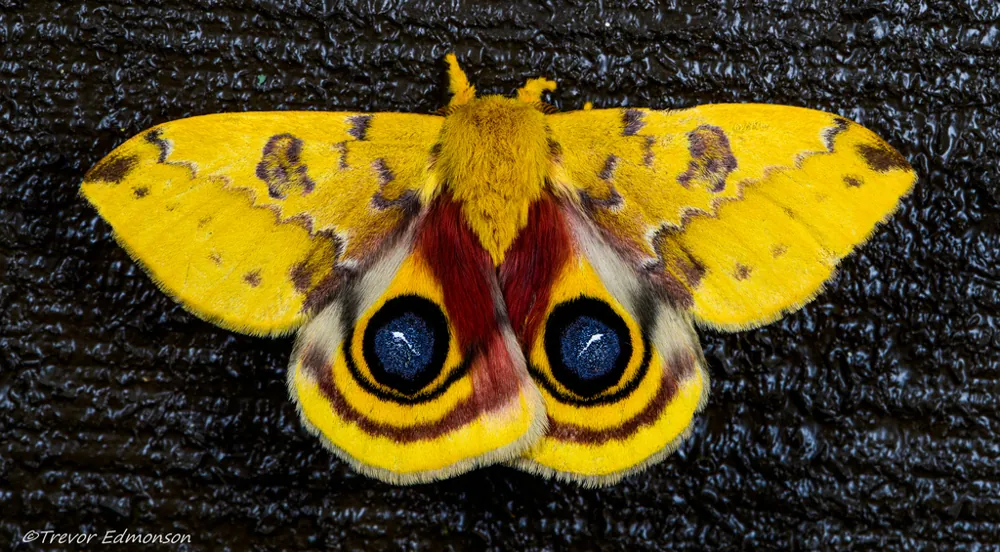
The Io moth is a colourful moth from North America. Its adults are striking, with large eyespots on their wings. Its green caterpillars carry spines that release a very painful venom, so they should be left alone.1
 Bí o ṣe lè dá a mọ̀
- Males have bright yellow forewings, body and legs, and much bigger feathery antennae than females.1
- Females have reddish-brown to purple forewings, body and legs.1
- Both sexes have one large black to bluish eyespot with some white in the centre on each hindwing.1
- Mature caterpillars are bright green and covered in spines, with two lateral stripes: the upper one bright red and the lower one white.1
- Adults have a wingspan of 6.3 to 8.8 cm.1
Agbára oró
Irun kékeré tàbí irun líle máa ń kán sínú awọ ara, wọ́n sì ń ta ni.
Kí ni oró rẹ̀ máa ń ṣe?
The spines of the green caterpillars release a very painful venom at the slightest touch. Contact is not life-threatening to humans, but it irritates the skin and causes an acute skin inflammation called erucism.1
Báwo ló ṣe léwu tó fún ènìyàn?
Ewu fún ènìyàn: Ó ń dunniÓ lè dunni gan-an, ṣùgbọ́n kì í fẹ́rẹ̀ẹ́ le rárá.Contact with the spines is not life-threatening to humans, but it causes painful skin irritation.1
Kí ni ó máa ń ṣe nígbà tí ẹ̀rù bá bà á?
When sitting head-down or when touched, adults shake and expose their hindwing eyespots. Caterpillars defend themselves with stinging spines.1
 Bí o bá fọwọ́ kan irun rẹ̀
- Fún irun ìdin labalábá tó ń ta ni: fi téèpù aláléẹ̀mọ́ gbé wọn kúrò, lẹ́yìn náà fọ awọ ara. Má ṣe fọwọ́ pa á.
- Fún ìbùjẹ: fọ̀ ọ́, kí o sì tù ú. Wá ìrànlọ́wọ́ ìṣègùn bí ara ẹni náà kò bá yá tàbí tí ẹ̀jẹ̀ bá ń tètè ṣàn lára rẹ̀.
Máa kọ́kọ́ pe nọ́ńbà pàjáwìrì rẹ nígbà gbogbo (112, 000, 911). Èyí jẹ́ ìtọ́sọ́nà ìtọ́jú àkọ́kọ́ gbogbogbò, kì í ṣe ìmọ̀ràn ìṣègùn. Ìpìlẹ̀ ìtọ́jú àkọ́kọ́
 Wà láìléwu
- Má ṣe fọwọ́ kan, mú tàbí yọ ẹranko igbó lẹ́nu láéláé, kódà bí ó bá kéré, kódà bí ó bá dà bí ẹni pé ó ń sùn tàbí ó ti kú.
- Fún un ní àyè. Bí o bá pàdé ọ̀kan, farabalẹ̀, sẹ́yìn díẹ̀díẹ̀ kí o sì jẹ́ kí ó máa bá ọ̀nà rẹ̀ lọ.
- Bí o bá fọwọ́ kan irun rẹ̀: farabalẹ̀, má ṣe mira, pe nọ́ńbà pàjáwìrì rẹ (112, 000, 911) tàbí lọ sí ilé ìwòsàn kíákíá. Rántí bí ó ṣe rí, fọ́tò máa ń ṣèrànwọ́.
Kò wá ọ kiri láti ṣe ọ́ léṣe. Ó ń lo oró rẹ̀ láti mú oúnjẹ tàbí láti dáàbò bo ara rẹ̀, ó sì fẹ́ràn láti farapamọ́ jù. Sí i nípa wíwà láìléwu
Báwo ló ṣe tóbi tó?
Báwo ló ṣe gùn tó?
 ó gùn tó bíríkì ìṣeré 3 tí a tò sí ìlà kan
 ó lọ́ra ju ìgbín inú ọgbà lọ
Báwo ni Io moth ṣe tóbi tó tí a bá fi wé ÌWỌ?
Ìṣirò nìkan nínú bráwúsà rẹ. A kò fi ohunkóhun pamọ́, a kò sì fi ránṣẹ́ sí ibikíbi.
Báwo ló ṣe yára tó?

Òtítọ́
The caterpillars' spines are urticating, meaning they can cause a stinging reaction on contact.1
Adults live only 1 to 2 weeks and do not eat during this stage.1
After emerging from the cocoon, adults inflate their furled wings with fluid pumped from the body, which takes about twenty minutes.1
Females attract males by releasing wind-borne scent chemicals (pheromones) from a gland at the end of the abdomen.1
Many flies and wasps are parasitoids of this moth, laying their eggs in or on it.1
Fún àwọn amòye oró
- Orúkọ sáyẹ́ǹsì
- Automeris io
- Ẹgbẹ́
- Ìdin labalábá àti kòkòrò
- Ìdílé
- Saturniidae2
- Ètò
- Lepidoptera
- Àwọn kọ́ńtínẹ́ńtì
- Àríwá Amẹ́ríkà
- Àwọn ọmọ
- Females lay clusters of more than twenty small white eggs on leaves. The eggs hatch within 8 to 11 days.1
- Bí ó ṣe ń ṣe nínú igbó
- Not evaluated by the IUCN Red List and has no special status on the US Federal List. Populations in the eastern US are declining and becoming more localised.1
- Ewu fún ènìyàn
- 2 / 5: Ó ń dunni3
Ibi tí àwọn òtítọ́ ti wá
- Automeris io (Wikipedia (CC BY-SA 4.0))
- Automeris io (iNaturalist): orúkọ àti ìpínsísọ̀rí.
- Venom Wiki: ìpele ewu, ìtóbi déédé àti àfojúbù ìyára jẹ́ tiwa. Wo bí a ṣe ń ṣírò wọn: Bí a ṣe ń díwọ̀n ewu.
Gbogbo òtítọ́ ojú-ìwé yìí ní nọ́ńbà tó tọ́ka sí orísun rẹ̀. Bí a bá ṣe àṣìṣe, má bínú, olólùfẹ́ ẹranko ni wá, kì í ṣe ìwé ìròyìn sáyẹ́ǹsì. Sọ fún wa ní [email protected] a ó sì tún un ṣe.
 Ebi ń pa àkekèé! Iṣẹ́ akanṣe ẹnì kan ṣoṣo ni Venom Wiki: ọ̀fẹ́ ni, kò sí ìpolówó, kò sì sí olùtọpinpin. Ẹ̀bùn kékeré ń ràn án lọ́wọ́ láti wà lórí íńtánẹ́ẹ̀tì.Bọ́ àkekèé
Sí i láti inú ẹgbẹ́ kan náà: Ìdin labalábá àti kòkòrò
 Giant water bugÌdin labalábá àti kòkòròÓ kàn ń dunni
 Puss caterpillarÌdin labalábá àti kòkòròÓ kàn ń dunniMá ṣe fọwọ́ kàn án
 Saddleback caterpillarÌdin labalábá àti kòkòròÓ kàn ń dunniMá ṣe fọwọ́ kàn án
 Wheel bugÌdin labalábá àti kòkòròÓ kàn ń dunni
 Giant vinegaroonÌdin labalábá àti kòkòròAláìléwu
 Rhodnius kissing bugÌdin labalábá àti kòkòròÓ nílò dókítà
 Terciopelo
 Eastern coral snake
 Eastern diamondback rattlesnake
 Eyelash viper
 Timber rattlesnake
 Western diamondback rattlesnake