
 Áfíríkà
 Éṣíà
Éṣíà Yúróòpù
 Gúúsù Amẹ́ríkà
 Ọsirélíà àti Òṣéáníà
 Antáktíkà
 Òkun Pàsífíìkì
 Òkun Àtìláńtíìkì
 Òkun Íńdíà
 Òkun Áktíkì
 Òkun Mẹditaréníà
 Òkun Pupa
 Òkun Káríbíànù
 Òkun Coral
 Òkun Gúúsù Ṣáínà
 Òkun Fílípínì
 Òkun Andaman
 Òkun Àríwá
 Òkun Tímọ̀ àti Òkun Àráfúrà
 Ìyawọlẹ̀ Òkun Bẹ̀ngál
 Ìyawọlẹ̀ Òkun Kalifọ́níà
Night anemone
 Okùn-ọwọ́ tó ń ta ni (tentacles)
The night anemone is a sea anemone, a soft animal related to jellyfish that attaches itself to the seabed. It lives in shallow seas in the central Indo-West Pacific, including Indonesia, the Philippines and southern Japan. It is venomous, and its sting can cause a painful injury that lasts a long time.1

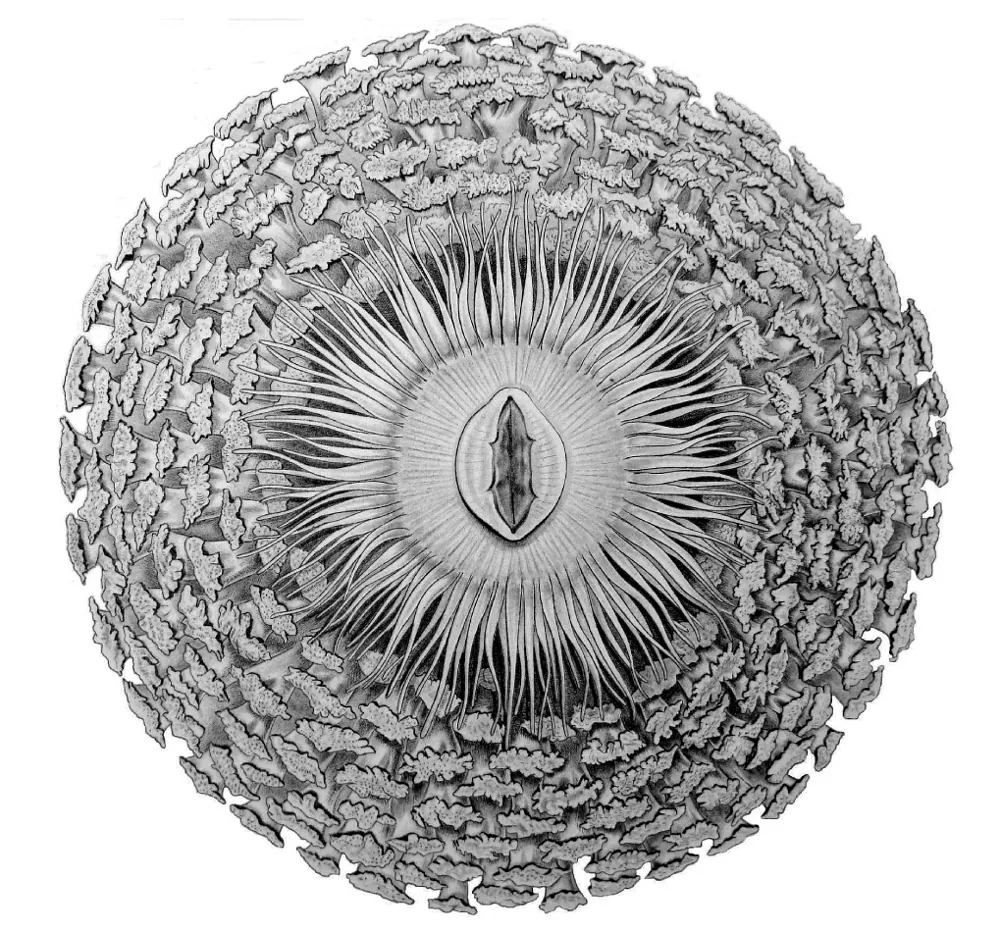
 Bí o ṣe lè dá a mọ̀
- Has a broad base that attaches it to the seabed.1
- Has branching, stalked outgrowths called pseudo-tentacles, which vary a lot between individuals.1
- Some individuals look like smooth discs, branching coral, or dead coral rock covered in algae.1
- The mouth ring has up to 160 long tentacles, seen when it is feeding at night.1
A sábà máa ń ṣì í mọ̀ sí: It is often mistaken for corals, algae or dead coral rock, because it copies their shape and colour. During the day it pulls its mouth and tentacles inside, so it may not look like a sea anemone at all.1
Agbára oró
Ẹgbẹẹgbẹ̀rún sẹ́ẹ̀lì ìtani kékeré máa ń ta jáde nígbà tí nǹkan bá fọwọ́ kàn wọ́n.
Kí ni oró rẹ̀ máa ń ṣe?
Its venom contains several haemolytic toxins, which break down red blood cells. Human contact can cause severe dermatitis, with swelling and ulceration of the affected skin that may last for months. On rare occasions it causes acute kidney damage, and it is the first sea anemone whose venom has been shown to do this. The venom does not appear to affect other major organs.1
Báwo ló ṣe léwu tó fún ènìyàn?
Ewu fún ènìyàn: Ó léwu gan-anÓ lè pa ènìyàn tí kò bá rí ìtọ́jú.Its sting is painful and long-lasting. On rare occasions it can cause acute kidney damage.1
Kí ni ó máa ń ṣe nígbà tí ẹ̀rù bá bà á?
It uses camouflage, mimicry and masquerade to blend into its surroundings, which helps it deceive prey and confuse predators.1
 Bí ó bá ta ni
- Jáde kúrò nínú omi kí o sì yọ gbogbo okùn-ọwọ́ rẹ̀ (tentacles) kúrò (pẹ̀lú ìbọ̀wọ́ tàbí aṣọ).
- Fún box jellyfish ilẹ̀ olóoru: da ọtí kíkan (vinegar) sí ibi tí ó ti ta ni fún ó kéré tán ìṣẹ́jú-àáyá 30, pe fún ìrànlọ́wọ́ kí o sì múra láti ṣe CPR (ìmúsọjí ọkàn àti èémí). Fún bluebottles àti ọ̀pọ̀ àwọn yòókù: fi omi òkun fọ̀ ọ́, lẹ́yìn náà omi gbígbóná fún ìrora náà.
Máa kọ́kọ́ pe nọ́ńbà pàjáwìrì rẹ nígbà gbogbo (112, 000, 911). Èyí jẹ́ ìtọ́sọ́nà ìtọ́jú àkọ́kọ́ gbogbogbò, kì í ṣe ìmọ̀ràn ìṣègùn. Ìpìlẹ̀ ìtọ́jú àkọ́kọ́
 Wà láìléwu
- Má ṣe fọwọ́ kan, mú tàbí yọ ẹranko igbó lẹ́nu láéláé, kódà bí ó bá kéré, kódà bí ó bá dà bí ẹni pé ó ń sùn tàbí ó ti kú.
- Fún un ní àyè. Bí o bá pàdé ọ̀kan, farabalẹ̀, sẹ́yìn díẹ̀díẹ̀ kí o sì jẹ́ kí ó máa bá ọ̀nà rẹ̀ lọ.
- Bí ọ̀kan bá ta ọ́: farabalẹ̀, má ṣe mira, pe nọ́ńbà pàjáwìrì rẹ (112, 000, 911) tàbí lọ sí ilé ìwòsàn kíákíá. Rántí bí ó ṣe rí, fọ́tò máa ń ṣèrànwọ́.
Kò wá ọ kiri láti ṣe ọ́ léṣe. Ó ń lo oró rẹ̀ láti mú oúnjẹ tàbí láti dáàbò bo ara rẹ̀, ó sì fẹ́ràn láti farapamọ́ jù. Sí i nípa wíwà láìléwu
Níbo ní ayé?
Báwo ló ṣe tóbi tó?
Báwo ló ṣe gùn tó?
 ó gùn tó bíríkì ìṣeré 5 tí a tò sí ìlà kan
 ó lọ́ra ju ìgbín inú ọgbà lọ
Báwo ni Night anemone ṣe tóbi tó tí a bá fi wé ÌWỌ?
Ìṣirò nìkan nínú bráwúsà rẹ. A kò fi ohunkóhun pamọ́, a kò sì fi ránṣẹ́ sí ibikíbi.
Báwo ló ṣe yára tó?


Òtítọ́
It was the first sea anemone found to have venom that damages the kidneys and can cause acute renal failure.1
Its venom kills shrimp and breaks down sheep red blood cells in laboratory tests.1
Its pseudo-tentacles contain symbiotic dinoflagellates, tiny organisms that photosynthesise, so it gets some energy from light.1
It hides its tentacles and mouth during the day, when it spreads out its pseudo-tentacles to catch sunlight.1
Fún àwọn amòye oró
- Orúkọ sáyẹ́ǹsì
- Phyllodiscus semoni
- Ẹgbẹ́
- Jellyfish àti àwọn ẹ̀dá òkun tó ń ta ni
- Ìdílé
- Aliciidae2
- Ètò
- Actiniaria
- Àwọn kọ́ńtínẹ́ńtì
- Òkun Íńdíà, Òkun Pàsífíìkì, Òkun Pupa, Òkun Tímọ̀ àti Òkun Àráfúrà, Àwọn òkun ńlá
- Àwọn ọmọ
- Colonies are likely clones formed by asexual reproduction, possibly by fragmentation when the anemone moves across the seabed.1
- Ewu fún ènìyàn
- 4 / 5: Ó léwu gan-an3
Ibi tí àwọn òtítọ́ ti wá
- Phyllodiscus (Wikipedia (CC BY-SA 4.0))
- Phyllodiscus semoni (iNaturalist): orúkọ àti ìpínsísọ̀rí.
- Venom Wiki: ìpele ewu, ìtóbi déédé àti àfojúbù ìyára jẹ́ tiwa. Wo bí a ṣe ń ṣírò wọn: Bí a ṣe ń díwọ̀n ewu.
Gbogbo òtítọ́ ojú-ìwé yìí ní nọ́ńbà tó tọ́ka sí orísun rẹ̀. Bí a bá ṣe àṣìṣe, má bínú, olólùfẹ́ ẹranko ni wá, kì í ṣe ìwé ìròyìn sáyẹ́ǹsì. Sọ fún wa ní [email protected] a ó sì tún un ṣe.
 Ebi ń pa àkekèé! Iṣẹ́ akanṣe ẹnì kan ṣoṣo ni Venom Wiki: ọ̀fẹ́ ni, kò sí ìpolówó, kò sì sí olùtọpinpin. Ẹ̀bùn kékeré ń ràn án lọ́wọ́ láti wà lórí íńtánẹ́ẹ̀tì.Bọ́ àkekèé
Sí i láti inú ẹgbẹ́ kan náà: Jellyfish àti àwọn ẹ̀dá òkun tó ń ta ni
 Australian box jellyfishJellyfish àti àwọn ẹ̀dá òkun tó ń ta niApaniMá ṣe fọwọ́ kàn án
 Irukandji jellyfishJellyfish àti àwọn ẹ̀dá òkun tó ń ta niÓ lè paniMá ṣe fọwọ́ kàn án
 Portuguese man o' warJellyfish àti àwọn ẹ̀dá òkun tó ń ta niÓ nílò dókítàMá ṣe fọwọ́ kàn án
 Lion's mane jellyfishJellyfish àti àwọn ẹ̀dá òkun tó ń ta niÓ kàn ń dunniMá ṣe fọwọ́ kàn án
 Moon jellyfishJellyfish àti àwọn ẹ̀dá òkun tó ń ta niAláìléwu
 Common kingslayerJellyfish àti àwọn ẹ̀dá òkun tó ń ta niÓ lè paniMá ṣe fọwọ́ kàn án
Ó tún ń gbé ní: Òkun Íńdíà
 Geography coneÌgbín cone àti octopusApani
 Greater blue-ringed octopusÌgbín cone àti octopusApani
 Southern blue-ringed octopusÌgbín cone àti octopusApani
 Hawksbill sea turtleÀwọn ẹranko onímájèlé mìírànÓ lè pani
 Reef stonefishẸja olóróÓ lè paniMá ṣe fọwọ́ kàn án
 Crown-of-thorns starfishSea urchin, ẹja ìràwọ̀ àti kòkòrò inú òkunÓ nílò dókítàMá ṣe fọwọ́ kàn án