
 Áfíríkà
 Éṣíà
Éṣíà Yúróòpù
 Gúúsù Amẹ́ríkà
 Ọsirélíà àti Òṣéáníà
 Antáktíkà
 Òkun Pàsífíìkì
 Òkun Àtìláńtíìkì
 Òkun Íńdíà
 Òkun Áktíkì
 Òkun Mẹditaréníà
 Òkun Pupa
 Òkun Káríbíànù
 Òkun Coral
 Òkun Gúúsù Ṣáínà
 Òkun Fílípínì
 Òkun Andaman
 Òkun Àríwá
 Òkun Tímọ̀ àti Òkun Àráfúrà
 Ìyawọlẹ̀ Òkun Bẹ̀ngál
 Ìyawọlẹ̀ Òkun Kalifọ́níà
White-winged vampire bat
 Ìbùjẹ
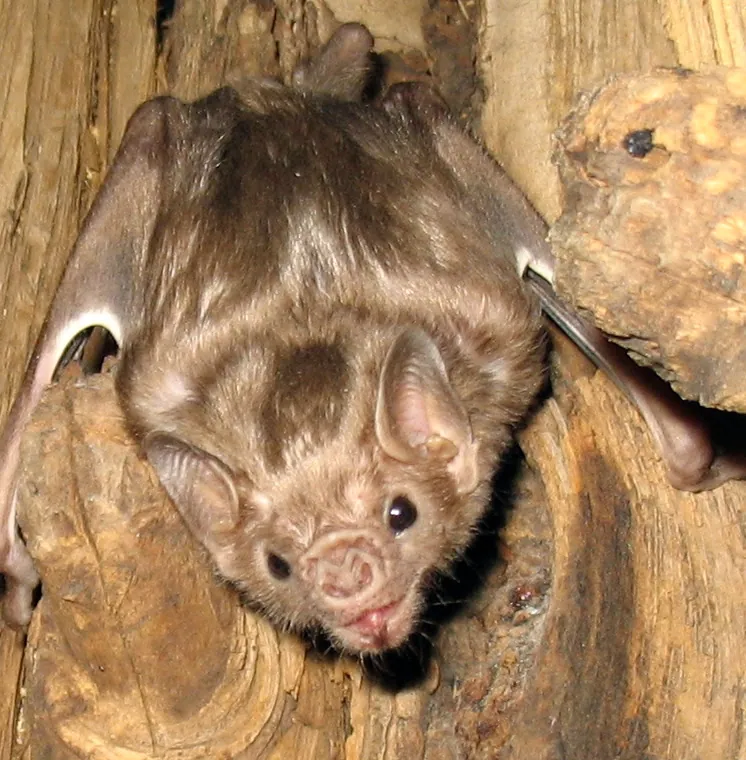
ÌbùjẹThe white-winged vampire bat is a small bat that feeds on blood. It lives from Mexico to northern Argentina, and also on the islands of Trinidad and Margarita Island. Its pale wing edges make it easy to tell apart from some of its relatives.1


 Bí o ṣe lè dá a mọ̀
- Fur is clay-coloured, light brown or dark cinnamon brown.1
- The outline of the wings is white, as is the membrane between the second and third fingers.1
- Ears are 18 mm long, longer than they are wide.1
- Nose to tail length is about 84 mm, and it weighs 31.7–48.1 g.1
- Its forearms are 51–54 mm long.1
A sábà máa ń ṣì í mọ̀ sí: It is often confused with the common vampire bat. The white-winged vampire bat has a smooth outer edge on its tragus (the small flap in front of the ear), while the common vampire bat's is serrated. Its thumb is also much shorter, and it has 22 teeth, compared with 20 in the common vampire bat.1
Agbára oró
Oró ń jáde láti inú eyín oró tàbí eyín rẹ̀ nígbà tí ó bá bùjẹ.
Kí ni oró rẹ̀ máa ń ṣe?
Its saliva contains plasminogen activators, which quickly dissolve the clots that form in the host's blood while it feeds. It also contains platelet aggregation inhibitors and other anticoagulants, which stop blood from clotting. These compounds work especially well on birds.1
Báwo ló ṣe léwu tó fún ènìyàn?
Ewu fún ènìyàn: Fúyẹ́Bí ìtani oyin tàbí kò tó bẹ́ẹ̀. Kò fẹ́rẹ̀ẹ́ léwu fún ènìyàn.It can transmit rabies, but this appears to be relatively uncommon. The only reports of rabies transmission from this species come from Trinidad.1
Kí ni ó máa ń ṣe nígbà tí ẹ̀rù bá bà á?
When disturbed, it produces a foul-smelling odour from cup-shaped scent glands in its mouth, which may help deter predators.1
 Bí ó bá bùjẹ
- Fọ ọgbẹ́ náà dáadáa kí o sì wá ìrànlọ́wọ́ ìṣègùn.
Máa kọ́kọ́ pe nọ́ńbà pàjáwìrì rẹ nígbà gbogbo (112, 000, 911). Èyí jẹ́ ìtọ́sọ́nà ìtọ́jú àkọ́kọ́ gbogbogbò, kì í ṣe ìmọ̀ràn ìṣègùn. Ìpìlẹ̀ ìtọ́jú àkọ́kọ́
 Wà láìléwu
- Má ṣe fọwọ́ kan, mú tàbí yọ ẹranko igbó lẹ́nu láéláé, kódà bí ó bá kéré, kódà bí ó bá dà bí ẹni pé ó ń sùn tàbí ó ti kú.
- Fún un ní àyè. Bí o bá pàdé ọ̀kan, farabalẹ̀, sẹ́yìn díẹ̀díẹ̀ kí o sì jẹ́ kí ó máa bá ọ̀nà rẹ̀ lọ.
- Bí ọ̀kan bá bù ọ́ jẹ: farabalẹ̀, má ṣe mira, pe nọ́ńbà pàjáwìrì rẹ (112, 000, 911) tàbí lọ sí ilé ìwòsàn kíákíá. Rántí bí ó ṣe rí, fọ́tò máa ń ṣèrànwọ́.
Kò wá ọ kiri láti ṣe ọ́ léṣe. Ó ń lo oró rẹ̀ láti mú oúnjẹ tàbí láti dáàbò bo ara rẹ̀, ó sì fẹ́ràn láti farapamọ́ jù. Sí i nípa wíwà láìléwu
Báwo ló ṣe tóbi tó?
Báwo ló ṣe gùn tó?
Báwo ló ṣe wúwo tó?

 ó gùn tó bíríkì ìṣeré 2.5 tí a tò sí ìlà kan
 lè fò kọjá gbogbo pápá bọ́ọ̀lù ní ìṣẹ́jú-àáyá 19
Báwo ni White-winged vampire bat ṣe tóbi tó tí a bá fi wé ÌWỌ?
Ìṣirò nìkan nínú bráwúsà rẹ. A kò fi ohunkóhun pamọ́, a kò sì fi ránṣẹ́ sí ibikíbi.
Báwo ló ṣe yára tó?


Òtítọ́
In captivity, each bat drinks about 16 ml of defibrinated cow or chicken blood per day, and they should be kept in social colonies with dominance hierarchies.1
It is the only bat species in the world with 22 teeth, although older individuals sometimes lose the last upper molars.1
Its brain is large for its body size, which may be because its hunting needs careful planning and stealth.1
It is not as good as the common vampire bat at walking on all fours, but it is quite good at climbing branches.1
It roosts with many other bat species, including the common vampire bat.1
Ibi tí àwọn òtítọ́ ti wá
- White-winged vampire bat (Wikipedia (CC BY-SA 4.0))
- Venom Wiki: ìpele ewu, ìtóbi déédé àti àfojúbù ìyára jẹ́ tiwa. Wo bí a ṣe ń ṣírò wọn: Bí a ṣe ń díwọ̀n ewu.
Gbogbo òtítọ́ ojú-ìwé yìí ní nọ́ńbà tó tọ́ka sí orísun rẹ̀. Bí a bá ṣe àṣìṣe, má bínú, olólùfẹ́ ẹranko ni wá, kì í ṣe ìwé ìròyìn sáyẹ́ǹsì. Sọ fún wa ní [email protected] a ó sì tún un ṣe.
 Ebi ń pa àkekèé! Iṣẹ́ akanṣe ẹnì kan ṣoṣo ni Venom Wiki: ọ̀fẹ́ ni, kò sí ìpolówó, kò sì sí olùtọpinpin. Ẹ̀bùn kékeré ń ràn án lọ́wọ́ láti wà lórí íńtánẹ́ẹ̀tì.Bọ́ àkekèé
Sí i láti inú ẹgbẹ́ kan náà: Ẹranko afọmúbọ́mọ olóró
 Common vampire batẸranko afọmúbọ́mọ olóróÓ kàn ń dunni
 Cuban solenodonẸranko afọmúbọ́mọ olóróÓ kàn ń dunni
 Hispaniolan solenodonẸranko afọmúbọ́mọ olóróÓ kàn ń dunni
 Northern short-tailed shrewẸranko afọmúbọ́mọ olóróAláìléwu
 Hairy-legged vampire batẸranko afọmúbọ́mọ olóróAláìléwu
 PlatypusẸranko afọmúbọ́mọ olóróÓ kàn ń dunni
 Terciopelo
 Eastern coral snake
 Eastern diamondback rattlesnake
 Eyelash viper
 Timber rattlesnake
 Western diamondback rattlesnake