
 I-Afrika
 I-Asia
 I-Yurophu
 INingizimu Melika
 I-Australia ne-Oceania
 I-Antarctica
 ULwandlekazi iPacific
 ULwandlekazi i-Atlantic
 ULwandlekazi i-India
 ULwandlekazi i-Arctic
 Ulwandle iMediterranean
 Ulwandle Olubomvu
 Ulwandle iCaribbean
 Ulwandle iCoral
 Ulwandle lwaseNingizimu China
 Ulwandle lwasePhilippines
 Ulwandle i-Andaman
 Ulwandle i-North Sea
 Ulwandle lwaseTimor ne-Arafura
 Ichweba laseBengal
 Ichweba laseCalifornia
Cane toad
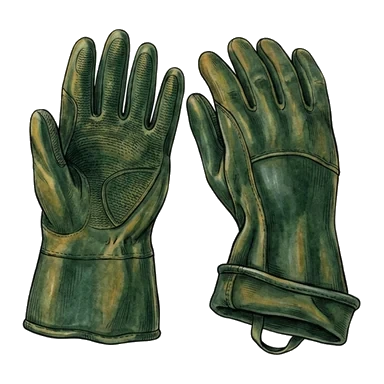 Ushevu esikhumbeni sasoSidla: Kancane kwakho konkeSinoshevu, asinabo ubuthi bokuluma noma bokuhlaba
The cane toad is a large toad that is very poisonous to many animals. It is native to South and mainland Central America, but people have moved it to islands in Oceania and the Caribbean and to northern Australia. It matters because it spreads quickly and harms native wildlife and pets.1
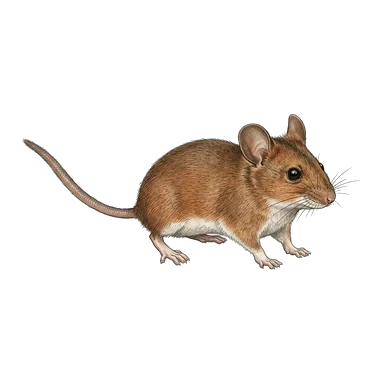
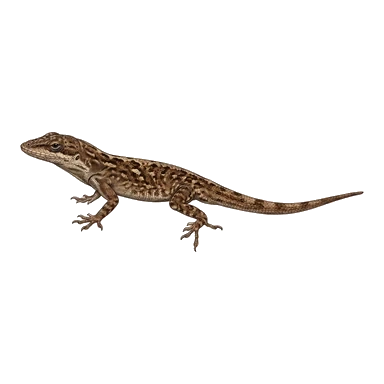
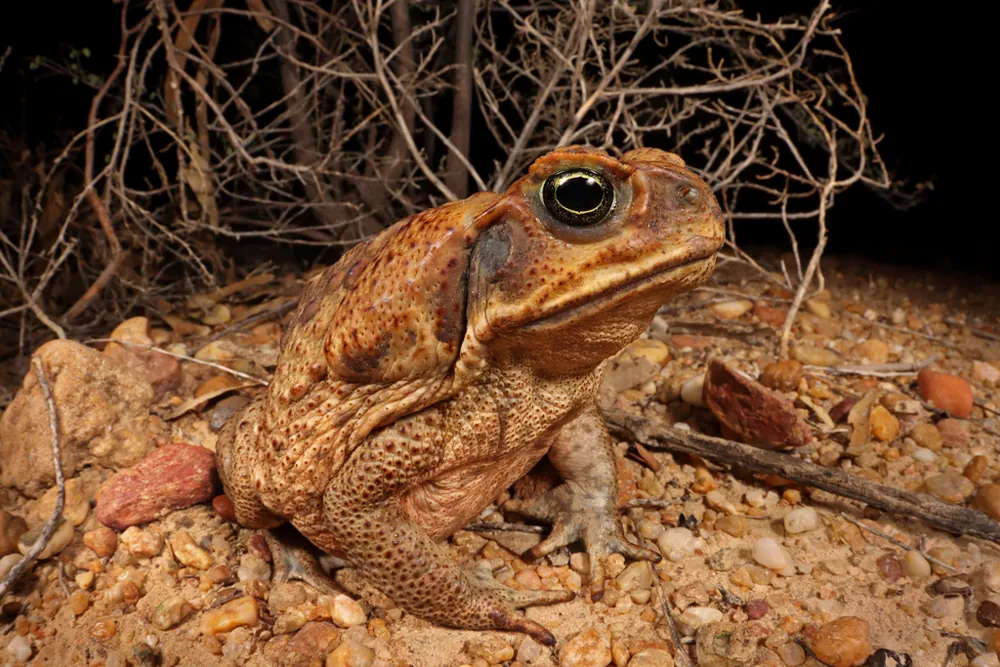
 Indlela yokusibona
- Very large, with adults usually 10 to 15 cm long1
- Dry, warty skin with distinct ridges above the eyes that run down the snout1
- A large parotoid gland (a swollen gland) behind each eye1
- Grey, yellowish, red-brown or olive-brown skin, often with patterns1
- Horizontal pupils and golden irises1
Ivamise ukudidaniswa ne: In Australia, adults can be confused with large native frogs, but these lack the large parotoid glands and the ridge between the nostril and eye. The giant burrowing frog has vertical pupils and silver-grey irises, while the cane toad has horizontal pupils and golden irises. In the United States, the southern toad has two bulbs in front of the parotoid glands.1
Amandla oshevu
Isikhumba saso sinoshevu. Kuyingozi ukusithinta, ukusikhotha noma ukusidla.
Ushevu waso wenzani?
The toad's glands secrete a milky-white fluid called bufotoxin when it is threatened. Components of bufotoxin are toxic to many animals. In dogs, signs of poisoning include excessive drooling, extremely red gums, head-shaking, crying and loss of coordination.1
Siyingozi kangakanani ebantwini?
Ingozi ebantwini: Kubi kakhuluUma umuntu esithinta noma esidla, yana kudokotela. Ukufa kuyivelakancane kakhulu.The toxic skin can kill many wild and domestic animals. Dogs are especially at risk from licking or biting the toad. Human deaths have also been recorded after people ate cane toads.1
Senzani uma sesabile?
When threatened, it releases bufotoxin from its glands.1
 Uma umuntu esithintile noma esidlile
- Uma umuntu esithintile: geza izandla kahle futhi ungathinti amehlo noma umlomo. Uma ingane noma isilwane sasekhaya sisikhothile noma sisidlile: shayela isikhungo soshevu noma inombolo yezimo eziphuthumayo.
Njalo shayela kuqala inombolo yezimo eziphuthumayo (112, 000, 911). Lokhu kuyiseluleko sosizo lokuqala esijwayelekile, akusona iseluleko sezokwelapha. Izisekelo zosizo lokuqala
 Hlala uphephile
- Ungalokothi uthinte, ubambe noma ugcone isilwane sasendle, ngisho noma sincane, futhi ngisho noma sibukeka silele noma sifile.
- Sinike isikhala. Uma uhlangana naso, hlala uzolile, uhlehle kancane bese usiyeka sihambe ngendlela yaso.
- Uma usithintile noma usidlile: ungahlikihli amehlo noma umlomo wakho, geza izandla zakho futhi uthole usizo lwezokwelapha.
Asikuzingeli wena. Ushevu waso ukhona nje ukuze kungabikho okusidlayo. Okwengeziwe mayelana nokuhlala uphephile
Sikhulu kangakanani?
Side kangakanani?
 side njengezitini zamathoyizi ezingu-8 ezilandelanayo
 singahamba amamitha ali-100 ngemizuzwana engu-180 (umuntu oshesha kunabo bonke udinga engu-9,6)
Cane toad mkhulu kangakanani uma uqhathanisa NAWE?
Yizibalo nje kusiphequluli sakho. Akukho okulondolozwayo noma okuthunyelwa ndawo.
Sishesha kangakanani?


Amaqiniso
Young toads lose the toxicity they had as eggs and tadpoles, and they only develop their poison glands later. Only an estimated 0.5% of cane toads reach adulthood.1
In Australia, tadpoles have evolved to be more likely to eat their siblings than tadpoles in South America.1
A female can lay thousands of eggs in one spawn, in strings up to 20 metres long.1
In the wild, cane toads can live 10 to 15 years, and one captive toad was reported to have lived 35 years.1
The cane toad is considered the largest species in the Bufonidae, the toad family.1
Cane toads eat both living and dead matter, which is unusual among frogs and toads.1
Umqothuli wezinganekwane
Inganekwane: The name 'marine toad' suggests that cane toads live in the sea.
Iqiniso: Cane toads do not live in the sea. The name came from a mistaken belief by an early naturalist.1
Okongoti bobuthi
- Igama lesayensi
- Rhinella marina
- Iqembu
- Amaxoxo anoshevu, amaxoxo e-toad nama-newt
- Umndeni
- Bufonidae2
- Ukuhleleka
- Anura
- Amazwekazi
- INyakatho Melika, INingizimu Melika
- Izinsana
- A female lays 8,000 to 25,000 eggs at once, in long jelly strings that can stretch up to 20 metres.1
- Isikhathi sokuphila
- cishe iminyaka engu-151
- Ingozi ebantwini
- 3 / 5: Kubi kakhulu3
Lapho amaqiniso evela khona
- Cane toad (Wikipedia (CC BY-SA 4.0))
- Rhinella marina (iNaturalist): amagama nokuhlelwa ngezigaba.
- Venom Wiki: izinga lengozi, usayizi ojwayelekile nesiqagela sejubane kungokwethu. Bona ukuthi sikubala kanjani: Indlela esilinganisa ngayo ingozi.
Iqiniso ngalinye kuleli khasi linenombolo ekhomba umthombo walo. Uma senze iphutha, uxolo, singabathandi bezilwane, hhayi iphephabhuku lesayensi. Sitshele ku-[email protected] futhi sizolilungisa.
 Ufezela ulambile! I-Venom Wiki iwumsebenzi womuntu oyedwa: imahhala, ayinazo izikhangiso noma izilandeli. Isipho esincane sisiza ukuyigcina ku-inthanethi.Phakela ufezela
Okunye okuvela eqenjini elifanayo: Amaxoxo anoshevu, amaxoxo e-toad nama-newt
 Golden poison frogAmaxoxo anoshevu, amaxoxo e-toad nama-newtKuyabulalaUngathinti
 Dyeing poison dart frogAmaxoxo anoshevu, amaxoxo e-toad nama-newtKubuhlungu njeUngathinti
 Strawberry poison-dart frogAmaxoxo anoshevu, amaxoxo e-toad nama-newtKubuhlungu njeUngathinti
 Black-legged poison frogAmaxoxo anoshevu, amaxoxo e-toad nama-newtKungabulalaUngathinti
 California newtAmaxoxo anoshevu, amaxoxo e-toad nama-newtKungabulalaUngathinti
 Rough-skinned newtAmaxoxo anoshevu, amaxoxo e-toad nama-newtKungabulalaUngathinti
 Terciopelo
 Eastern coral snake
 Eastern diamondback rattlesnake
 Eyelash viper
 Timber rattlesnake
 Western diamondback rattlesnake