
 I-Afrika
 I-Asia
 I-Yurophu
 INingizimu Melika
 I-Australia ne-Oceania
 I-Antarctica
 ULwandlekazi iPacific
 ULwandlekazi i-Atlantic
 ULwandlekazi i-India
 ULwandlekazi i-Arctic
 Ulwandle iMediterranean
 Ulwandle Olubomvu
 Ulwandle iCaribbean
 Ulwandle iCoral
 Ulwandle lwaseNingizimu China
 Ulwandle lwasePhilippines
 Ulwandle i-Andaman
 Ulwandle i-North Sea
 Ulwandle lwaseTimor ne-Arafura
 Ichweba laseBengal
 Ichweba laseCalifornia
Sidewinder
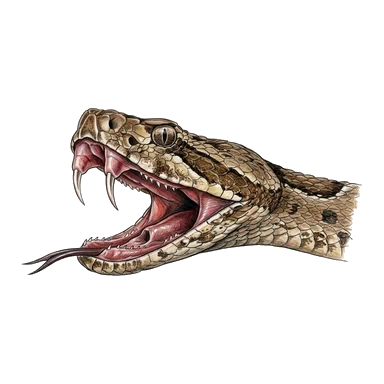 Ukuluma
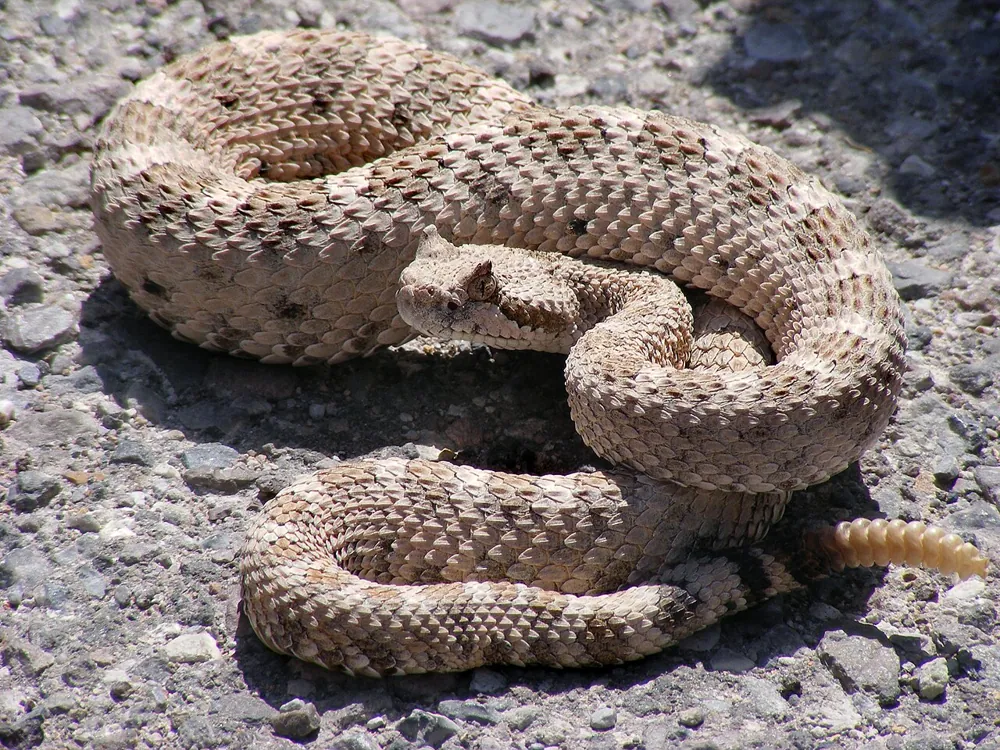
The sidewinder is a small rattlesnake that lives in the deserts of the south-western United States and north-western Mexico. It gets its name from the unusual sideways way it moves over loose sand. It is venomous, but its venom is weaker than that of many other rattlesnakes.1
 Indlela yokusibona
- Small, measuring 43 to 80 cm in total length including the tail.1
- Raised scales above the eyes give it horns.1
- The ground colour may be cream, buff, yellowish-brown, pink or ash grey, with 28 to 47 darker blotches along the back.1
- It moves with a sidewinding motion, leaving a J-shaped track in the sand with the tip of the hook pointing in the direction of travel.1
- Females are larger than males, which is unusual among United States rattlesnakes.1
Amandla obuthi
Ubuthi buphuma ngamazinyo aso obuthi noma ngamazinyo uma siluma.
Ubuthi baso benzani?
The venom causes pain, swelling and bruising, and can create bleeding blisters. Symptoms can include nausea, dizziness, chills, blood clotting disorders and shock. In one recorded case, a bitten man's whole arm was badly swollen and very painful within about 2.5 hours.1
Siyingozi kangakanani ebantwini?
Ingozi ebantwini: Kubi kakhuluUkulunywa kudinga udokotela. Ukufa kuyivelakancane kakhulu.Its venom is weaker than that of many other rattlesnakes, and its venom glands are smaller, so it is less dangerous than its larger relatives. Any rattlesnake bite can still be fatal and should be taken seriously.1
 Izindaba ezinhle: odokotela banomuthi (i-antivenom) noma indlela yokwelapha lokhu.1
 Uma siluma
- Seek medical attention immediately after any rattlesnake bite. Consult a local expert or regional poison control centre before giving antivenom.1
- Gcina umuntu engashukumi futhi ezolile, gcina isitho esilunyiwe sisezingeni lenhliziyo, khipha izindandatho nezinto eziqinile, bese umusa esibhedlela ngokushesha.
Njalo shayela kuqala inombolo yezimo eziphuthumayo (112, 000, 911). Lokhu kuyiseluleko sosizo lokuqala esijwayelekile, akusona iseluleko sezokwelapha. Izisekelo zosizo lokuqala
 Hlala uphephile
- Ungalokothi uthinte, ubambe noma ugcone isilwane sasendle, ngisho noma sincane, futhi ngisho noma sibukeka silele noma sifile.
- Sinike isikhala. Uma uhlangana naso, hlala uzolile, uhlehle kancane bese usiyeka sihambe ngendlela yaso.
- Uma sikuluma: hlala uzolile, ungashukumi, shayela inombolo yezimo eziphuthumayo (112, 000, 911) noma uye esibhedlela ngokushesha. Khumbula ukuthi besibukeka kanjani, isithombe siyasiza.
Asikuzingeli wena. Sisebenzisa ubuthi baso ukuze sibambe ukudla noma ukuzivikela, futhi singancamela ukucasha. Okwengeziwe mayelana nokuhlala uphephile
Sikhulu kangakanani?
Side kangakanani?
 side njengamakati asekhaya angu-1.5 kusuka ekhaleni kuya emsileni
 side njengobhanana abangu-4 abalandelanayo
 singahamba amamitha ali-100 ngemizuzwana engu-12 (umuntu oshesha kunabo bonke udinga engu-9,6)
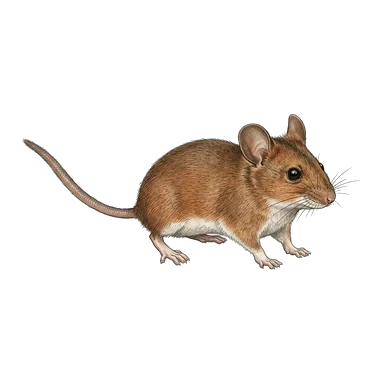
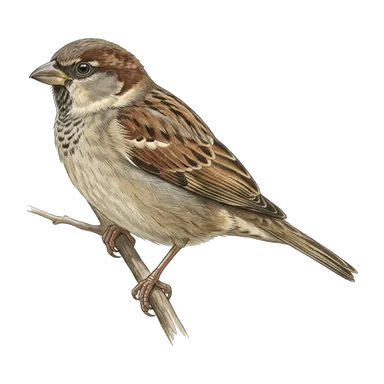
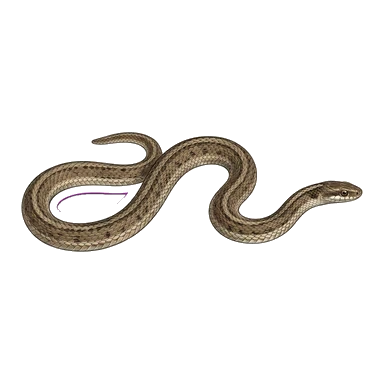
Sidewinder mkhulu kangakanani uma uqhathanisa NAWE?
Yizibalo nje kusiphequluli sakho. Akukho okulondolozwayo noma okuthunyelwa ndawo.
Sishesha kangakanani?

Amaqiniso
The AIM-9 Sidewinder missile was named after this snake, because both use infrared signals to track their targets.1
Juveniles and adults use different hunting methods. Juveniles lure lizards with fast tail movements that look like a moth or slower ones that look like a caterpillar.1
The raised scales above its eyes may shade the eyes or stop sand drifting over them. When the snake strikes against a burrow roof, pressure on these horns folds them down, which is thought to protect the eyes.1
Newborn sidewinders huddle together in a burrow for their first week or so, plugging the entrance during the day. Their combined body heat keeps the group at an average of about 32 °C, which is warm enough for shedding.1
Sidewinding is also used by other desert snakes, such as the horned adder and Peringuey's adder, and by robots that copy this movement.1
Okongoti bobuthi
- Igama lesayensi
- Crotalus cerastes
- Iqembu
- Ama-rattlesnake
- Umndeni
- Viperidae2
- Ukuhleleka
- Squamata
- Amazwekazi
- INyakatho Melika
- Izinsana
- It gives birth to live young, usually five to 18 per litter, with an average of about 10.1
- Isikhathi sokuphila
- cishe iminyaka engu-131
- Simo saso endle
- Least Concern1
- Ingozi ebantwini
- 3 / 5: Kubi kakhulu3
Lapho amaqiniso evela khona
- Crotalus cerastes (Wikipedia (CC BY-SA 4.0))
- Crotalus cerastes (iNaturalist): amagama nokuhlelwa ngezigaba.
- Venom Wiki: izinga lengozi, usayizi ojwayelekile nesiqagela sejubane kungokwethu. Bona ukuthi sikubala kanjani: Indlela esilinganisa ngayo ingozi.
Iqiniso ngalinye kuleli khasi linenombolo ekhomba umthombo walo. Uma senze iphutha, uxolo, singabathandi bezilwane, hhayi iphephabhuku lesayensi. Sitshele ku-[email protected] futhi sizolilungisa.
 Ufezela ulambile! I-Venom Wiki iwumsebenzi womuntu oyedwa: imahhala, ayinazo izikhangiso noma izilandeli. Isipho esincane sisiza ukuyigcina ku-inthanethi.Phakela ufezela
Okunye okuvela eqenjini elifanayo: Ama-rattlesnake
 Eastern diamondback rattlesnakeAma-rattlesnakeKungabulala
 Timber rattlesnakeAma-rattlesnakeKungabulala
 Western diamondback rattlesnakeAma-rattlesnakeKungabulala
 Mojave rattlesnakeAma-rattlesnakeKungabulala
 Aruba rattlesnakeAma-rattlesnakeKudinga udokotela
 Black-tailed rattlesnakeAma-rattlesnakeKudinga udokotela
 Terciopelo
 Eastern coral snake
 Eyelash viper
 Arizona bark scorpion
 Brown recluse
 Cane toad