
 I-Afrika
 I-Asia
 I-Yurophu
 INingizimu Melika
 I-Australia ne-Oceania
 I-Antarctica
 ULwandlekazi iPacific
 ULwandlekazi i-Atlantic
 ULwandlekazi i-India
 ULwandlekazi i-Arctic
 Ulwandle iMediterranean
 Ulwandle Olubomvu
 Ulwandle iCaribbean
 Ulwandle iCoral
 Ulwandle lwaseNingizimu China
 Ulwandle lwasePhilippines
 Ulwandle i-Andaman
 Ulwandle i-North Sea
 Ulwandle lwaseTimor ne-Arafura
 Ichweba laseBengal
 Ichweba laseCalifornia
Textile cone
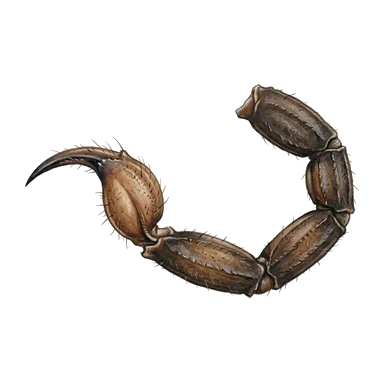 Ukuhlaba
The textile cone is a venomous sea snail. It is a mollusc with a patterned shell, and it hunts other snails at night. It lives in warm seas around Africa, Australia and the Pacific, and it can sting people, so it is important to know it.1
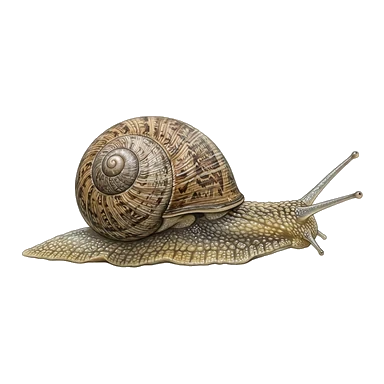
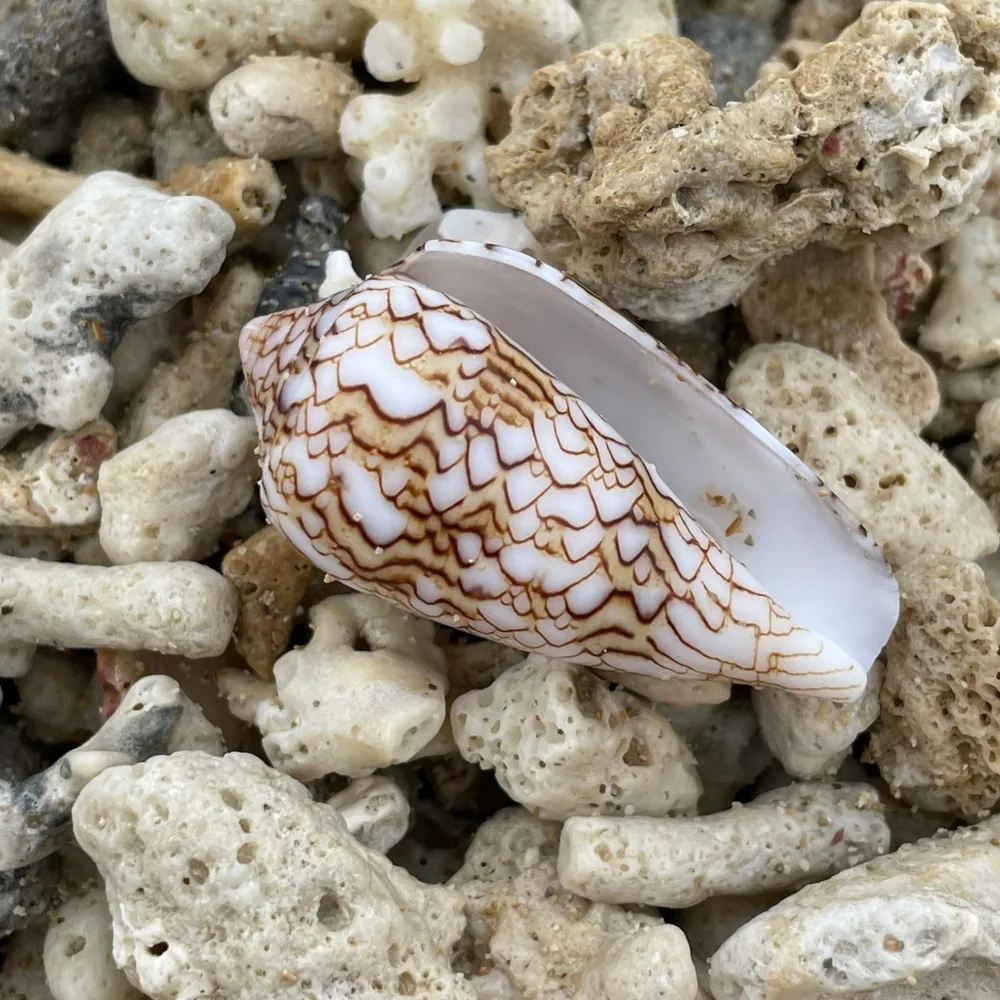
 Indlela yokusibona
Amandla obuthi
Ubuthi buphuma ngodosi.
Ubuthi baso benzani?
Its venom is a conotoxin, a mix of toxins injected through the harpoon-like radular tooth. The venom contains the neurotoxin RPRFamide, which attacks the nerves.1
Siyingozi kangakanani ebantwini?
Ingozi ebantwini: Kuyingozi kakhuluSingabulala umuntu ongatholi kwelashwa.Several human deaths have been attributed to this species. A 2004 report linked about 30 human deaths to cone snails as a group. Live animals should be handled carefully or not at all, and anyone handling one without protecting exposed skin is at risk.1
 Uma sihlaba
- Ukubopha ngokucindezela nokuvimba ukunyakaza (pressure immobilisation): bopha ibhandeshi elinwebekayo eliqinile phezu kwenxeba bese ukhuphuka nesitho sonke, usiqinise nge-splint, futhi ugcine umuntu engashukumi nhlobo kuze kufike usizo.
- Ingwane enezindandatho eziluhlaza okwesibhakabhaka noma umnenke we-cone ungamenza umuntu ayeke ukuphefumula esaphapheme: biza usizo futhi ulungele ukumphefumulela (rescue breaths) kuze kufike i-ambulensi ithathe izintambo.
Njalo shayela kuqala inombolo yezimo eziphuthumayo (112, 000, 911). Lokhu kuyiseluleko sosizo lokuqala esijwayelekile, akusona iseluleko sezokwelapha. Izisekelo zosizo lokuqala
 Hlala uphephile
- Ungalokothi uthinte, ubambe noma ugcone isilwane sasendle, ngisho noma sincane, futhi ngisho noma sibukeka silele noma sifile.
- Sinike isikhala. Uma uhlangana naso, hlala uzolile, uhlehle kancane bese usiyeka sihambe ngendlela yaso.
- Uma sikuhlaba: hlala uzolile, ungashukumi, shayela inombolo yezimo eziphuthumayo (112, 000, 911) noma uye esibhedlela ngokushesha. Khumbula ukuthi besibukeka kanjani, isithombe siyasiza.
Asikuzingeli wena. Sisebenzisa ubuthi baso ukuze sibambe ukudla noma ukuzivikela, futhi singancamela ukucasha. Okwengeziwe mayelana nokuhlala uphephile
Kuphi emhlabeni?
Sikhulu kangakanani?
Side kangakanani?
 side njengezitini zamathoyizi ezingu-5 ezilandelanayo
 sihamba kancane kunomnenke wasengadini
Textile cone mkhulu kangakanani uma uqhathanisa NAWE?
Yizibalo nje kusiphequluli sakho. Akukho okulondolozwayo noma okuthunyelwa ndawo.
Sishesha kangakanani?

Amaqiniso
Its shell pattern is made by natural cellular automata, and it resembles Wolfram's rule 30 pattern.1
The pigment cells that make the pattern sit in a narrow band along the shell's lip, and each cell responds to its neighbours.1
Its proboscis can reach any part of its own shell.1
In Australia it is most common in northern Queensland, but sightings are spreading south into New South Wales as ocean temperatures warm with climate change.1
Its larvae drift in the current for about 16 days before settling on the bottom of the sea.1
Okongoti bobuthi
- Igama lesayensi
- Conus textile
- Iqembu
- Iminenke ye-cone nezingwane
- Umndeni
- Conidae2
- Ukuhleleka
- Neogastropoda
- Amazwekazi
- ULwandlekazi i-India, ULwandlekazi iPacific, Ulwandle iCoral, Ulwandle Olubomvu, Ulwandle lwasePhilippines, Ulwandle lwase-Arabia ne-Persian Gulf, Ulwandle lwaseTimor ne-Arafura, Ichweba laseBengal, Izilwandlekazi
- Izinsana
- The female lays several hundred eggs at a time. They hatch after about 16 or 17 days, and the larvae float in the current for about 16 days before settling on the sea floor at about 1.5 mm long.1
- Ingozi ebantwini
- 4 / 5: Kuyingozi kakhulu3
Lapho amaqiniso evela khona
- Conus textile (Wikipedia (CC BY-SA 4.0))
- Conus textile (iNaturalist): amagama nokuhlelwa ngezigaba.
- Venom Wiki: izinga lengozi, usayizi ojwayelekile nesiqagela sejubane kungokwethu. Bona ukuthi sikubala kanjani: Indlela esilinganisa ngayo ingozi.
Iqiniso ngalinye kuleli khasi linenombolo ekhomba umthombo walo. Uma senze iphutha, uxolo, singabathandi bezilwane, hhayi iphephabhuku lesayensi. Sitshele ku-[email protected] futhi sizolilungisa.
 Ufezela ulambile! I-Venom Wiki iwumsebenzi womuntu oyedwa: imahhala, ayinazo izikhangiso noma izilandeli. Isipho esincane sisiza ukuyigcina ku-inthanethi.Phakela ufezela
Okunye okuvela eqenjini elifanayo: Iminenke ye-cone nezingwane
 Geography coneIminenke ye-cone nezingwaneKuyabulala
 Greater blue-ringed octopusIminenke ye-cone nezingwaneKuyabulala
 Southern blue-ringed octopusIminenke ye-cone nezingwaneKuyabulala
 Blue sea dragonIminenke ye-cone nezingwaneKubuhlungu nje
 Common octopusIminenke ye-cone nezingwaneAkunangozi
 Giant Pacific octopusIminenke ye-cone nezingwaneAkunangozi
Futhi ihlala: ULwandlekazi i-India
 Australian box jellyfishAma-jellyfish nezinye izilwane zasolwandle ezihlabayoKuyabulalaUngathinti
 Hawksbill sea turtleEzinye izilwane ezinoshevuKungabulala
 Irukandji jellyfishAma-jellyfish nezinye izilwane zasolwandle ezihlabayoKungabulalaUngathinti
 Reef stonefishIzinhlanzi ezinobuthiKungabulalaUngathinti
 Crown-of-thorns starfishIzinkalankala zasolwandle ezinameva, izinkanyezi zasolwandle nezikelemuKudinga udokotelaUngathinti
 Portuguese man o' warAma-jellyfish nezinye izilwane zasolwandle ezihlabayoKudinga udokotelaUngathinti