
 Abibirem
 Asia
Asia Yuropu
 Amerika Anaafoɔ
 Australia ne Oceania
 Antarctica
 Pacific Po
 Atlantic Po
 India Po
 Arctic Po
 Mediterranean Po
 Po Kɔkɔɔ
 Caribbean Po
 Coral Po
 China Anaafoɔ Po
 Philippine Po
 Andaman Po
 Atifi Po
 Timor ne Arafura Po
 Bengal Ɛpo Ano
 California Ɛpo Ano
Bardick
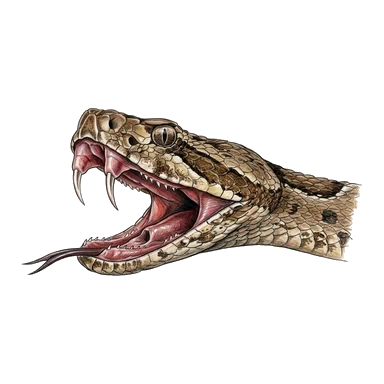 Ka
KaThe bardick is a short, stocky snake from Australia that is mostly active at night. It is considered venomous to humans, but very little is known about its venom, and bites on people are rare. It is a snake that is worth recognising and leaving alone.1
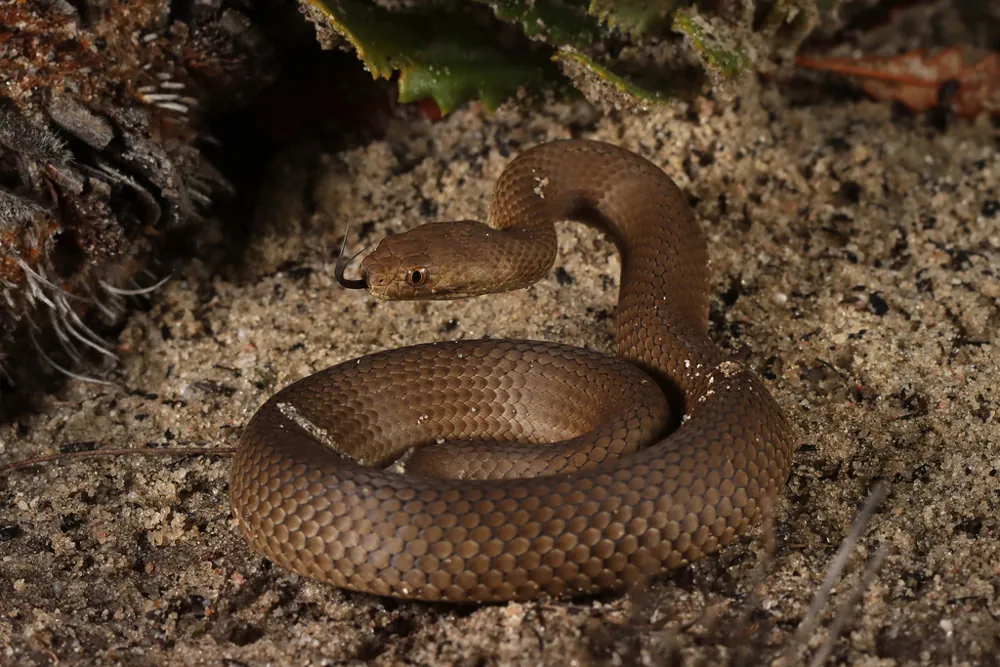
 Sɛdeɛ wobɛhunu no
Bɔre ahoɔden
Bɔre fi ne se mu ba bere a ɔka.
Ne bɔre yɛ dɛn?
Its venom contains neurotoxins, which attack the nerves. In tests it is highly neurotoxic to birds, comparable to the tiger snake, copperhead and inland taipan. Research on its venom is extremely limited, and the snake has not shown neurotoxic effects in people even after significant envenoming.1
Ne asiane ma nnipa te sɛn?
Asiane ma nnipa: Ɛyɛ denSɛ ɛka wo a, kɔ dɔkota nkyɛn. Ɛntaa nkum obi koraa.It is considered venomous to humans, but there is very little information about its bites. Bites on people are rare. One known case needed hospital treatment because of complications.1
 Asɛmpa: dɔkotafoɔ wɔ aduro (antivenom) anaa ayaresa ma yei.1
 Sɛ ɛka a
- The one known human case was hospitalised and treated with common death adder antivenom, which abated the complications. This antivenom is made for a different snake, the common death adder. Seek medical care urgently after any bite.1
- Pressure immobilisation: fa elastic bandage a ɛyɛ den kyekyere baabi a ɛkaa no so, na afei kyekyere kɔ soro wɔ nsa anaa nan no nyinaa so, fa splint kyekyere ho, na ma onipa no ntena dinn koraa kosi sɛ mmoa bɛba.
- Nhohoro baabi a ɛkaa no: ayaresabea betumi ahwehwɛ bɔre a aka honam no so no mu de apaw antivenom a ɛfata.
Di kan frɛ wo ahohiahia nɔma (112, 000, 911). Yei yɛ mmoa a ɛdi kan ho akwankyerɛ, ɛnyɛ dɔkota afotuo. Mmoa a ɛdi kan ho nsɛm titiriw
 Hwɛ wo ho so
- Mfa wo nsa nka wiram aboa biara, nkyere no na mfa no nni agorɔ, sɛ ɔyɛ ketewa mpo, na sɛ ɛte sɛ ɔrededa anaa wawu mpo a.
- Ma no kwan. Sɛ wohyia baako a, ma wo bo nnwo, san w'akyi brɛoo na ma ɔnkɔ ne kwan.
- Sɛ baako ka wo a: ma wo bo nnwo, tena dinn, frɛ wo ahohiahia nɔma (112, 000, 911) anaa kɔ ayaresabea ntɛm. Kae sɛdeɛ na ɛte, mfonini bɛboa.
Ɛnhwehwɛ wo sɛ ɛbɛpira wo. Ɛde ne bɔre kyere aduane anaa ɛbɔ ne ho ban, na ɛpɛ sɛ ɛhinta sene biribiara. Nsɛm pii fa ahobammɔ ho
Wiase mu baabi bɛn?
Ne kɛseɛ te sɛn?
Ne tenten te sɛn?
 ne tenten te sɛ kwadu 3 a wɔde to ntoatoasoɔ mu
 ne tenten te sɛ agodeɛ blɔk 18 a wɔde to ntoatoasoɔ mu
 ɛbɛtumi atu mita 100 wɔ anibu 59 mu (onipa a ɔwɔ ntɛm sen biara hia 9.6)
Bardick kɛseɛ te sɛn sɛ wode toto WO ho a?
Akontabuo kɛkɛ wɔ wo browser mu. Wɔnkora hwee, na wɔmfa hwee nkɔ baabiara.
Ne ntɛm te sɛn?


Nsɛm
Its venom is highly neurotoxic to birds, yet no neurotoxic effects have been seen in humans, even after significant envenoming.1
One female measuring 41 cm (16 in) from snout to vent carried 13 full-sized embryos, which is one of the largest litter volumes recorded for this species.1
The bardick has short, hollow, fixed fangs that deliver venom to its prey.1
Ma bɔre ho animdefoɔ
- Nyansahu din
- Echiopsis curta
- Kuo
- Australia awɔ
- Abusua
- Elapidae2
- Nhyehyɛeɛ (Order)
- Squamata
- Asaase akɛseɛ
- Australia ne Oceania
- Mmofra nketewa
- It gives birth to live young. Litters range from 3 to 14, averaging 7, and the young are up to 15 cm long at birth.1
- Sɛdeɛ ɔte wɔ kwaem
- Least Concern (IUCN Red List), with a decreasing population1
- Asiane ma nnipa
- 3 / 5: Ɛyɛ den3
Baabi a nsɛm no fi
- Echiopsis (Wikipedia (CC BY-SA 4.0))
- Echiopsis curta (iNaturalist): din ne nkyekyɛmu.
- Venom Wiki: asiane gyinabea, kɛseɛ a ɛtaa yɛ ne ntɛm susuo no yɛ yɛn ankasa deɛ. Hwɛ sɛdeɛ yɛbu no: Sɛdeɛ yɛkyerɛ asiane gyinabea.
Nsɛm biara a ɛwɔ kratafa yi so wɔ nɔma a ɛkyerɛ ne fibea. Sɛ yɛfom biribi a, kafra, yɛyɛ mmoa ho akɔnnɔfoɔ, ɛnyɛ nyansahu nwoma. Ka kyerɛ yɛn wɔ [email protected] na yɛbɛsiesie.
 Ɔkɔm de akekantwerɛ no! Onipa baako na ɔyɛ Venom Wiki: ɛyɛ kwa, dawurubɔ nni so na biribiara nni so a ɛdi w'akyi. Akyɛdeɛ ketewa bi boa ma ɛkɔ so tena internet so.Ma akekantwere no aduane
Pii fi kuo korɔ no mu: Australia awɔ
 Coastal taipan
 Common death adder
 Eastern brown snake
 Taipan a ɔwɔ Australia mfinimfini
 Ɔwɔ a ɔte sɛ ɔsebɔ (Tiger snake)
 Collett's snake
Ɔte nso wɔ: Australia ne Oceania
 Sydney funnel-web spiderTarantula ne funnel-webƐkum
 Redback spiderAnanseƐhia dɔkota
 Brown tree snakeAwɔ a wɔn bɔre se wɔ akyiƐyɛ yaw kɛkɛ
 Hooded pitohuiMmoa afoforɔ a wɔn ho yɛ awuduroƐyɛ yaw kɛkɛMfa wo nsa nka
 PlatypusNufoɔ mmoa a wɔwɔ bɔreƐyɛ yaw kɛkɛ
 Northern tree-dwelling funnel-web spiderTarantula ne funnel-webƐkum