
 Abibirem
 Asia
Asia Yuropu
 Amerika Anaafoɔ
 Australia ne Oceania
 Antarctica
 Pacific Po
 Atlantic Po
 India Po
 Arctic Po
 Mediterranean Po
 Po Kɔkɔɔ
 Caribbean Po
 Coral Po
 China Anaafoɔ Po
 Philippine Po
 Andaman Po
 Atifi Po
 Timor ne Arafura Po
 Bengal Ɛpo Ano
 California Ɛpo Ano
Platypus
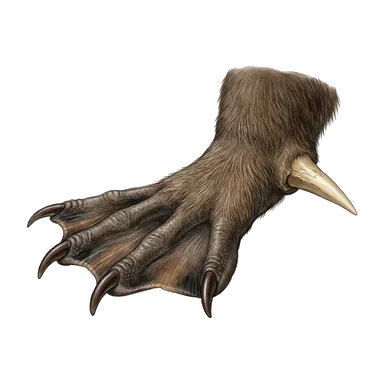 Nan ho nsɔe (spurs) a bɔre wom
The platypus is a semiaquatic mammal that lays eggs, and it has a duck-like bill and a beaver-like tail. It lives in eastern Australia, including Tasmania. It is special because it is one of the few venomous mammals.1

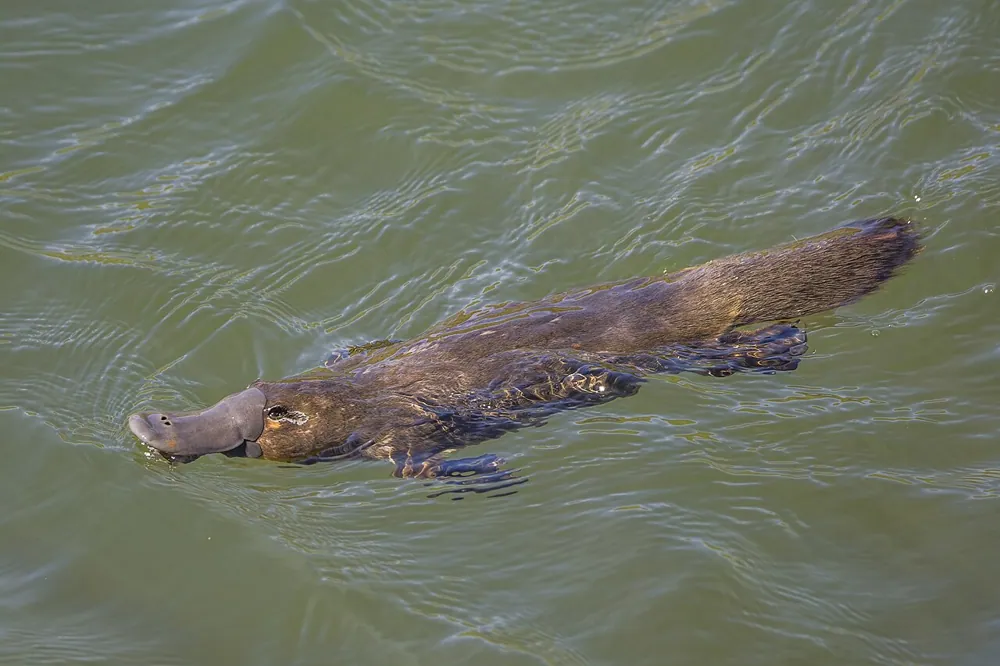
 Sɛdeɛ wobɛhunu no
- Short, dense, brown fur that is waterproof1
- A soft, duck-like bill1
- A wide, flat, furry tail, unlike the scaly tail of a beaver1
- Short legs with webbing, most noticeably on the front feet1
- Small eyes and ears that sit in a groove that closes underwater1
Wɔtaa fa no sɛ: Early European naturalists were confused by the platypus and thought it was a fake, made by sewing a duck's beak onto a beaver-like body. Its tail looks like a beaver's, but it is furry rather than scaly.1
Bɔre ahoɔden
Nsɔe a ano yɛ nnam a ɛwɔ n'akyi nan so na ɛkura bɔre no.
Ne bɔre yɛ dɛn?
Only the male platypus has venom, which it injects through a spur on each hind foot. The venom is powerful enough to cause extreme pain in humans. The affected limb then develops swelling, which starts at the wound and spreads.1
Ne asiane ma nnipa te sɛn?
Asiane ma nnipa: Ɛyɛ yawƐtumi yɛ yaw paa, nanso ɛkame ayɛ sɛ ɛnyɛ asiane kɛseɛ da.The venom is extremely painful.1
 Sɛ ne nan ho nsɔe (spur) hyɛ wo mu a
- Hohoro kuro no yie na hwehwɛ dɔkota mmoa.
Di kan frɛ wo ahohiahia nɔma (112, 000, 911). Yei yɛ mmoa a ɛdi kan ho akwankyerɛ, ɛnyɛ dɔkota afotuo. Mmoa a ɛdi kan ho nsɛm titiriw
 Hwɛ wo ho so
- Mfa wo nsa nka wiram aboa biara, nkyere no na mfa no nni agorɔ, sɛ ɔyɛ ketewa mpo, na sɛ ɛte sɛ ɔrededa anaa wawu mpo a.
- Ma no kwan. Sɛ wohyia baako a, ma wo bo nnwo, san w'akyi brɛoo na ma ɔnkɔ ne kwan.
- Sɛ ne nan ho nsɔe (spur) hyɛ wo mu a: ma wo bo nnwo, tena dinn, frɛ wo ahohiahia nɔma (112, 000, 911) anaa kɔ ayaresabea ntɛm. Kae sɛdeɛ na ɛte, mfonini bɛboa.
Ɛnhwehwɛ wo sɛ ɛbɛpira wo. Ɛde ne bɔre kyere aduane anaa ɛbɔ ne ho ban, na ɛpɛ sɛ ɛhinta sene biribiara. Nsɛm pii fa ahobammɔ ho
Wiase mu baabi bɛn?
Ne kɛseɛ te sɛn?
Ne tenten te sɛn?
Ne mu duru te sɛn?
 ne tenten te sɛ kwadu 3 a wɔde to ntoatoasoɔ mu
 ne tenten te sɛ agodeɛ blɔk 16 a wɔde to ntoatoasoɔ mu
 ɛbɛtumi aguare aguare tare kɛseɛ tenten (50 m) wɔ anibu 51 mu
Platypus kɛseɛ te sɛn sɛ wode toto WO ho a?
Akontabuo kɛkɛ wɔ wo browser mu. Wɔnkora hwee, na wɔmfa hwee nkɔ baabiara.
Ne ntɛm te sɛn?
Nsɛm
The platypus has about 40,000 electroreceptors in its bill, which detect electric signals from prey in murky water.1
Its fur is one of the most densely packed of any mammal, behind only otters. It also glows cyan and green under ultraviolet light.1
The platypus lacks a functional stomach, because it does not have the genes needed to make pepsin, a digestive enzyme.1
Adult platypuses have no teeth. They have heavily keratinised grinding pads instead, and young platypuses lose their teeth around the time they leave their burrow.1
Its average body temperature is about 32 °C, lower than the 37 °C typical of placental mammals.1
Atosɛm sɛefoɔ
Atosɛm: The platypus is a hoax, made by sewing several animals together.
Nokorɛ: The platypus is a real species. When the first scientists examined a preserved body in 1799, they doubted it, and George Shaw even used scissors to check for stitches.1
Ma bɔre ho animdefoɔ
- Nyansahu din
- Ornithorhynchus anatinus
- Kuo
- Nufoɔ mmoa a wɔwɔ bɔre
- Abusua
- Ornithorhynchidae2
- Nhyehyɛeɛ (Order)
- Monotremata
- Asaase akɛseɛ
- Australia ne Oceania
- Mmofra nketewa
- The platypus lays eggs instead of giving birth to live young.1
- Sɛdeɛ ɔte wɔ kwaem
- Near-threatened (IUCN). A November 2020 report recommended upgrading it to threatened under Australia's federal EPBC Act.1
- Asiane ma nnipa
- 2 / 5: Ɛyɛ yaw3
Baabi a nsɛm no fi
- Platypus (Wikipedia (CC BY-SA 4.0))
- Ornithorhynchus anatinus (iNaturalist): din ne nkyekyɛmu.
- Venom Wiki: asiane gyinabea, kɛseɛ a ɛtaa yɛ ne ntɛm susuo no yɛ yɛn ankasa deɛ. Hwɛ sɛdeɛ yɛbu no: Sɛdeɛ yɛkyerɛ asiane gyinabea.
Nsɛm biara a ɛwɔ kratafa yi so wɔ nɔma a ɛkyerɛ ne fibea. Sɛ yɛfom biribi a, kafra, yɛyɛ mmoa ho akɔnnɔfoɔ, ɛnyɛ nyansahu nwoma. Ka kyerɛ yɛn wɔ [email protected] na yɛbɛsiesie.
 Ɔkɔm de akekantwerɛ no! Onipa baako na ɔyɛ Venom Wiki: ɛyɛ kwa, dawurubɔ nni so na biribiara nni so a ɛdi w'akyi. Akyɛdeɛ ketewa bi boa ma ɛkɔ so tena internet so.Ma akekantwere no aduane
Pii fi kuo korɔ no mu: Nufoɔ mmoa a wɔwɔ bɔre
 Common vampire batNufoɔ mmoa a wɔwɔ bɔreƐyɛ yaw kɛkɛ
 Bengal slow lorisNufoɔ mmoa a wɔwɔ bɔreƐyɛ yaw kɛkɛ
 Cuban solenodonNufoɔ mmoa a wɔwɔ bɔreƐyɛ yaw kɛkɛ
 Hispaniolan solenodonNufoɔ mmoa a wɔwɔ bɔreƐyɛ yaw kɛkɛ
 Javan slow lorisNufoɔ mmoa a wɔwɔ bɔreƐyɛ yaw kɛkɛ
 Pygmy slow lorisNufoɔ mmoa a wɔwɔ bɔreƐyɛ yaw kɛkɛ
 Coastal taipan
 Common death adder
 Eastern brown snake
 Taipan a ɔwɔ Australia mfinimfini
 Sydney funnel-web spider
 Ɔwɔ a ɔte sɛ ɔsebɔ (Tiger snake)
_Scottsdale.jpg)