
 Abibirem
 Asia
Asia Yuropu
 Amerika Anaafoɔ
 Australia ne Oceania
 Antarctica
 Pacific Po
 Atlantic Po
 India Po
 Arctic Po
 Mediterranean Po
 Po Kɔkɔɔ
 Caribbean Po
 Coral Po
 China Anaafoɔ Po
 Philippine Po
 Andaman Po
 Atifi Po
 Timor ne Arafura Po
 Bengal Ɛpo Ano
 California Ɛpo Ano
Channel catfish
 Nsɔe a bɔre wom
The channel catfish is a freshwater fish native to North America, and it is the continent's most common catfish. It lives in rivers, lakes, ponds and reservoirs, and it is a popular fish for anglers to catch and eat. It has spines on some of its fins that can cause a small injury if it is handled badly.1



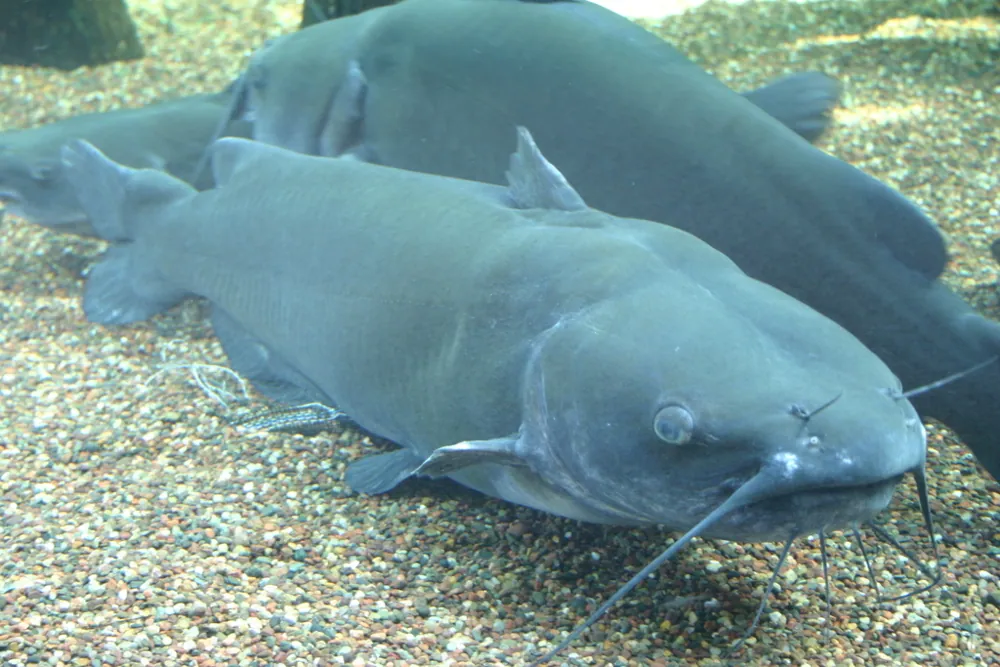
 Sɛdeɛ wobɛhunu no
Bɔre ahoɔden
Nsɔe a ano yɛ nnam na ɛkura bɔre no. Sɛ wotiatia so anaa wosɔ mu a, ɛyɛ yaw.
Ne bɔre yɛ dɛn?
The pectoral spine has poisonous tissues that help deter predators.1
Ne asiane ma nnipa te sɛn?
Asiane ma nnipa: Ɛyɛ yawƐtumi yɛ yaw paa, nanso ɛkame ayɛ sɛ ɛnyɛ asiane kɛseɛ da.Its fin spines may cause injury if the fish is handled improperly. A prick from a spine is no more dangerous than a mosquito sting.1
Ɛyɛ dɛn bere a ehu aka no?
It can lock its pectoral spine as a defence, and the serrated, poison-bearing spine helps to deter predators.1
 Sɛ ne nsɔe hyɛ wo mu a
- Fa kuro no hyɛ nsuo hyew mu, ɛnyɛ hyew sene deɛ onipa no betumi agyina a ɛnhye no (fa wo ankasa wo nsa sɔ hwɛ), simma 30 kɔsi 90. Hwehwɛ dɔkota mmoa, titiriw ma stonefish ne stingray.
Di kan frɛ wo ahohiahia nɔma (112, 000, 911). Yei yɛ mmoa a ɛdi kan ho akwankyerɛ, ɛnyɛ dɔkota afotuo. Mmoa a ɛdi kan ho nsɛm titiriw
 Hwɛ wo ho so
- Mfa wo nsa nka wiram aboa biara, nkyere no na mfa no nni agorɔ, sɛ ɔyɛ ketewa mpo, na sɛ ɛte sɛ ɔrededa anaa wawu mpo a.
- Ma no kwan. Sɛ wohyia baako a, ma wo bo nnwo, san w'akyi brɛoo na ma ɔnkɔ ne kwan.
- Sɛ ne nsɔe hyɛ wo mu a: ma wo bo nnwo, tena dinn, frɛ wo ahohiahia nɔma (112, 000, 911) anaa kɔ ayaresabea ntɛm. Kae sɛdeɛ na ɛte, mfonini bɛboa.
Ɛnhwehwɛ wo sɛ ɛbɛpira wo. Ɛde ne bɔre kyere aduane anaa ɛbɔ ne ho ban, na ɛpɛ sɛ ɛhinta sene biribiara. Nsɛm pii fa ahobammɔ ho
Wiase mu baabi bɛn?
Ne kɛseɛ te sɛn?
Ne tenten te sɛn?
Ne mu duru te sɛn?

 ne tenten te sɛ agodeɛ blɔk 9 a wɔde to ntoatoasoɔ mu
 ɛbɛtumi aguare aguare tare kɛseɛ tenten (50 m) wɔ anibu 21 mu
Channel catfish kɛseɛ te sɛn sɛ wode toto WO ho a?
Akontabuo kɛkɛ wɔ wo browser mu. Wɔnkora hwee, na wɔmfa hwee nkɔ baabiara.
Ne ntɛm te sɛn?

Nsɛm
Taste buds cover the whole body, and they are most dense on the four pairs of barbels around the mouth.1
They can sense certain amino acids in water at about one part per 100 million, which helps them find food in murky water.1
The largest channel catfish on record weighed 26 kg and was caught in South Carolina in 1964.1
Channel catfish are the most fished catfish in the United States, with around 8 million anglers catching them each year.1
Fossils of this species have been found in central North America from the Miocene onwards, and the species has lasted for nearly 20 million years.1
Kansas, Missouri, Nebraska and Tennessee have made the channel catfish their official state fish.1
Atosɛm sɛefoɔ
Atosɛm: Channel catfish barbels can sting when touched.
Nokorɛ: The barbels cannot sting. The spines on the pectoral and dorsal fins are the only part that can cause injury.1
Ma bɔre ho animdefoɔ
Baabi a nsɛm no fi
- Channel catfish (Wikipedia (CC BY-SA 4.0))
- Ictalurus punctatus (iNaturalist): din ne nkyekyɛmu.
- Venom Wiki: asiane gyinabea, kɛseɛ a ɛtaa yɛ ne ntɛm susuo no yɛ yɛn ankasa deɛ. Hwɛ sɛdeɛ yɛbu no: Sɛdeɛ yɛkyerɛ asiane gyinabea.
Nsɛm biara a ɛwɔ kratafa yi so wɔ nɔma a ɛkyerɛ ne fibea. Sɛ yɛfom biribi a, kafra, yɛyɛ mmoa ho akɔnnɔfoɔ, ɛnyɛ nyansahu nwoma. Ka kyerɛ yɛn wɔ [email protected] na yɛbɛsiesie.
 Ɔkɔm de akekantwerɛ no! Onipa baako na ɔyɛ Venom Wiki: ɛyɛ kwa, dawurubɔ nni so na biribiara nni so a ɛdi w'akyi. Akyɛdeɛ ketewa bi boa ma ɛkɔ so tena internet so.Ma akekantwere no aduane
Pii fi kuo korɔ no mu: Apataa a wɔwɔ bɔre
 Brown bullheadApataa a wɔwɔ bɔreƐyɛ yaw kɛkɛMfa wo nsa nka
 Carolina madtomApataa a wɔwɔ bɔreƐyɛ yaw kɛkɛMfa wo nsa nka
 Margined madtomApataa a wɔwɔ bɔreƐyɛ yaw kɛkɛMfa wo nsa nka
 StonecatApataa a wɔwɔ bɔreƐyɛ yaw kɛkɛMfa wo nsa nka
 Tadpole madtomApataa a wɔwɔ bɔreƐyɛ yaw kɛkɛMfa wo nsa nka
 Reef stonefishApataa a wɔwɔ bɔreƐtumi kumMfa wo nsa nka
 Terciopelo
 Eastern coral snake
 Eastern diamondback rattlesnake
 Eyelash viper
 Timber rattlesnake
 Western diamondback rattlesnake