
 Abibirem
 Asia
Asia Yuropu
 Amerika Anaafoɔ
 Australia ne Oceania
 Antarctica
 Pacific Po
 Atlantic Po
 India Po
 Arctic Po
 Mediterranean Po
 Po Kɔkɔɔ
 Caribbean Po
 Coral Po
 China Anaafoɔ Po
 Philippine Po
 Andaman Po
 Atifi Po
 Timor ne Arafura Po
 Bengal Ɛpo Ano
 California Ɛpo Ano
Common quail
 Ɛyɛ awuduro sɛ wodi aƆdi: Biribiara kakraNe ho yɛ awuduro, onni bɔre
The common quail is a small, plump ground-nesting bird. It breeds across Europe and North Africa and spends the winter in Africa and southern India. Its meat can be poisonous, so it is a bird where a little knowledge matters.1



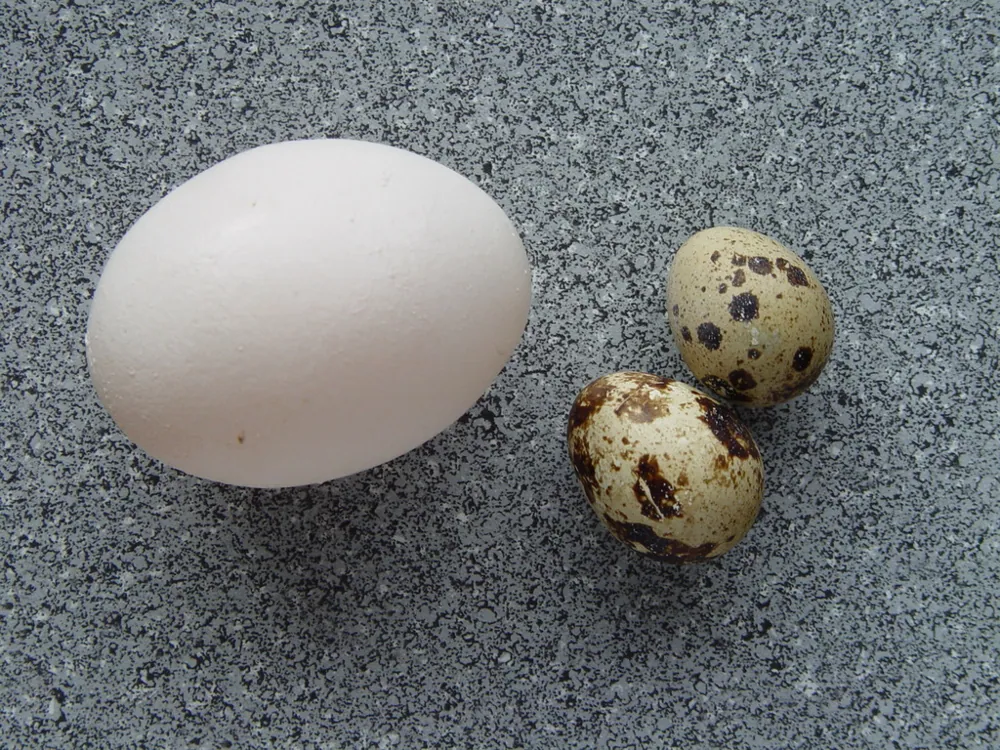
 Sɛdeɛ wobɛhunu no
- A small, compact bird about 16 to 18 cm long1
- Streaked brown plumage with a white eyestripe1
- Males have a white chin1
- Long wings, unlike most game birds1
- A call of three repeated chirps, and the male's song sounds like 'wet-my-lips'1
Wɔtaa fa no sɛ: The Japanese quail (Coturnix japonica), native to Asia, looks very similar. Its call is very different from that of the common quail, which is the best way to tell them apart.1
Awuduro ahoɔden
Ɛyɛ asiane bere a biribi adi no nko ara.
Ne ho awuduro yɛ dɛn?
This bird is not venomous. Its meat can be poisonous if the birds have eaten certain plants, although which plants is still debated. The resulting illness, called coturnism, causes muscle soreness and may lead to kidney failure.1
Ne asiane ma nnipa te sɛn?
Asiane ma nnipa: Ɛyɛ yawƐtumi yɛ yaw paa, nanso ɛkame ayɛ sɛ ɛnyɛ asiane kɛseɛ da.One in four people who eat poisonous quail meat become ill with coturnism. The illness can lead to kidney failure.1
Ɛyɛ dɛn bere a ehu aka no?
When flushed, it keeps low and soon drops back into cover. It would rather creep away than fly.1
 Sɛ obi de ne nsa ka anaa ɔdi a
- Sɛ obi adi bi anaa ne ho anyɛ no dɛ bere a wadi akyi a: frɛ wo ahohiahia nɔma anaa awuduro ho mmoa adwumayɛbea (poison centre) ntɛm ara.
Di kan frɛ wo ahohiahia nɔma (112, 000, 911). Yei yɛ mmoa a ɛdi kan ho akwankyerɛ, ɛnyɛ dɔkota afotuo. Mmoa a ɛdi kan ho nsɛm titiriw
 Hwɛ wo ho so
- Mfa wo nsa nka wiram aboa biara, nkyere no na mfa no nni agorɔ, sɛ ɔyɛ ketewa mpo, na sɛ ɛte sɛ ɔrededa anaa wawu mpo a.
- Ma no kwan. Sɛ wohyia baako a, ma wo bo nnwo, san w'akyi brɛoo na ma ɔnkɔ ne kwan.
- Sɛ wode wo nsa kaa no anaa wodii a: mfa wo nsa ntwitwi w'ani anaa w'ano, hohoro wo nsa na hwehwɛ dɔkota mmoa.
Ɛnhwehwɛ wo sɛ ɛbɛpira wo. Ne ho awuduro no wɔ hɔ sɛdeɛ ɛbɛyɛ a biribiara renni no. Nsɛm pii fa ahobammɔ ho
Wiase mu baabi bɛn?
Ne kɛseɛ te sɛn?
Ne tenten te sɛn?
Ne mu duru te sɛn?

 ne tenten te sɛ agodeɛ blɔk 6 a wɔde to ntoatoasoɔ mu
 ɛbɛtumi atu atwa bɔɔlobɔ agodibea mu nyinaa wɔ anibu 9,5 mu
Common quail kɛseɛ te sɛn sɛ wode toto WO ho a?
Akontabuo kɛkɛ wɔ wo browser mu. Wɔnkora hwee, na wɔmfa hwee nkɔ baabiara.
Ne ntɛm te sɛn?


Nsɛm
Huge numbers are caught in nets along the Mediterranean coast of Egypt. An estimated 12.9 million birds were caught across Egypt in 2012 during the autumn migration.1
In 1537, Queen Jane Seymour, third wife of Henry VIII, developed a strong craving for quail. Courtiers and diplomats abroad were ordered to find supplies for her.1
The Book of Numbers in the Bible describes a huge mass of quails blown in by a wind, which the Israelites took as meat in the wilderness.1
Common quails are strongly migratory, unlike most game birds.1
The young can leave the nest and feed themselves shortly after hatching, and they stay with the family group for 30 to 50 days.1
Ma bɔre ho animdefoɔ
- Nyansahu din
- Coturnix coturnix
- Kuo
- Mmoa afoforɔ a wɔn ho yɛ awuduro
- Abusua
- Phasianidae2
- Nhyehyɛeɛ (Order)
- Galliformes
- Asaase akɛseɛ
- Yuropu, Asia, Abibirem
- Mmofra nketewa
- The female lays a clutch of 8 to 13 eggs, one every 24 hours, in a shallow scrape on the ground. The chicks hatch together after 17 to 20 days and can feed themselves soon after hatching.1
- Sɛdeɛ ɔte wɔ kwaem
- Least concern (IUCN)1
- Asiane ma nnipa
- 2 / 5: Ɛyɛ yaw3
Baabi a nsɛm no fi
- Common quail (Wikipedia (CC BY-SA 4.0))
- Coturnix coturnix (iNaturalist): din ne nkyekyɛmu.
- Venom Wiki: asiane gyinabea, kɛseɛ a ɛtaa yɛ ne ntɛm susuo no yɛ yɛn ankasa deɛ. Hwɛ sɛdeɛ yɛbu no: Sɛdeɛ yɛkyerɛ asiane gyinabea.
Nsɛm biara a ɛwɔ kratafa yi so wɔ nɔma a ɛkyerɛ ne fibea. Sɛ yɛfom biribi a, kafra, yɛyɛ mmoa ho akɔnnɔfoɔ, ɛnyɛ nyansahu nwoma. Ka kyerɛ yɛn wɔ [email protected] na yɛbɛsiesie.
 Ɔkɔm de akekantwerɛ no! Onipa baako na ɔyɛ Venom Wiki: ɛyɛ kwa, dawurubɔ nni so na biribiara nni so a ɛdi w'akyi. Akyɛdeɛ ketewa bi boa ma ɛkɔ so tena internet so.Ma akekantwere no aduane
Pii fi kuo korɔ no mu: Mmoa afoforɔ a wɔn ho yɛ awuduro
 Spanish flyMmoa afoforɔ a wɔn ho yɛ awuduroƐhia dɔkotaMfa wo nsa nka
 African crested ratMmoa afoforɔ a wɔn ho yɛ awuduroƐhia dɔkotaMfa wo nsa nka
 Green spotted pufferMmoa afoforɔ a wɔn ho yɛ awuduroƐhia dɔkota
 Spur-winged gooseMmoa afoforɔ a wɔn ho yɛ awuduroƐyɛ yaw kɛkɛ
 Cinnabar mothMmoa afoforɔ a wɔn ho yɛ awuduroƐnni asiane
 Fahaka pufferfishMmoa afoforɔ a wɔn ho yɛ awuduroƐtumi kum
Ɔte nso wɔ: Yuropu
 Common European adderViper ne adderƐhia dɔkota
 Common waspWowa, kotokurodu ne kotokurodu akɛseɛƐyɛ yaw kɛkɛ
 European hornetWowa, kotokurodu ne kotokurodu akɛseɛƐyɛ yaw kɛkɛ
 Fire salamanderApɔtorɔwa a wɔn ho yɛ awuduro, apɔtorɔ ne newtƐyɛ yaw kɛkɛMfa wo nsa nka
 Western honey beeWowa, kotokurodu ne kotokurodu akɛseɛƐyɛ yaw kɛkɛ
 Blunt-nosed viperViper ne adderƐtumi kum