
 Bitten or stung?
 All animals
 Pick a continent
 Africa
 Asia
 Europe
 South America
 Australia & Oceania
 Antarctica
 Pacific Ocean
 Atlantic Ocean
 Indian Ocean
 Arctic Ocean
 Mediterranean Sea
 Red Sea
 Caribbean Sea
 Coral Sea
 South China Sea
 Philippine Sea
 Andaman Sea
 North Sea
 Timor & Arafura Sea
 Bay of Bengal
 Gulf of California
 Games
 Venom battle
 Animal race
 Field notebook
 Venom TOP lists
 Stay safe
 Surprise me

Net fire coral
 Stings
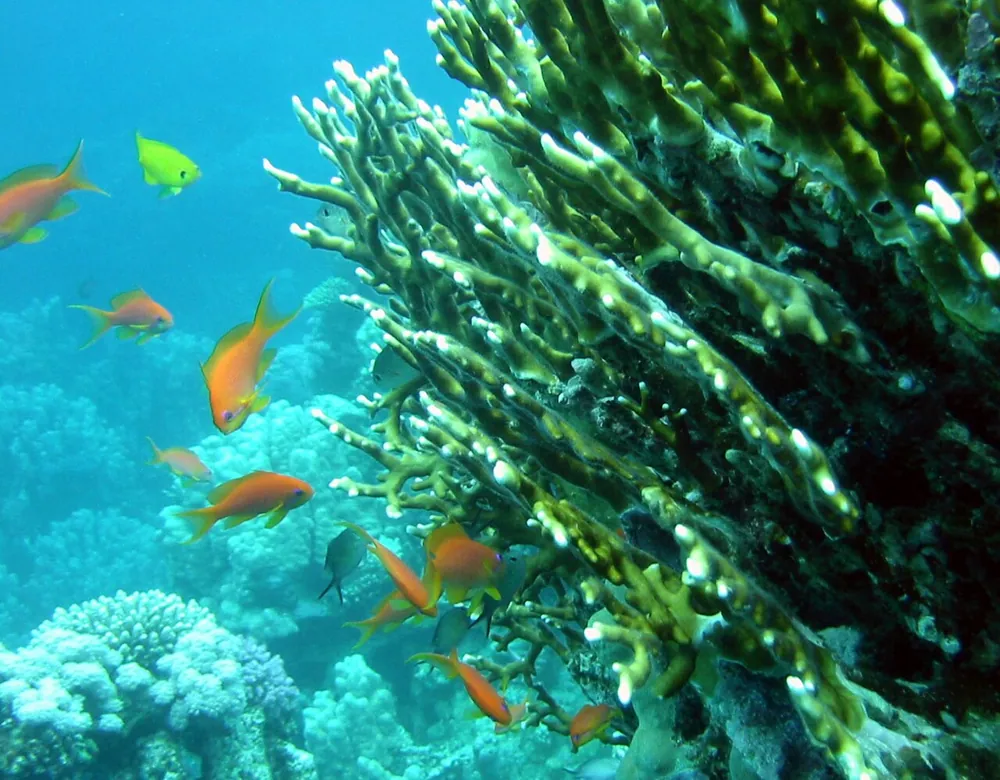
The net fire coral is a colony-forming sea animal that looks like coral. It builds hard, lacy or box-shaped structures and lives in shallow tropical seas. Its sting is painful, so it is one to admire from a distance.1

 How to recognise it
- Forms colonies up to 60 cm wide, and clumps of colonies may be several metres across.1
- Starts as a flat, crust-like layer stuck to hard surfaces, then grows into lace-like, leaf-like blade or box-work shapes.1
- Lace-like forms are more fragile and grow best in deeper, calmer water. Box-work forms cope better with harsher conditions.1
- Has vibrant colours, given by symbiotic algae called zooxanthellae that live inside its tissues.1
Venom power
Thousands of tiny stinging cells fire when something touches them.
What does its venom do?
Its stinging cells, called nematocysts, carry venom. The venom is fatal to many organisms but has not been found to be fatal to humans. Contact can cause extreme pain and burn-like wounds.1
How dangerous is it to people?
Danger to people: PainfulIt can really hurt, but it is almost never serious.Its sting has not been found to be fatal to humans. It can cause extreme pain, burn-like wounds and skin irritation that may last for up to two weeks.1
 If it stings
Call your emergency number at once if the person has trouble breathing, swelling of the face or throat, or feels faint.
- Rinse the skin with seawater (not fresh water), lift off any bits with sticky tape and cool it with a wrapped cold pack. Get medical help if the pain is strong or spreads, or the person feels unwell.
This is general first aid guidance, not medical advice. Based on the first aid guidelines of the World Health Organization and the Australian Resuscitation Council. Facts come from public sources and may contain mistakes. When in doubt, always get medical help. First aid basics
 Stay safe
- Never touch, catch or tease a wild animal, even a small one, and even if it looks asleep or dead.
- Give it space. If you meet one, stay calm, step back slowly and let it go its own way.
- If it hurts you: wash the spot, stay calm and get medical help if the pain is strong or spreads, or the person feels unwell.
It is not out to get you. It uses its venom to catch food or to protect itself, and it would much rather hide. More about staying safe
Where in the world?
How big is it?
How long is it?
 as long as 3 bananas end to end
How big is Net fire coral compared to you?
Just maths in your browser. Nothing is saved or sent anywhere.
Facts
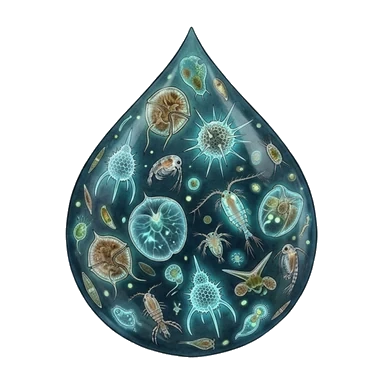
Its polyps catch floating food with stinging cells as well as with their feeding structures.1
When a colony breaks apart, its structure can change, for example from fragile lace-like growth to thicker box-work.1
Its colours come from symbiotic zooxanthellae, which also help it grow and recycle nutrients.1
A single colony can grow into a shape that depends on depth, location and how cloudy the water is.1
Myth buster
Myth: Net fire coral stings are deadly to people.
Truth: Its venom is fatal to many organisms, but it has not been found to be fatal to humans. Its sting is still very painful and can leave burn-like wounds.1
For venom experts
- Scientific name
- Millepora dichotoma
- Group
- Jellyfish & sea stingers
- Family
- Milleporidae2
- Order
- Anthoathecata
- Continents
- Pacific Ocean, Indian Ocean, Red Sea, Coral Sea, Philippine Sea, Timor & Arafura Sea, The oceans
- Babies
- It spawns in a synchronised release of eggs and sperm (gametes) between April and May, and gametes can still be present in June. The fertilised young drift on currents and settle on the seafloor to start new colonies.1
- How it is doing in the wild
- Endangered (IUCN, 2022)1
- Danger to people
- 2 / 5: Painful3
Where the facts come from
- Millepora dichotoma (Wikipedia (CC BY-SA 4.0))
- Millepora dichotoma (iNaturalist): names and classification.
- Venom Wiki: the danger level, the typical size and the speed guess are our own. See how we work them out: How we rate danger.
Every fact on this page has a number that points to its source. If we got something wrong, sorry, we are animal fans, not a science journal. Tell us at [email protected] and we will fix it.
Get the Venom Wiki app
Every creature, every picture and the games in your pocket, even without internet.


 Support Venom Wiki Venom Wiki is a one-man project: free, with no ads and no cookies. A small tip helps keep it online.Feed the scorpion
More from the same group: Jellyfish & sea stingers
 Australian box jellyfishJellyfish & sea stingersDeadlyDo not touch
 Irukandji jellyfishJellyfish & sea stingersCan killDo not touch
 Portuguese man o' warJellyfish & sea stingersNeeds a doctorDo not touch
 Lion's mane jellyfishJellyfish & sea stingersPainfulDo not touch
 Moon jellyfishJellyfish & sea stingersMild
 Common kingslayerJellyfish & sea stingersCan killDo not touch
Also lives in: Pacific Ocean
 Geography coneCone snails & octopusesDeadly
 Greater blue-ringed octopusCone snails & octopusesDeadly
 Japanese pufferfishOther poisonous animalsDeadly
 Southern blue-ringed octopusCone snails & octopusesDeadly
 Hawksbill sea turtleOther poisonous animalsCan kill
 Reef stonefishVenomous fishCan killDo not touch