
 Bitten or stung?
 All animals
 Pick a continent
 Africa
 Asia
 Europe
 South America
 Australia & Oceania
 Antarctica
 Pacific Ocean
 Atlantic Ocean
 Indian Ocean
 Arctic Ocean
 Mediterranean Sea
 Red Sea
 Caribbean Sea
 Coral Sea
 South China Sea
 Philippine Sea
 Andaman Sea
 North Sea
 Timor & Arafura Sea
 Bay of Bengal
 Gulf of California
 Games
 Venom battle
 Animal race
 Field notebook
 Venom TOP lists
 Stay safe
 Surprise me
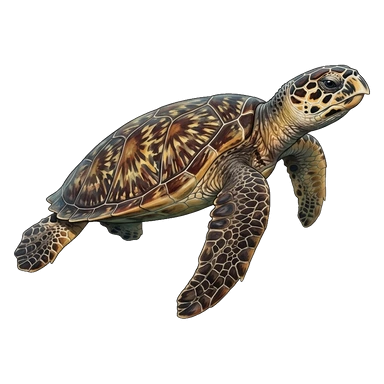
Hawksbill sea turtle
 If someone ate it
 Poisonous to eatEats: A bit of everythingTOP 50 · No. 9: HeaviestTOP 50 · No. 8: FastestPoisonous, not venomous
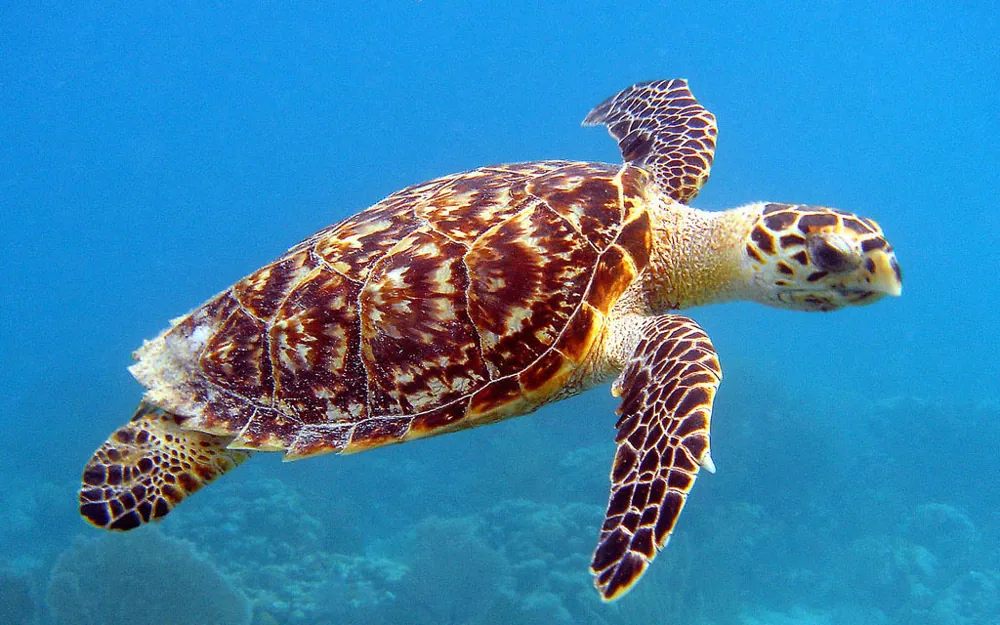
The hawksbill sea turtle is a sea turtle with a sharp, hooked beak and a shell with a saw-edged rear. It lives mainly in warm tropical reefs in the Atlantic, Indian and Pacific Oceans. It is critically endangered, and its flesh can become toxic to eat.1
 How to recognise it
- Sharp, curving, hooked beak-like mouth1
- Shell edge at the rear looks serrated, like a saw or steak knife1
- Shell has an amber background with light and dark streaks, and black or mottled-brown colours at the sides1
- Two visible claws on each front flipper1
- Shell colour changes slightly with water temperature1
Poison power
It is only harmful if something eats it.
How dangerous is it to people?
Danger to people: Very dangerousIt can kill a person who gets no treatment.The main risk to people is from eating its flesh, which can become toxic after the turtle eats venomous cnidarians (jellyfish-like animals).1
What does it do when it is scared?
It uses its strong shell to squeeze into tight spaces in reefs, and it may seek places where it can camouflage or hide from predators.1
If someone ate it
Always call your emergency number first (for example 112 in Europe, 911 in North America, 000 in Australia).
- If someone feels ill after eating sea turtle meat, call the emergency number and get to hospital at once. There is no antidote, so the person needs hospital care for the symptoms.1
- If someone ate it or has symptoms after eating it: call your emergency number or poison centre straight away.
This is general first aid guidance, not medical advice. Based on the first aid guidelines of the World Health Organization and the Australian Resuscitation Council. Facts come from public sources and may contain mistakes. When in doubt, always get medical help. First aid basics
 Stay safe
- Never touch, catch or tease a wild animal, even a small one, and even if it looks asleep or dead.
- Give it space. If you meet one, stay calm, step back slowly and let it go its own way.
- If someone ate it: call your emergency number or poison centre straight away.
It is not out to get you. Its poison is only there so that nothing eats it. More about staying safe
Where in the world?
How big is it?
How long is it?
How heavy is it?

 as long as 2 house cats nose to tail
 as long as 6 bananas end to end
 could swim the length of a big swimming pool (50 m) in 7.5 seconds
How big is Hawksbill sea turtle compared to you?
Just maths in your browser. Nothing is saved or sent anywhere.
How fast is it?

Facts
It is biofluorescent and is the first reptile recorded with this trait, meaning it glows under certain light.1
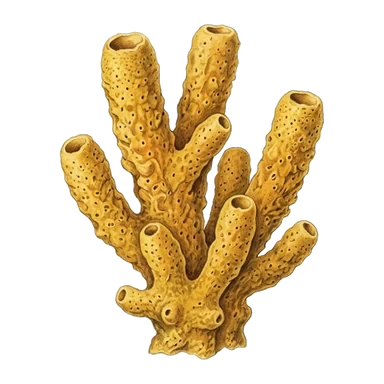
Some sponges it eats are highly toxic to other animals, and it can eat them without harm.1
It closes its unprotected eyes when feeding on stinging animals, and the Portuguese man o' war's stinging cells cannot pierce its armoured head.1
Sponges make up most of its food, which makes it the only primarily sponge-eating reptile among sea turtles.1
Its shell was the main source of tortoiseshell used for decorative items.1
In the eastern Pacific, it nests and feeds mainly in mangrove estuaries rather than on reefs.1
For venom experts
- Scientific name
- Eretmochelys imbricata
- Group
- Other poisonous animals
- Also called
- Hawksbill Turtle, Hawksbill, Pacific Hawksbill Sea Turtle1
- Family
- Cheloniidae2
- Order
- Testudines
- Continents
- Pacific Ocean, Atlantic Ocean, Indian Ocean, Red Sea, Caribbean Sea, Coral Sea, South China Sea, Philippine Sea, Gulf of Mexico, Andaman Sea, Arabian Sea & Persian Gulf, Timor & Arafura Sea, Bay of Bengal, Gulf of California, The oceans
- Babies
- Hawksbills nest on beaches, and young hatch from the nests. In 2018, around 120 juveniles recently hatched at Pulau Satumu, Singapore.1
- How it is doing in the wild
- Critically Endangered (IUCN Red List)1
- Danger to people
- 4 / 5: Very dangerous3
Where the facts come from
- Hawksbill sea turtle (Wikipedia (CC BY-SA 4.0))
- Eretmochelys imbricata (iNaturalist): names and classification.
- Venom Wiki: the danger level, the typical size and the speed guess are our own. See how we work them out: How we rate danger.
Every fact on this page has a number that points to its source. If we got something wrong, sorry, we are animal fans, not a science journal. Tell us at [email protected] and we will fix it.
Get the Venom Wiki app
Every creature, every picture and the games in your pocket, even without internet.


 Support Venom Wiki Venom Wiki is a one-man project: free, with no ads and no cookies. A small tip helps keep it online.Feed the scorpion
More from the same group: Other poisonous animals
 Japanese pufferfishOther poisonous animalsDeadly
 Greenland sharkOther poisonous animalsPainful
 Silver-cheeked toadfishOther poisonous animalsDeadly
 Blackspotted pufferOther poisonous animalsCan kill
 White-spotted pufferOther poisonous animalsCan kill
 Long-spine porcupinefishOther poisonous animalsNeeds a doctor
Also lives in: Pacific Ocean
 Australian box jellyfishJellyfish & sea stingersDeadlyDo not touch
 Geography coneCone snails & octopusesDeadly
 Greater blue-ringed octopusCone snails & octopusesDeadly
 Southern blue-ringed octopusCone snails & octopusesDeadly
 Irukandji jellyfishJellyfish & sea stingersCan killDo not touch
 Reef stonefishVenomous fishCan killDo not touch