
 Bitten or stung?
 All animals
 Pick a continent
 Africa
 Asia
 Europe
 South America
 Australia & Oceania
 Antarctica
 Pacific Ocean
 Atlantic Ocean
 Indian Ocean
 Arctic Ocean
 Mediterranean Sea
 Red Sea
 Caribbean Sea
 Coral Sea
 South China Sea
 Philippine Sea
 Andaman Sea
 North Sea
 Timor & Arafura Sea
 Bay of Bengal
 Gulf of California
 Games
 Venom battle
 Animal race
 Field notebook
 Venom TOP lists
 Stay safe
 Surprise me

Persian horned viper
 Bites
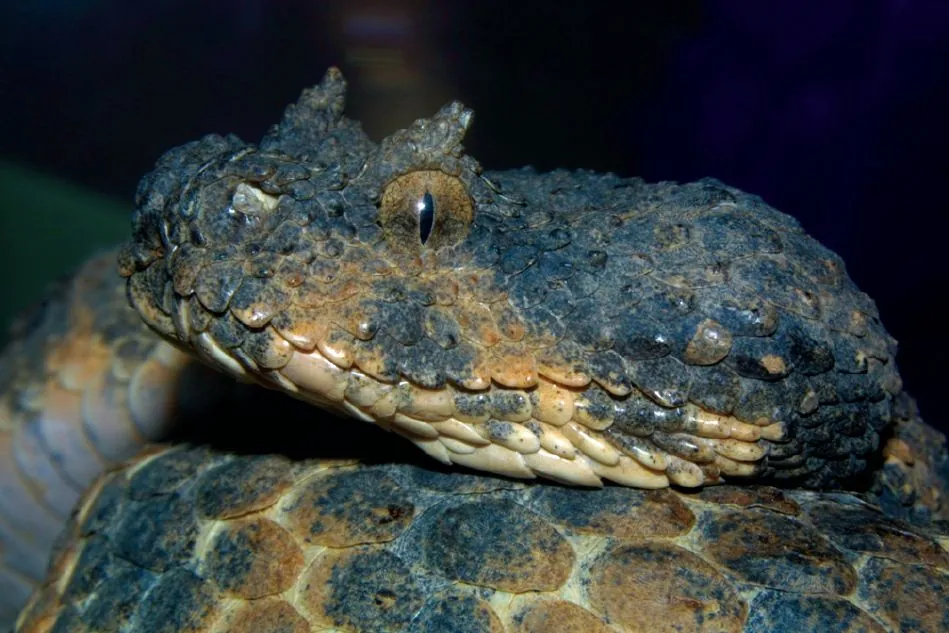
The Persian horned viper is a venomous viper with horn-like scales above each eye. It lives in deserts and hill country in the Middle East and parts of Asia, and it is mostly active at night. Its venom causes strong bleeding, and bites are treated with polyvalent antivenom.1
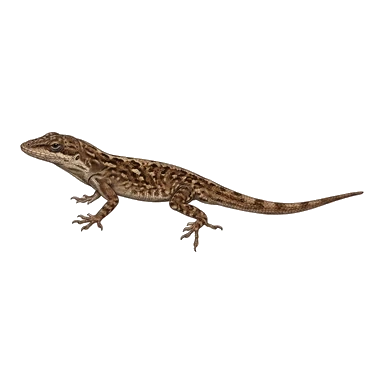
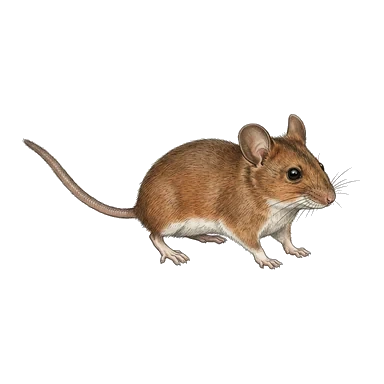
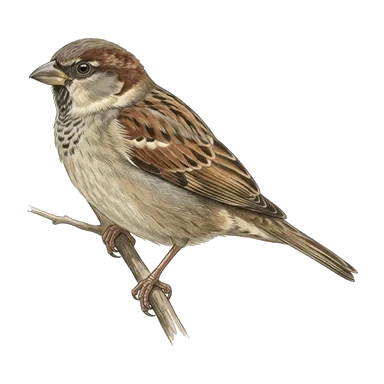
 How to recognise it
- A broad, flat head that is clearly distinct from the neck1
- A horn-like structure of small scales above each eye, also present in juveniles1
- A short tail1
- Body scales with keels that often end in a bump or a point1
- Slow-moving and almost entirely nocturnal, so usually seen at night or in the early evening during colder periods1
Venom power
Venom comes out through its fangs or teeth when it bites.
What does its venom do?
Its venom has strong haemorrhagic activity, which means it causes bleeding by damaging blood vessels, as is typical of most vipers. Polyvalent antivenoms, such as the one made by the Razi Institute in Iran, are used to treat its bites.1
How dangerous is it to people?
Danger to people: SeriousA bite needs a doctor. Deaths are very rare. Good news: doctors have a medicine (antivenom) or a treatment for this.1
What does it do when it is scared?
It is not particularly aggressive, but it will hiss loudly when disturbed.1
 If it bites
Always call your emergency number first (for example 112 in Europe, 911 in North America, 000 in Australia).
- Call the emergency number and get to a hospital quickly, as antivenom may be needed. Keep the person calm and still, with the bitten limb at heart level or lower. Take off rings, watches and tight clothing near the bite. Do not cut, suck, use a tourniquet or put ice on the bite.1
- Keep the person still and calm, keep the bitten limb at heart level, remove rings and tight things, and get to a hospital fast.
This is general first aid guidance, not medical advice. Based on the first aid guidelines of the World Health Organization and the Australian Resuscitation Council. Facts come from public sources and may contain mistakes. When in doubt, always get medical help. First aid basics
 Stay safe
- Never touch, catch or tease a wild animal, even a small one, and even if it looks asleep or dead.
- Give it space. If you meet one, stay calm, step back slowly and let it go its own way.
- If one bites you: stay calm, keep still, call your emergency number (for example 112 in Europe, 911 in North America, 000 in Australia) or get to a hospital fast. Remember what it looked like, a photo helps.
It is not out to get you. It uses its venom to catch food or to protect itself, and it would much rather hide. More about staying safe
Where in the world?
How big is it?
How long is it?
 as long as 2 house cats nose to tail
 as long as 6 bananas end to end
 could cover 100 metres in 110 seconds (the fastest human needs 9.6)
How big is Persian horned viper compared to you?
Just maths in your browser. Nothing is saved or sent anywhere.
How fast is it?


Facts
Unlike the sand-dwelling Cerastes vipers, it cannot sink into sand vertically.1
It moves by sidewinding, serpentine and rectilinear movement, depending on the situation.1
It can attain a considerable weight for its size, with some specimens exceeding 500 g.1
Its horn-like scales are present even in young snakes.1
Females are usually larger than males.1
For venom experts
- Scientific name
- Pseudocerastes persicus
- Group
- Vipers & adders
- Also called
- false horned viper, Persian horned desert viper, eye-horned viper1
- Family
- Viperidae2
- Order
- Squamata
- Continents
- Asia
- Babies
- It lays eggs, with 11 to 21 eggs per clutch, and each egg already contains a well-developed embryo.1
- Danger to people
- 3 / 5: Serious3
Where the facts come from
- Persian horned viper (Wikipedia (CC BY-SA 4.0))
- Pseudocerastes persicus (iNaturalist): names and classification.
- Venom Wiki: the danger level, the typical size and the speed guess are our own. See how we work them out: How we rate danger.
Every fact on this page has a number that points to its source. If we got something wrong, sorry, we are animal fans, not a science journal. Tell us at [email protected] and we will fix it.
Get the Venom Wiki app
Every creature, every picture and the games in your pocket, even without internet.


 Support Venom Wiki Venom Wiki is a one-man project: free, with no ads and no cookies. A small tip helps keep it online.Feed the scorpion
 Indian saw-scaled viper
 Puff adder
 Russell's viper
 Common European adder
 Eastern Russell's viper
 Northeast African carpet viper
 Indian cobra
 King cobra
 Asian giant hornet
 Komodo dragon
 Redback spider
 Spanish fly
