
 Bitten or stung?
 All animals
 Pick a continent
 Africa
 Asia
 Europe
 South America
 Australia & Oceania
 Antarctica
 Pacific Ocean
 Atlantic Ocean
 Indian Ocean
 Arctic Ocean
 Mediterranean Sea
 Red Sea
 Caribbean Sea
 Coral Sea
 South China Sea
 Philippine Sea
 Andaman Sea
 North Sea
 Timor & Arafura Sea
 Bay of Bengal
 Gulf of California
 Games
 Venom battle
 Animal race
 Field notebook
 Venom TOP lists
 Stay safe
 Surprise me

Southern giant hornet
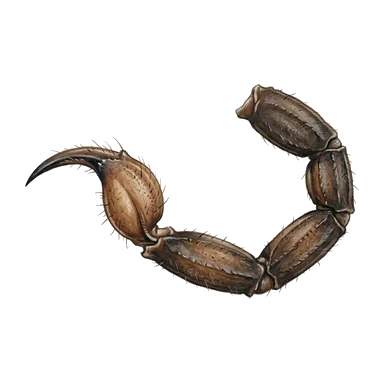 Stings
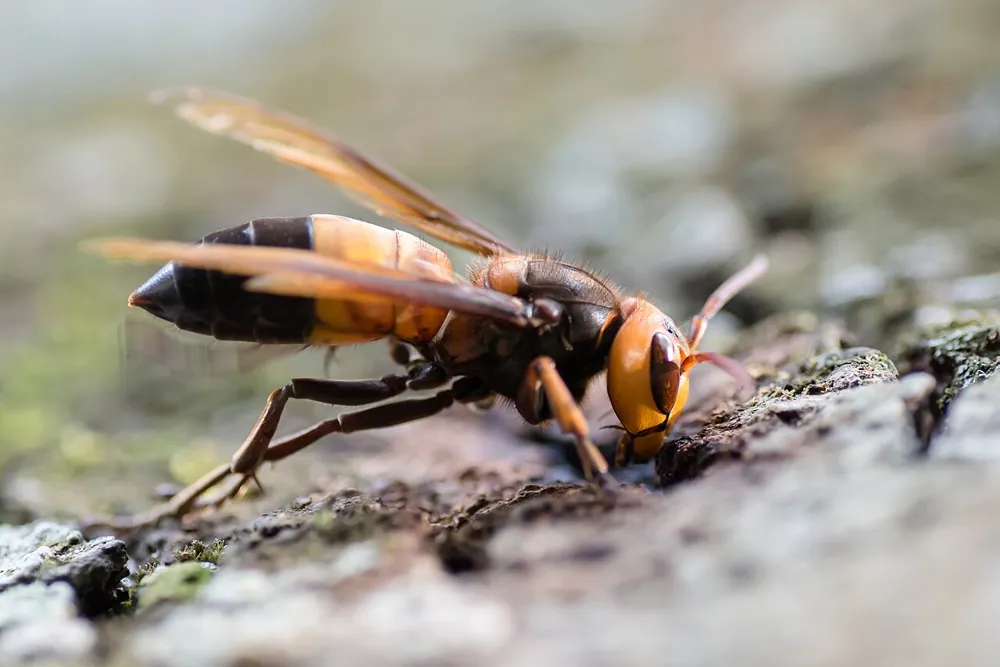
The southern giant hornet is one of the largest hornets in the world. It lives in parts of South and East Asia, where it hunts insects and small animals. It is known for raiding honeybee colonies.1
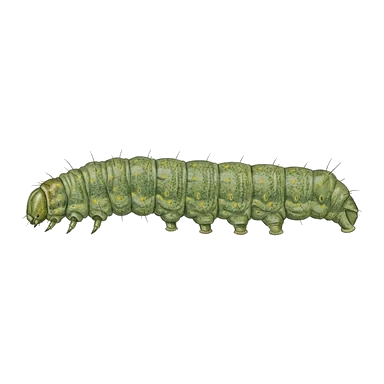
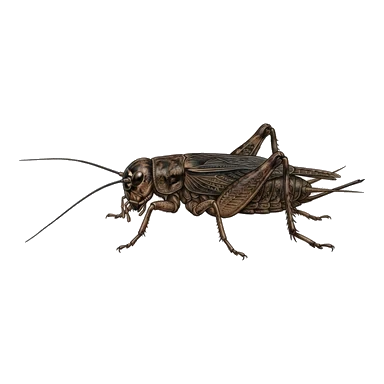
 How to recognise it
Venom power
Venom comes out through a stinger.
How dangerous is it to people?
Danger to people: SeriousA sting needs a doctor. Deaths are very rare. If it stings
Always call your emergency number first (for example 112 in Europe, 911 in North America, 000 in Australia).
- Walk away from the nest quickly and calmly. Wash the stings and use a cold pack to ease pain and swelling. Call the emergency number at once if there are many stings, or if the person has trouble breathing, a swollen face or throat, or feels faint. Use an adrenaline auto injector if the person has one.1
- Scrape out a bee sting and cool the spot.
- If the person has trouble breathing, swelling of the face or throat, or feels faint, it is an allergic emergency: call your emergency number and use their adrenaline pen if they have one.
This is general first aid guidance, not medical advice. Based on the first aid guidelines of the World Health Organization and the Australian Resuscitation Council. Facts come from public sources and may contain mistakes. When in doubt, always get medical help. First aid basics
 Stay safe
- Never touch, catch or tease a wild animal, even a small one, and even if it looks asleep or dead.
- Give it space. If you meet one, stay calm, step back slowly and let it go its own way.
- If one stings you: stay calm, keep still, call your emergency number (for example 112 in Europe, 911 in North America, 000 in Australia) or get to a hospital fast. Remember what it looked like, a photo helps.
It is not out to get you. It uses its venom to catch food or to protect itself, and it would much rather hide. More about staying safe
Where in the world?
How big is it?
How long is it?
 shorter than your little finger
 could fly across a whole football pitch in 9.7 seconds
How big is Southern giant hornet compared to you?
Just maths in your browser. Nothing is saved or sent anywhere.
How fast is it?


Facts
When hornets raid a honeybee colony, they kill the adult guards and carry away the bodies and the young, which can destroy the whole colony.1
Some honeybees in Vietnam and other countries in Asia smear animal droppings around their hive entrances. Hornets spent less than half the time at entrances once they had spotted these, and 94% less time chewing their way in.1
Hornets rub their abdomens on the hive and nearby plants while they attack. This may be a signal that calls other hornets to join in.1
A single queen was found at Vancouver Harbor, Canada, in May 2019. It is believed to have arrived with shipping and not to be part of a wider population in North America.1
In 2022 and 2023, researchers found four workers in northern Spain. This made Spain the second place outside its range where the hornet has been found.1
Where the facts come from
- Vespa soror (Wikipedia (CC BY-SA 4.0))
- Vespa soror (iNaturalist): names and classification.
- Venom Wiki: the danger level, the typical size and the speed guess are our own. See how we work them out: How we rate danger.
Every fact on this page has a number that points to its source. If we got something wrong, sorry, we are animal fans, not a science journal. Tell us at [email protected] and we will fix it.
Get the Venom Wiki app
Every creature, every picture and the games in your pocket, even without internet.


 Support Venom Wiki Venom Wiki is a one-man project: free, with no ads and no cookies. A small tip helps keep it online.Feed the scorpion
 Asian giant hornet
 Common wasp
 European hornet
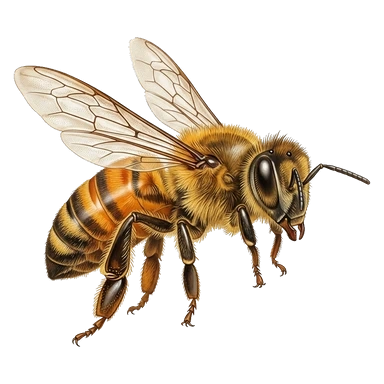 Western honey bee
 Giant honey bee
 Asian hornet
 Indian cobra
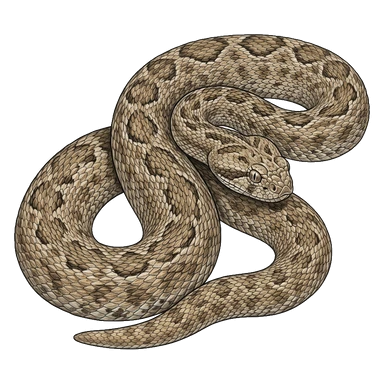 Indian saw-scaled viper
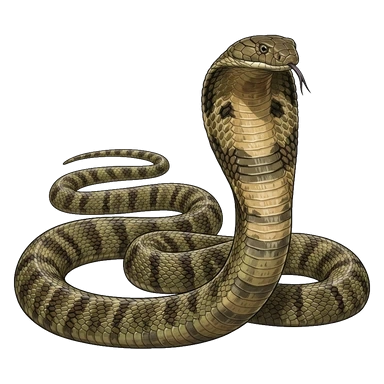 King cobra
 Puff adder
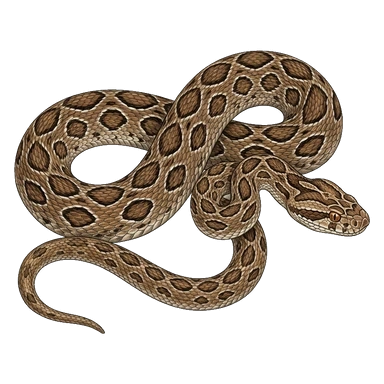 Russell's viper
 Komodo dragon
