
 Bitten or stung?
 All animals
 Pick a continent
 Africa
 Asia
 Europe
 South America
 Australia & Oceania
 Antarctica
 Pacific Ocean
 Atlantic Ocean
 Indian Ocean
 Arctic Ocean
 Mediterranean Sea
 Red Sea
 Caribbean Sea
 Coral Sea
 South China Sea
 Philippine Sea
 Andaman Sea
 North Sea
 Timor & Arafura Sea
 Bay of Bengal
 Gulf of California
 Games
 Venom battle
 Animal race
 Field notebook
 Venom TOP lists
 Stay safe
 Surprise me

Spiny dogfish
 Venomous spines
The spiny dogfish is a small, well-known shark with a sharp spine in front of each of its two back fins. It lives in shallow and offshore waters in most parts of the world, especially cooler seas, and it is hunted heavily for food. Its spines are its main form of defence.1
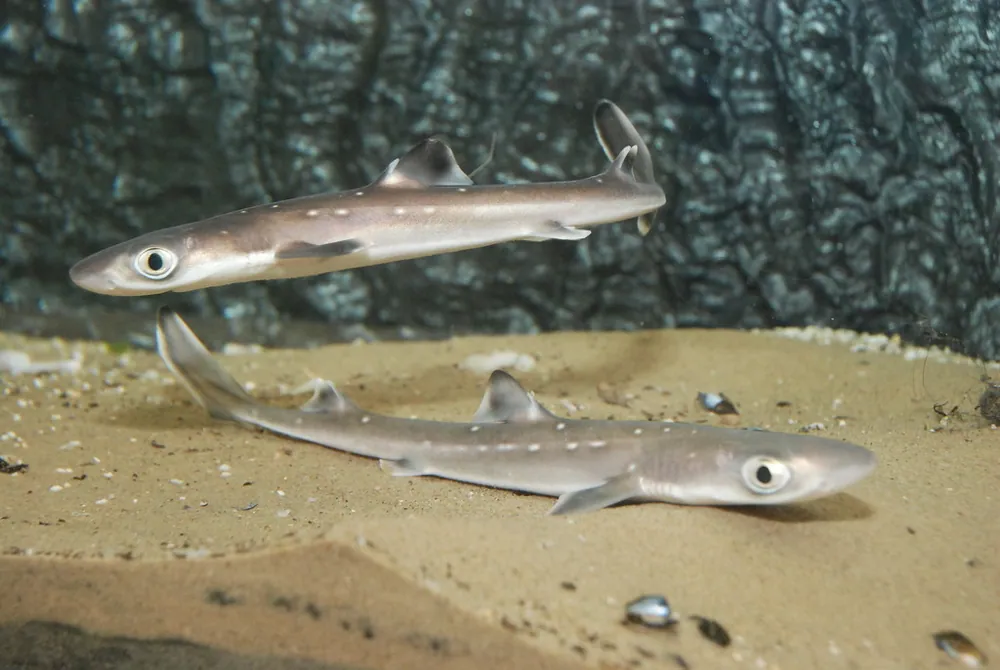
 How to recognise it
- Two spines, one in front of each dorsal (back) fin.1
- No anal fin on the underside.1
- White spots along its back.1
- Greyish brown on both sexes, with countershading (darker on top, paler underneath).1
- Asymmetrical tail lobes, forming a heterocercal tail (the upper lobe is larger).1
Often confused with: Several shark species share the names dogfish, spurdog and piked dogfish. Spiny dogfish are told apart by having two spines, one in front of each dorsal fin, and no anal fin.1
Venom power
Sharp spines carry the venom. Stepping on it or grabbing it hurts.
What does its venom do?
Its dorsal spines secrete a mild venom. The spines are driven into an attacker when the shark arches its back.1
How dangerous is it to people?
Danger to people: PainfulIt can really hurt, but it is almost never serious.What does it do when it is scared?
If it is caught, it arches its back to pierce its captor with the spines near its dorsal fins.1
 If its spines stab you
Call your emergency number at once if the person has trouble breathing, swelling of the face or throat, or feels faint.
- Put the wounded part in hot water, as hot as is comfortable (about 45 °C, test it with an unhurt hand), for 30 to 90 minutes to ease the pain. Clean the wound well. See a doctor if pain is strong, a piece of spine may be left in the wound, or it gets red and swollen later.1
- Put the wound in hot water, about 45 °C: as hot as the helper can comfortably hold their own hand in, never hotter, for 30 to 90 minutes. Get medical help, especially for stonefish and stingrays.
This is general first aid guidance, not medical advice. Based on the first aid guidelines of the World Health Organization and the Australian Resuscitation Council. Facts come from public sources and may contain mistakes. When in doubt, always get medical help. First aid basics
 Stay safe
- Never touch, catch or tease a wild animal, even a small one, and even if it looks asleep or dead.
- Give it space. If you meet one, stay calm, step back slowly and let it go its own way.
- If it hurts you: wash the spot, stay calm and get medical help if the pain is strong or spreads, or the person feels unwell.
It is not out to get you. It uses its venom to catch food or to protect itself, and it would much rather hide. More about staying safe
Where in the world?
How big is it?
How long is it?
 as long as 1.5 house cats nose to tail
 as long as 5 bananas end to end
 could swim the length of a big swimming pool (50 m) in 9 seconds
How big is Spiny dogfish compared to you?
Just maths in your browser. Nothing is saved or sent anywhere.
How fast is it?

Facts
Dogfish sharks have one of the longest pregnancies of any organism, lasting around 18 to 24 months.1
Spiny dogfish hunt in packs that can range up into the thousands.1
In England, dogfish are sold in fish and chip shops as 'huss', and used to be sold as 'rock salmon' until that term was outlawed.1
Spiny dogfish are popular dissection specimens in high schools and universities because they are easy to get and have small, cartilaginous skulls.1
Squalus acanthias fossils from the Miocene of Denmark and the Netherlands date from about 11 million years ago.1
Males are identified by a pair of modified pelvic fins called claspers, which they use to transfer sperm to the female.1
Myth buster
Myth: All animals called dogfish or spurdog are the same species.
Truth: These common names can apply to several species. Spiny dogfish are identified by their two spines, one in front of each dorsal fin, and by having no anal fin.1
For venom experts
- Scientific name
- Squalus acanthias
- Group
- Venomous fish
- Also called
- Spurdog, Mud shark, Piked dogfish1
- Family
- Squalidae2
- Order
- Squaliformes
- Continents
- Atlantic Ocean, Pacific Ocean, Indian Ocean, Mediterranean Sea, Arctic Ocean, North Sea, The oceans
- Babies
- The eggs develop inside the mother and the pups are born alive, with about 5 to 6 in each litter; gestation can last from around 18 to 24 months, one of the longest of any organism.1
- How it is doing in the wild
- Vulnerable globally; Critically endangered in the Northeast Atlantic1
- Danger to people
- 2 / 5: Painful3
Where the facts come from
- Spiny dogfish (Wikipedia (CC BY-SA 4.0))
- Squalus acanthias (iNaturalist): names and classification.
- Venom Wiki: the danger level, the typical size and the speed guess are our own. See how we work them out: How we rate danger.
Every fact on this page has a number that points to its source. If we got something wrong, sorry, we are animal fans, not a science journal. Tell us at [email protected] and we will fix it.
Get the Venom Wiki app
Every creature, every picture and the games in your pocket, even without internet.


 Support Venom Wiki Venom Wiki is a one-man project: free, with no ads and no cookies. A small tip helps keep it online.Feed the scorpion
More from the same group: Venomous fish
 Reef stonefish
 Red lionfish
 Estuarine stonefish
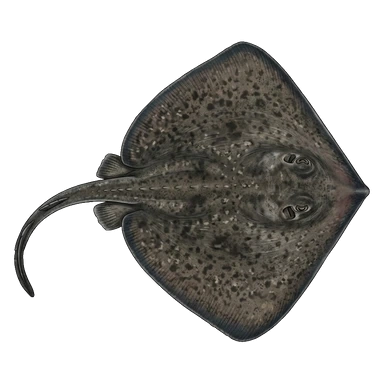 Short-tail stingray
 Bluespotted ribbontail ray
 Common stingray
Also lives in: Atlantic Ocean
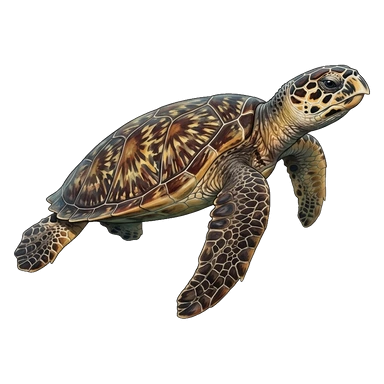 Hawksbill sea turtleOther poisonous animalsCan kill
 Portuguese man o' warJellyfish & sea stingersNeeds a doctorDo not touch
 Blue sea dragonCone snails & octopusesPainful
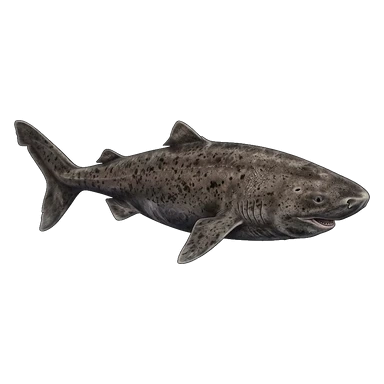 Greenland sharkOther poisonous animalsPainful
 Lion's mane jellyfishJellyfish & sea stingersPainfulDo not touch
 Common octopusCone snails & octopusesMild